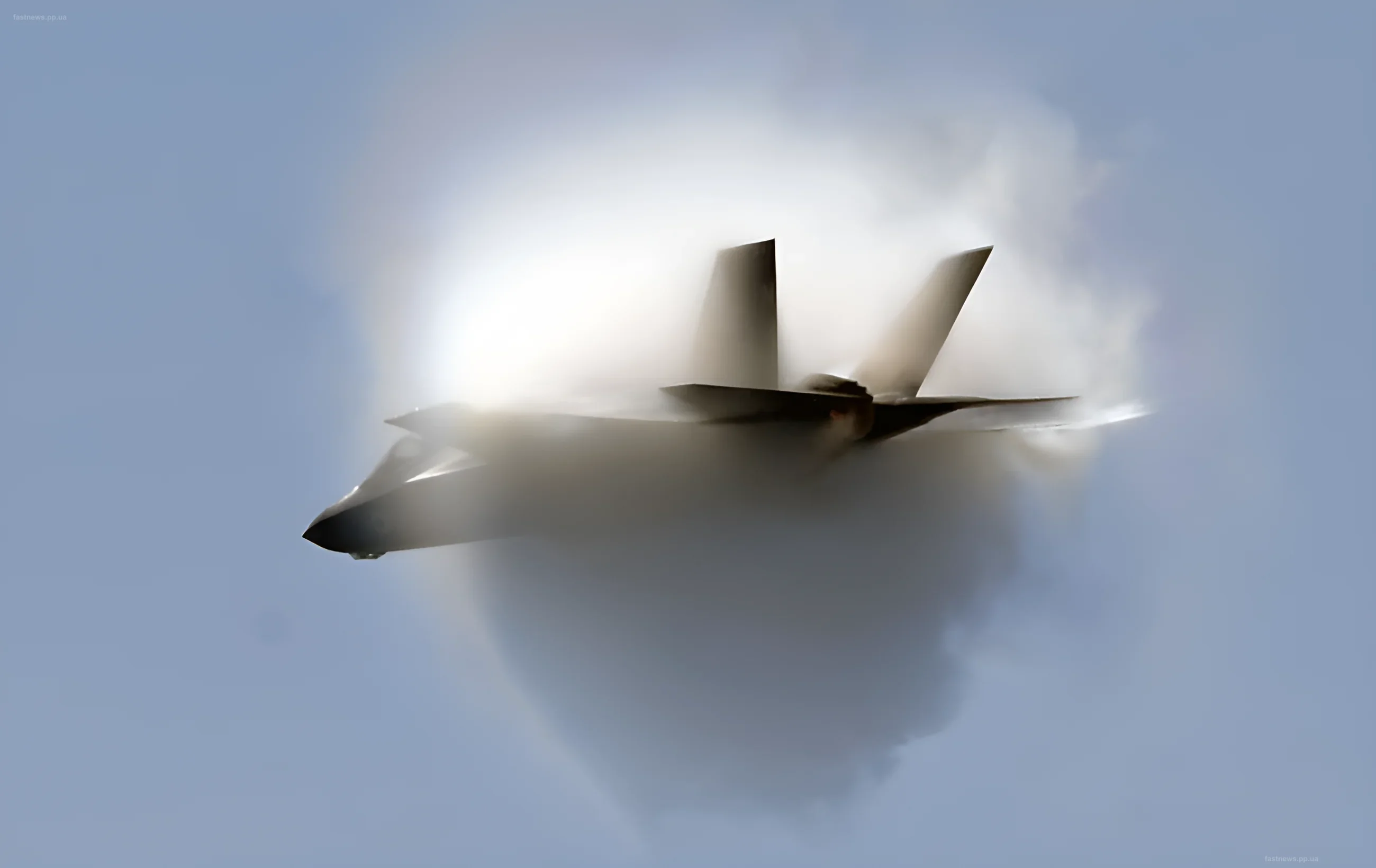
In a geopolitical landscape where the lines between alliance and confrontation are blurring, a new scandal is unfolding. US intelligence agencies and investigators are seriously considering the theory that Iran received not only its own military support but also technology from China to shoot down the American fighter jet F-15E Strike Eagle. The incident, which occurred in April, marked the first loss of a US combat aircraft in battle in decades, and now the focus is shifting to Beijing.
Chinese Weapons Against American Aviation
According to sources from NBC News, shared by RBC-Ukraine, the fighter jet was not shot down by chance. There is a high probability that a Chinese portable air defense system (MANPADS) missile was used against it. This weapon, weighing only about 18 kilograms, proved to be a deadly "killer" for the powerful F-15 flying at low altitude. However, the issue goes beyond just missiles.
American experts fear that Beijing may have also supplied Tehran with more sophisticated equipment—long-range early warning radar stations. Such systems are capable of "seeing" even aircraft with stealth technology elements, making American aviation vulnerable in Iranian airspace.
Diplomatic Deadlock and Oil Interests
This news introduces a serious note of dissonance into current diplomatic maneuvers. US President Donald Trump, striving to resolve the conflict, had counted on China's support. However, Beijing, being the largest buyer of Iranian oil, maintains a dual position. On one hand, Chinese leadership calls for peace; on the other, it continues to support economic ties with Tehran.
US Secretary of State Marco Rubio attempted to ease tensions in an interview, stating that Washington does not seek help from Beijing and is not dependent on their stance. Nevertheless, the very fact of potential arms supplies puts trust between the two superpowers at risk.
Trump's Promises and Reality
In response to media inquiries, the White House referred to recent statements by Donald Trump. The American leader claimed to have personally received assurances from Chinese President Xi Jinping that China would not supply weapons to Iran. "I trust his word," Trump emphasized. However, the investigation into the circumstances surrounding the shooting down of the F-15E, where both crew members miraculously survived, casts doubt on these assurances.
While the Pentagon searches for the missing crew member in the Zagros Mountains and diplomats strive to maintain a fragile ceasefire, the shadow of Chinese intervention over Iran becomes increasingly distinct. It remains to be seen whether technical expertise will confirm the theory regarding the origin of the missile that shot down the American aircraft.


