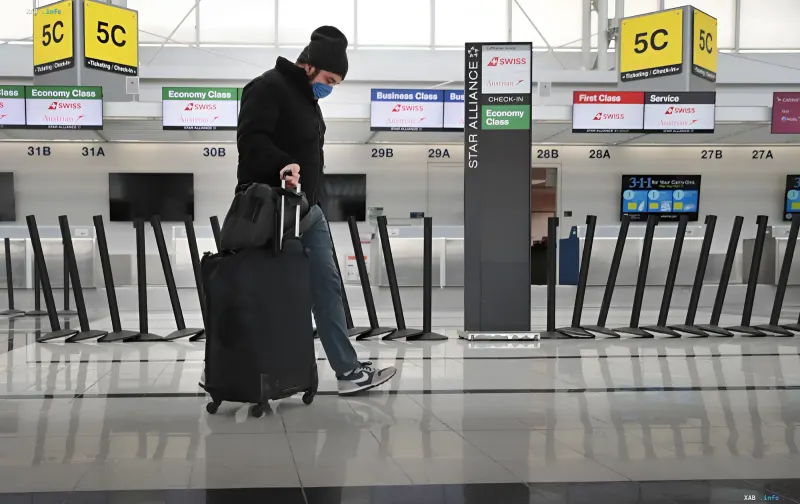
American aviation is operating in emergency recovery mode for the third consecutive day. Following the nationwide flight suspension announced by the Federal Aviation Administration (FAA) on November 13, airports across the country continue to cancel and delay thousands of flights. According to FlightAware, on November 15 alone, the disruption affected over 10,000 flights: more than 2,300 departures were cancelled, and another 7,700 were delayed. Additionally, airlines proactively cancelled more than 6,400 flights and delayed over 8,000 ahead of the day to ease the burden on the overburdened system.
Who Was Hit Hardest
The disruption impacted carriers unevenly. The heaviest losses were suffered by JetBlue, which cancelled 28% of its flights, and American Airlines, where the cancellation rate reached 17%. These figures show that the consequences of the technical incident are distributed unevenly and depend on route networks and the share of flights passing through affected air traffic control centers.
How the Disruption Occurred
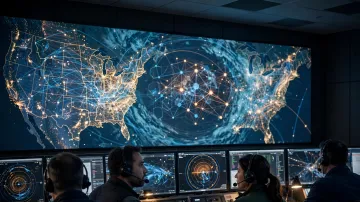
According to US Transportation Secretary Sean Duffy, the issue began with a router replacement at an FAA facility in El Dorado, Arkansas. This triggered a failure in a recently installed router in Amarillo, Texas, which began overloading data across air traffic control centers nationwide. In response, the FAA shut down these routers, as well as about 60 similar devices. The November 13 ground stop lasted nearly five hours, making it the longest in the history of American commercial aviation since the September 11, 2001 terrorist attacks.
Cause and the Cyberattack Question
The true cause of the glitch, according to the agency, has not yet been established. Secretary Duffy stated that he sees no signs of a cyberattack. At the same time, he noted that the malfunctioning routers were purchased back in 2001 and were already obsolete by 2006, pointing to systematic wear and tear in the air traffic management infrastructure.
$50 Billion and the Congressional Dispute
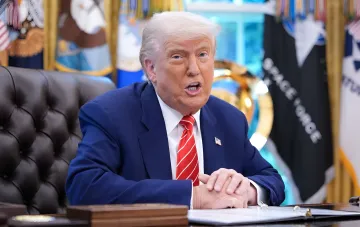
Following the incident, Duffy asked Congress for $50 billion to modernize the air traffic control system. President Donald Trump supported the request and urged lawmakers to approve the funding. Democrats remained skeptical: according to their data, out of the $12.5 billion allocated for modernization in 2025, about $11 billion remains unspent. Duffy countered that these funds were earmarked only for specific expense categories and did not cover the acquisition of new software.
When Normal Operations Will Return
According to the Transportation Secretary's forecast, US air traffic will fully resume on November 16. Until then, passengers are advised to check flight statuses with their airlines, as delays and cancellations persist amid the gradual recovery of air traffic control center operations.