The United States is facing an unprecedented challenge: natural disasters that previously occurred separately are increasingly overlapping. Hurricanes, floods, tornadoes, wildfires, and extreme heat are beginning to coincide in time, creating a "perfect storm" effect for the country's civil protection system.
Experts warn that climate change is making extreme weather events not only more frequent but also more intense. The likelihood that federal and local services will have to respond simultaneously to multiple large-scale disasters in different regions is growing rapidly. This places colossal pressure on resources that are already under strain.
The Factor of Cuts: How Politics Affects Safety
The situation is exacerbated not only by nature but also by management decisions. According to Bloomberg, the policy of President Donald Trump's administration, aimed at reducing funding for federal agencies, is directly affecting the country's ability to cope with emergencies.
Key structures responsible for weather monitoring and the coordination of rescue operations have come under fire:
- National Oceanic and Atmospheric Administration (NOAA);
- National Weather Service (NWS);
- Federal Emergency Management Agency (FEMA).
Specialists note that staff shortages have forced individual meteorological offices to operate with significant limitations. This directly threatens the quality of forecasts and the speed of alerting the population to dangerous phenomena. In conditions where every minute counts, a delay in information transmission can cost lives.
Consequences for Disaster Relief
The reduction of FEMA resources creates serious problems for coordinating disaster relief efforts. When disasters occur simultaneously, a shortage of personnel and equipment becomes a critical factor. The response system risks being unable to withstand the load if several states simultaneously request federal assistance.
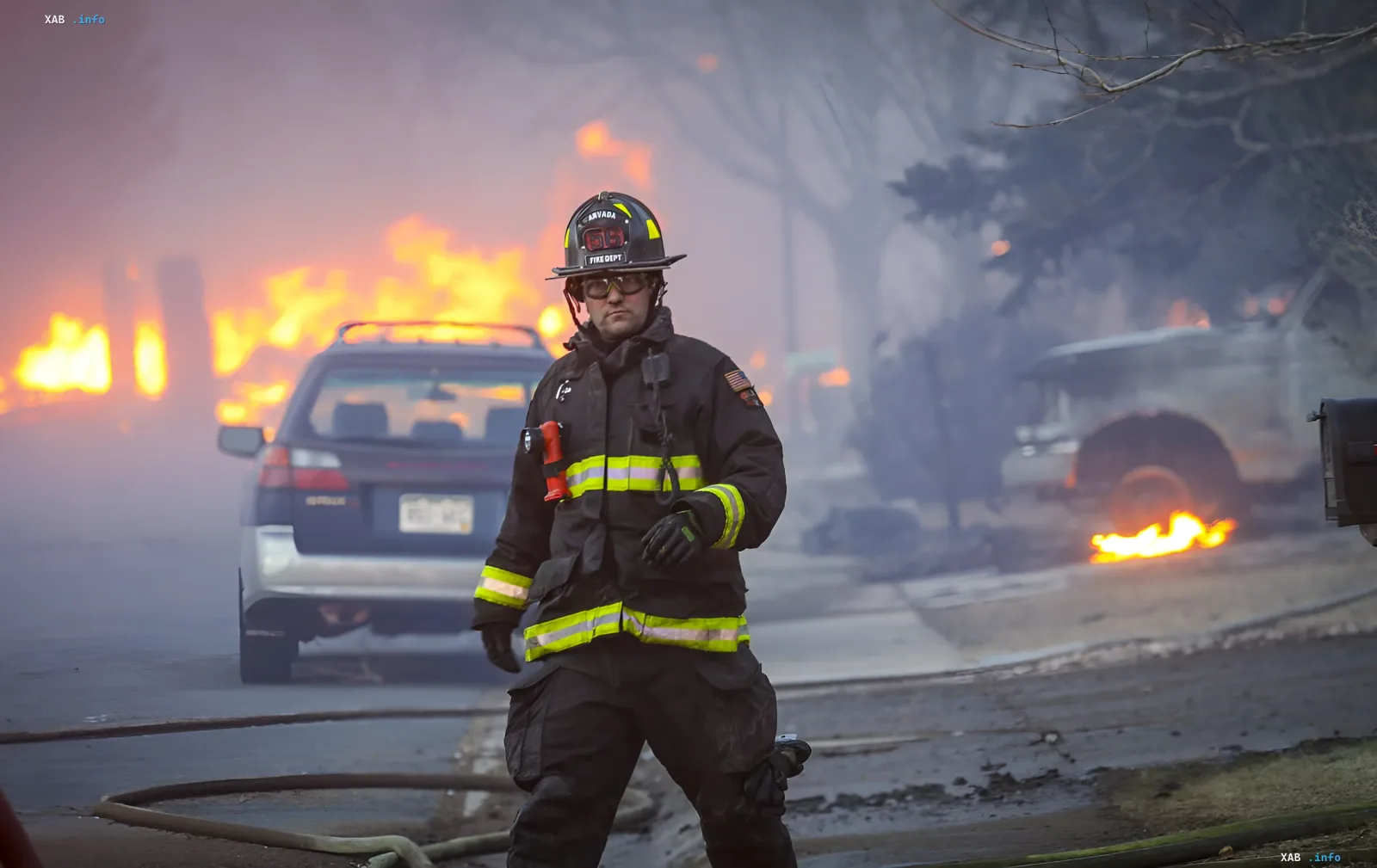
A reminder of the scale of threats comes from the recent past. Last year, wildfires in California destroyed thousands of homes, and dozens of people became victims. In addition, storms and tornadoes, reported by RBC-Ukraine, led to massive destruction in several states.
Today, against the backdrop of climate instability and budget constraints, the risk of repeating and multiplying such scenarios is becoming a reality. The USA is forced to find a balance between saving budget funds and the need to maintain an effective system for protecting the population from natural disasters.