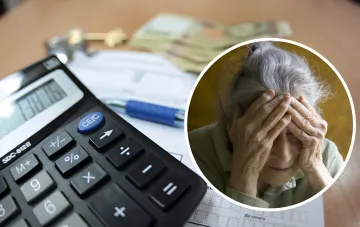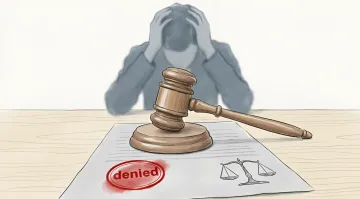
Amidst the ongoing war, the question of paying utility bills for housing located in temporarily occupied territories remains one of the most pressing issues for millions of Ukrainians. Many citizens fear that after the liberation of cities, they will face huge bills for services they physically could not consume. However, legal practice and expert clarifications show that the situation is not as clear-cut as it may seem at first glance.
There is no automatic debt write-off
The main myth that needs to be dispelled: Ukrainian legislation does not provide for the automatic exemption of citizens from paying utility bills for the period of occupation. As noted by lawyer and head of the law firm "Prima Leader Group" Dina Drizhakova in a comment to RBC-Ukraine, the state does not take on the obligation to pay off these debts by default. This means that bills for services that continued to be supplied or accounted for may reach property owners even years after the territory is liberated.
The criterion of actual service provision
The key factor determining the legality of billing is the physical ability of the supplier to perform their work. If, due to the actions of the occupation authorities or hostilities, the service provider could not carry out their activities — for example, removing garbage, supplying water, or providing centralized heating — consumers have the full right to demand a recalculation. Lawyers emphasize: service companies cannot charge money for services that were not provided at all or were provided incompletely.
What you will have to pay even under occupation
At the same time, it will not be possible to refuse some types of charges. Depending on specific circumstances, residents may continue to be charged for the management of multi-apartment buildings or the maintenance of common property. Such payments are considered legal if the management company continued to fulfill its obligations in that territory. For example, if the management company continued to service engineering systems or carry out repair work, even under occupation conditions, these expenses may be recovered from the owners.
How to arrange a recalculation and avoid overpayment
If a homeowner continues to receive bills for the period when the settlement was under occupation, they must act proactively. Lawyers recommend contacting the service provider with a written application for a recalculation. It is mandatory to attach documents confirming the fact of occupation and the inability to use the services. This could be a certificate from local authorities, data on the date of liberation of the settlement, or other official confirmations.
Contradictory data
At present, there are discrepancies in the interpretation of legislative norms regarding the deadlines for submitting applications for recalculation. Some experts believe that an application can be submitted at any time after the territory is liberated, while others point to the need to comply with certain terms established by contracts with service providers. Furthermore, questions regarding the liability of management companies for the preservation of property during the occupation period remain unclear.