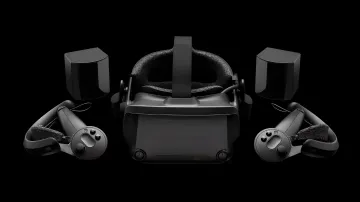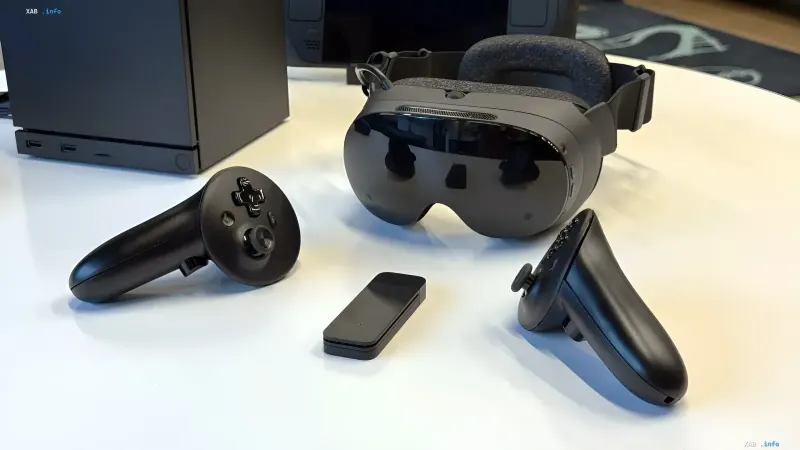
Valve has taken a surprising and bold step toward its community by publishing official hardware documentation and CAD models for the new Steam Frame VR headset. This release includes detailed USB hub schematics, expansion port specifications, and housing and headband blueprints created in popular Altium and KiCad formats. Such an approach transforms the gadget from a closed consumer ecosystem into an open platform for engineering creativity.
Hardware Foundation and Technical Specifications
The device is powered by a robust Snapdragon 8 Gen 3 mobile platform, complemented by 16 gigabytes of LPDDR5X RAM and a fast storage drive ranging from 256 gigabytes to 1 terabyte. The headset is equipped with two displays, each featuring a resolution of 2160 by 2160 pixels, ensuring high image clarity. The primary usage scenario for the Steam Frame is wireless or wired game streaming from a personal computer, but thanks to software compatibility, users will also be able to run native Android applications.
The publication of the blueprints has already sparked a massive response within the community. Enthusiasts have begun actively developing and testing custom add-ons, while third-party manufacturers are announcing their own hardware solutions. For instance, Arcturus Vision introduced a project for a specialized color pass-through camera system that integrates into the headset via the official expansion port, expanding the device's baseline capabilities.
Legal Nuances and Licensing Restrictions
Despite the high degree of openness, Valve has established clear boundaries for using the provided documentation. All files are distributed under the Creative Commons BY-NC-SA 4.0 license, which permits non-commercial use, modifications, and the creation of personal accessories, but strictly prohibits mass production and sales without a separate agreement with the copyright holder. Additionally, the company warns that any independent hardware modifications are performed at the user's own risk.