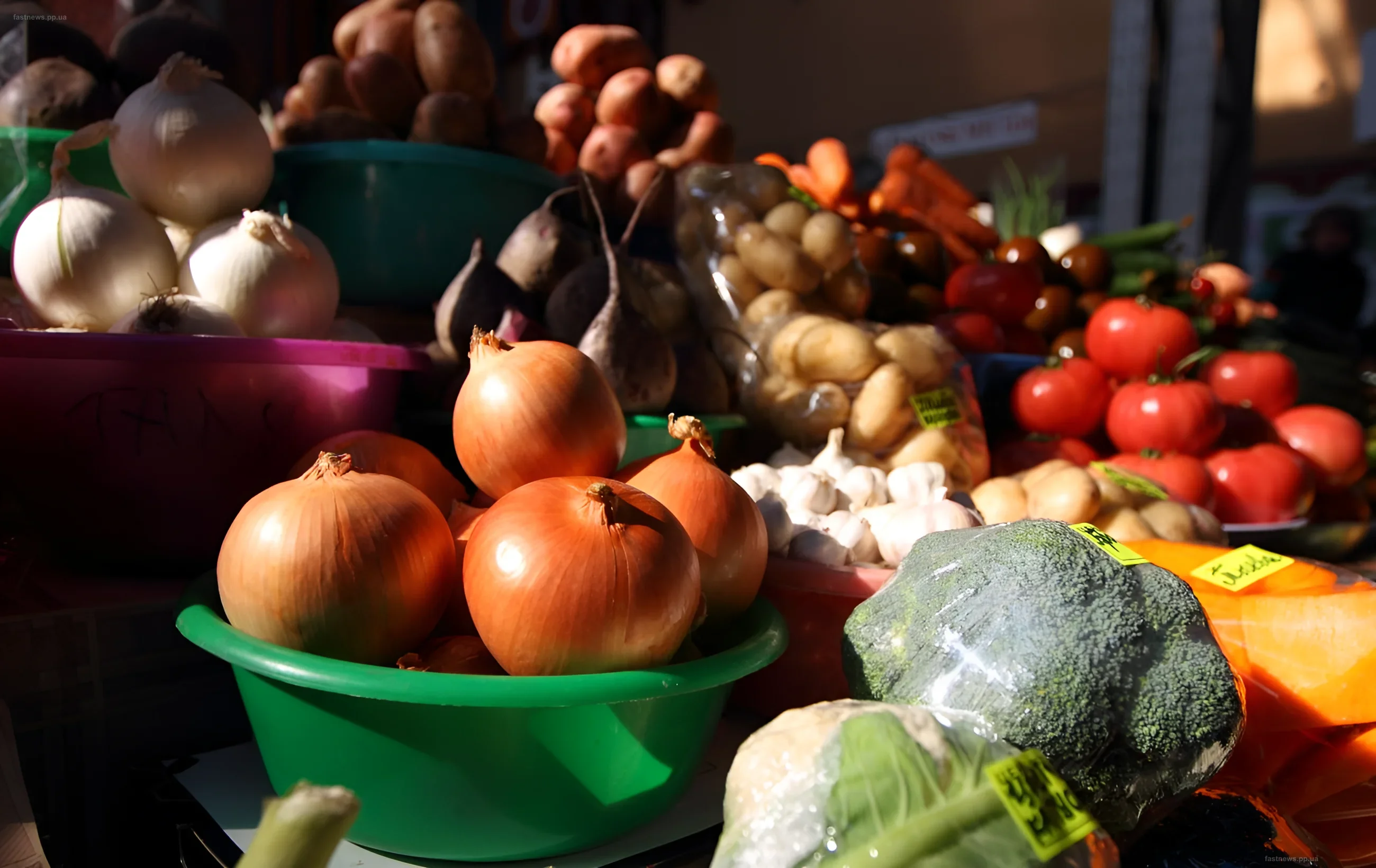
The traditional summer hope for cheap vegetables may face a harsh reality this year. While consumers await the usual price drop for the "borscht set" with the arrival of warmth, the market is demonstrating unusual stability. Experts warn: seasonal discounts will occur, but they will not be as powerful a factor as in previous years.
Spring Shock and Summer Forecasts
The main factor influencing pricing has been the anomalous weather conditions of spring. Frosts that hit early plantings created a supply shortage at the start of the season. This prevents prices for potatoes, onions, beets, and carrots from plummeting immediately with the appearance of the first harvest from open ground.
Maxim Gopka, an analyst at the Ukrainian Club of Agrarian Business, outlines the baseline scenario: prices will indeed drop in June-July, however, the average indicators for the summer will remain at the level of last year. This means that a "super-sale" on the shelves will not take place, and buyers will see only a moderate correction in cost.
Optimism in Numbers
Nevertheless, not all forecasts are pessimistic. Oleg Pendzin, Executive Director of the "Economic Discussion Club", points to positive dynamics. According to his data, the cost of the basic vegetable set for borscht is already 15% lower than a year ago. This indicates that, despite weather catastrophes, the overall price situation for citizens' wallets remains more favorable than in the previous season.
What to Expect on the Shelves
The situation in the market remains dynamic. On the one hand, we see a shortage of some crops, such as apricots, and a rise in bread prices. On the other — basic vegetables demonstrate relative stability. In the summer of 2026, consumers should count on stable prices, rather than a sharp drop in food costs.


