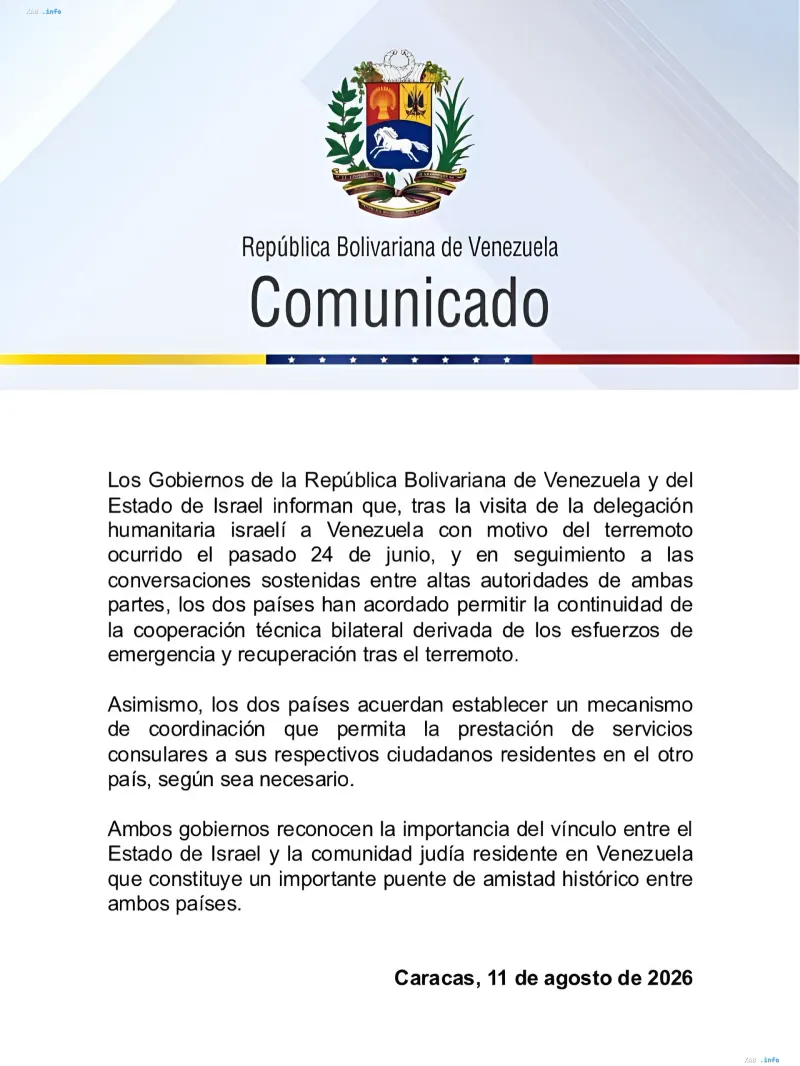
August 11, 2026, marked the day the geopolitical map of Latin America changed forever. Venezuela and Israel, states that had been in a state of diplomatic silence and ideological confrontation for 17 years, officially announced the resumption of contacts. However, behind the loud headlines about "restoring relations" lies a more complex and pragmatic mechanism: the parties agreed to resume consular ties and technical cooperation, but full diplomatic missions remain closed for now.
Historic turn: from alliance with Iran to pragmatism
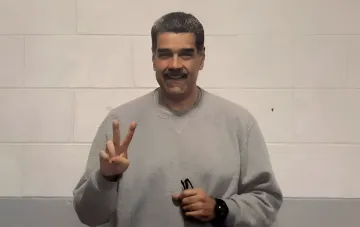
This move came as a shock to the international community. Until recently, Caracas was one of Tehran's most loyal allies in the region, and Nicolás Maduro repeatedly voiced sharp criticism of Israel. However, the events of January 2026, when US military forces detained Maduro and control of the country passed to Acting President Delcy Rodríguez, radically changed the balance of power. The new interim government of Venezuela took a course of rapprochement with the US and its allies, making normalization of relations with Israel not just possible, but strategically necessary.
"Earthquake diplomacy": how a disaster united enemies
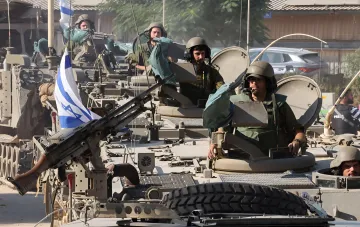
The key catalyst for rapprochement was not only the political change of power but also a humanitarian catastrophe. In June 2026, Venezuela was shaken by a devastating earthquake. Israel, without hesitation, sent a delegation of rescuers and engineers from the IDF Home Front Command to the country. Their work to restore infrastructure for tens of thousands of Venezuelans became the bridge upon which diplomats walked. Now, according to the agreement of August 11, technical cooperation in the field of emergency situations will continue, laying the foundation for long-term partnership.
What has really changed for citizens?
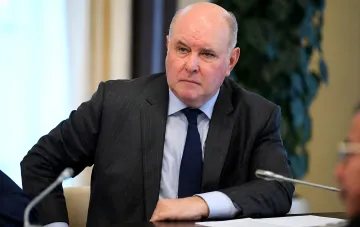
The agreement signed by Foreign Ministers Gideon Saar and Félix Plasencia created a joint coordination mechanism for consular services. This is the first official channel of communication between Jerusalem and Caracas since 2009. For citizens, this means the ability to resolve administrative and passport issues without intermediaries. Special attention has been paid to the Jewish community of Venezuela, whose numbers have dwindled to 4,000–6,000 people during the years of Chavismo and Maduro. Now they will have direct access to Israeli consular protection.
Contradictory data
Certain confusion has arisen around the wording of the agreement. Many media outlets and political commentators in the first hours after the announcement claimed a full restoration of diplomatic relations. However, official documents and statements from the foreign ministries of both countries clarify: the discussion is specifically about consular relations and technical cooperation. Full diplomatic ties, including the return of ambassadors and the opening of embassies, have not yet been restored. The parties call this a "first step towards a new era," but not a fact of accomplished normalization. This distinction is important for understanding the real status of relations at this moment.
Regional trend: Latin America turns to Israel
Venezuela's move is not accidental — it fits into a general regional trend. Simultaneously with Caracas's announcement, neighboring Colombia, under the leadership of new President Abelardo de la Espriella, took an unprecedented step by officially recognizing Israel's sovereignty over the Golan Heights. This testifies to a deep shift in the political paradigm of Latin America, where right-wing leaders who came to power in 2026 are rethinking old ideological dogmas in favor of pragmatic partnership with Israel.