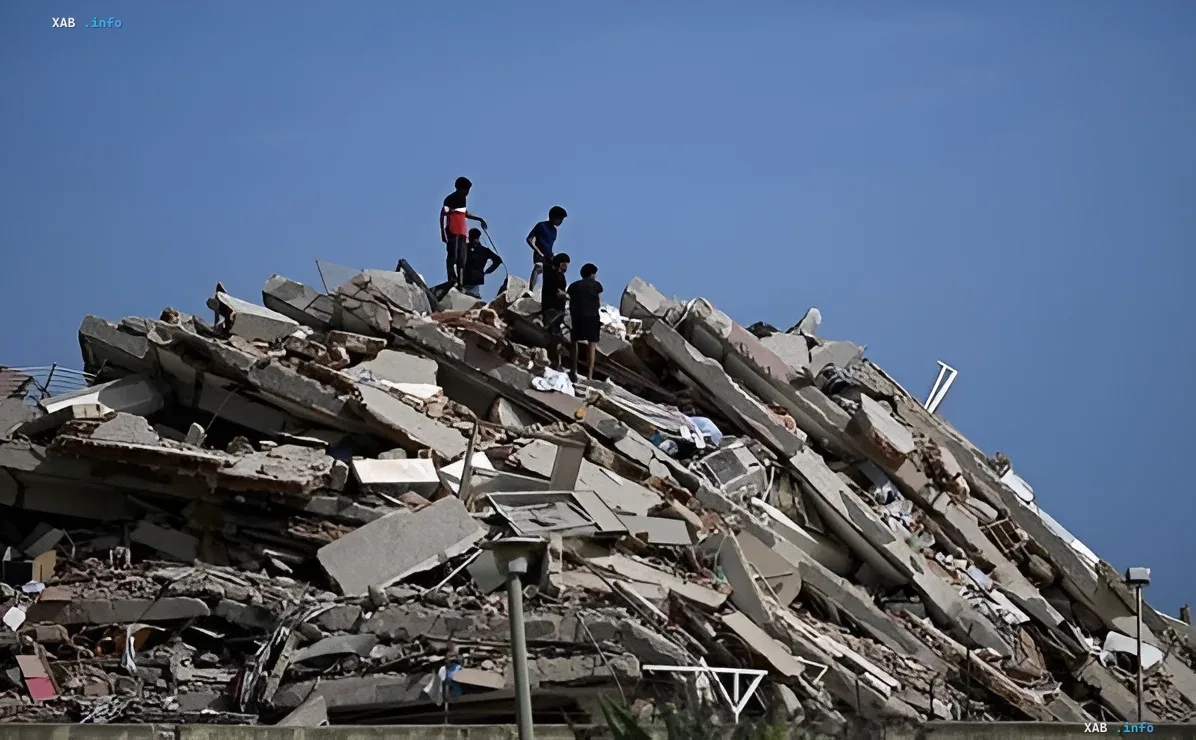
Venezuela is facing a massive humanitarian catastrophe, unprecedented in the last century. A series of powerful tremors that occurred on June 24, 2026, caused colossal destruction in the north-central part of the country. According to the latest official data from the Chairman of the National Assembly, Jorge Rodríguez, the death toll from the tragedy has reached 1,943 people. This event has been recognized by relevant authorities as the most destructive seismic phenomenon on the territory of the state in 125 years.
Catastrophe Mechanics: Seismic Doublet
According to data from the United States Geological Survey (USGS), the destruction was caused by a so-called "seismic doublet" in the San Sebastián fault system area. Within just 39 seconds, two consecutive shocks with magnitudes of 7.2 and 7.5 were recorded in the region. The epicenter of the events was located in the municipality of Veroez (Yaracuy state), however, the zone of maximum destruction covered the coastal areas and the capital region of Caracas. To date, seismologists have registered more than 130 aftershocks, which complicates the work of rescuers and creates a threat of collapse of damaged structures.
Balance of Victims and Destruction
The scale of human losses and infrastructure destruction is staggering. According to consolidated data from the Ministry of Health as of June 30, 10,571 people sustained injuries of varying degrees of severity. More than 80,870 families are listed as affected by the consequences of the natural disaster. Official authorities report thousands of citizens whose status is currently unknown, while civil platforms for finding relatives have already registered 43,251 inquiries about missing persons.
Infrastructure damage has been inflicted on key sectors of the economy and life support. In particular, the following indicators for capital buildings have been recorded:
- Total damaged: 855 objects.
- Completely destroyed: 189 buildings.
- Partially destroyed or emergency: 666 objects.
The coastal housing stock of La Guaira suffered a particularly severe blow, where the complete collapse of 158 buildings was recorded. In medical institutions, 8 facilities were affected: all of them were evacuated, and 8 have structural damage. Due to terminal damage, the operations of Maiquetía International Airport have been completely suspended, paralyzing external links to the capital. The capital metro and railway lines in the northern states have also been stopped.
Operation "Hope": Rescue and Aid
To eliminate the consequences, the government introduced a state of emergency (Estado de Alarma) in accordance with Article 338 of the Constitution. This allowed for the temporary restriction of certain constitutional guarantees to mobilize resources from the private and public sectors. A targeted reconstruction fund of $200 million was established.
Colossal forces have been mobilized for rescue operations: more than 26,000 emergency service employees and about 467,000 volunteers. Despite the sixth day of the operation, rescuers continue to find survivors. To date, 6,461 people have been rescued alive from under the rubble, including a two-year-old child in the Caraballeda coastal sector.
International Humanitarian Response
As part of the humanitarian track, the Pan American Health Organization (PAHO/WHO) has deployed activities. 51 international rescue missions have arrived to help Venezuela, including specialized units from Colombia, Germany, Spain, and Mexico (Topos unit).
The regional medical system is under critical pressure. The Ministry of Health is coordinating the deployment of Type 3 Mobile Hospitals (EMT Type 3) due to 100% capacity utilization and an acute shortage of capacity in stationary forensic and trauma departments in La Guaira state. The situation remains tense, and the work to restore the normal rhythm of life in the affected regions will take a long time.


