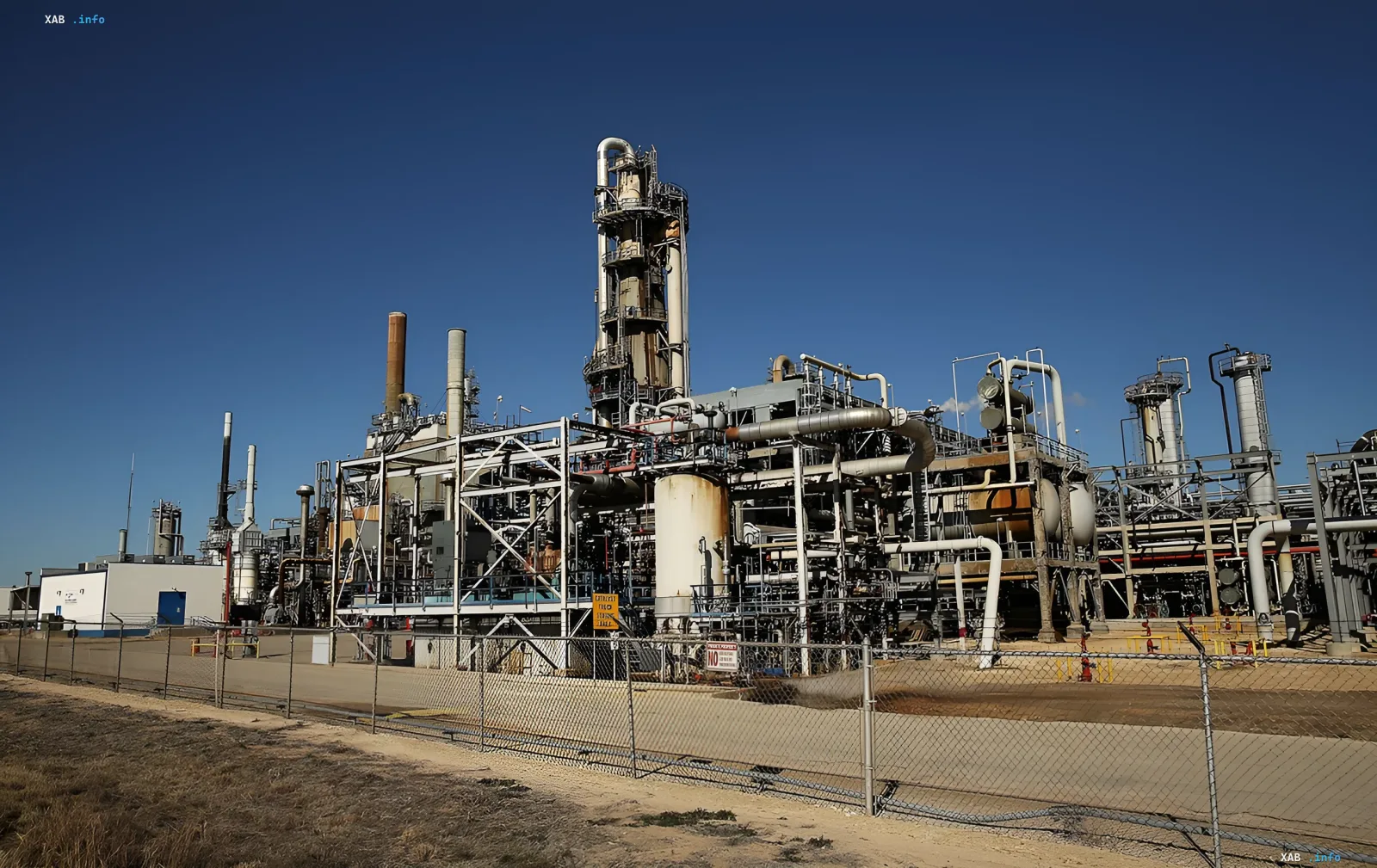
In Caracas, the signing of a new oil agreement with Washington was officially confirmed. According to the authorities, it is meant to serve as a tool for attracting large-scale investment and resuming production. Acting President of Venezuela Delcy Rodriguez, in a statement broadcast on state television, emphasized that the country retains ownership and sovereignty over its resources. "One thing must be absolutely clear: Venezuela retains ownership and sovereignty over its resources," Rodriguez stated. Under the terms of the document, the deal covers the development of 17 strategic oil fields, and the agreement's term, according to several publications, is 25 years.
Financial Parameters and Caracas's Expectations
The official estimates for the deal look impressive: more than $100 billion could be invested in the projects, and tax revenues to Venezuela's budget, according to the authorities, could exceed $209 billion. Rodriguez stated that the goal of the agreement is to turn the country's underground resources into a "source of social and economic well-being for the Venezuelan people." Against the backdrop of the deal, oil production is already showing growth: from January to July 2026 it increased by 29.8%, reaching approximately 1.2 million barrels per day. However, this figure is still significantly below the level of a quarter-century ago, when the country was producing around 3 million barrels per day.
Washington's Position and the Role of a "Guarantor"
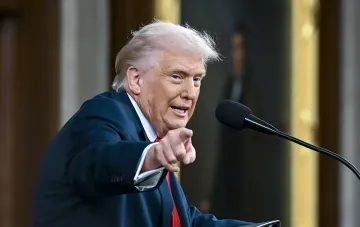
US President Donald Trump called the agreement "the largest oil deal in world history" and stated that America received a package of shares at no cost to American taxpayers. Under the terms of the deal, Washington gains control over 65 billion barrels of Venezuela's oil reserves. Some analysts view US involvement positively as a kind of "guarantor" of investment: the country holds the world's largest confirmed oil reserves, but for over a decade it has struggled to attract capital amid a deep economic crisis. Professor at the Institute of Higher Studies in Management (IESA) Oswaldo Felisola told AFP that without such agreements, the fields could have remained undeveloped for another 10–15 years, since state-owned Petróleos de Venezuela does not have the necessary financial resources. Earlier, Rodriguez launched reforms in the mining and oil sectors to simplify access for private and foreign capital, and Washington eased sanctions against Venezuela's oil industry.
Contradictory Data
However, disagreements have already emerged over how the deal is interpreted. On the one hand, Rodriguez insists that Caracas retains full sovereignty and ownership of its resources. On the other hand, Trump describes the deal as a transfer to America of a "package of shares" and "control" over 65 billion barrels of reserves, which sounds like a concession of part of the rights. Some critics accuse the government of insufficient transparency in the agreements, and on social networks the question is raised of how truly beneficial the deal is for Venezuelans. Thus, the same deal is simultaneously described as preserving sovereignty and as a transfer of control over a significant portion of reserves — and both versions come from officials of the two countries.
Geopolitical Context
The agreement was signed against the backdrop of a sharp shift in the region's course: in early 2026, according to available data, Trump carried out a military operation in Venezuela, as a result of which President Nicolas Maduro and his wife were detained and put on trial in the US. Recently, the American leader suggested that an operation in Cuba could also take place under the "Venezuelan model." Under these conditions, the oil agreement is perceived not only as an economic but also as a political document, defining the future management of the country's resources for the next quarter-century.