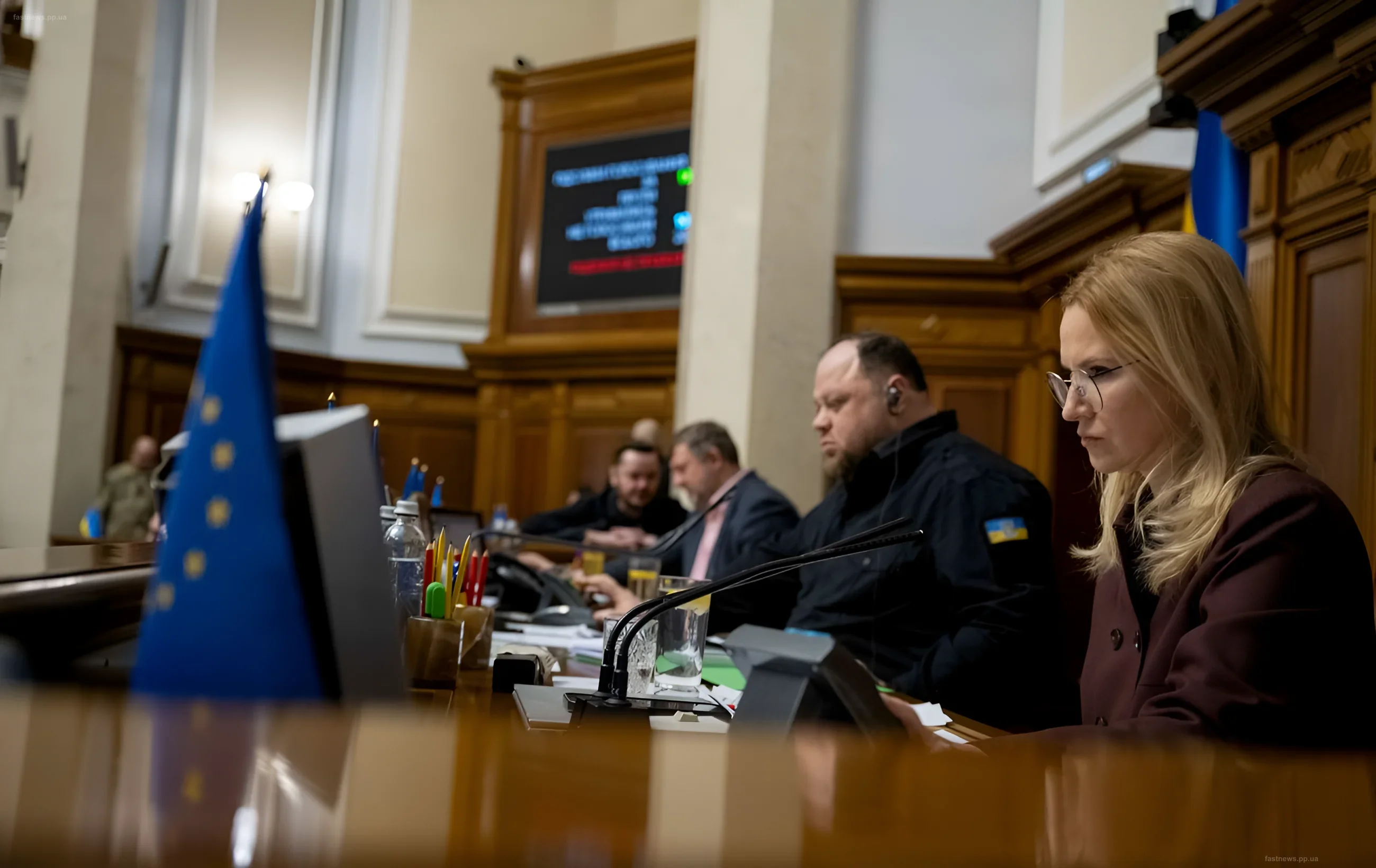
The Verkhovna Rada has taken a step that could become a turning point for the Ukrainian economy in the next two years. Deputies ratified a large-scale agreement with the European Union and a Memorandum of Understanding, opening access to financial resources totaling up to €90 billion. These funds are planned for 2026 and 2027 and are intended to serve as a shield for the economy amid the ongoing war.
Deal of the Century: Terms and Nuances
The documents were signed back on May 27 in Brussels and Kyiv, but it is precisely the ratification in parliament that triggers the mechanism for their implementation. The creditor is the European Commission, and the borrower agent is the National Bank of Ukraine. Legally, this is a long-term concessional loan, but for the Ukrainian budget, it effectively functions as a grant. These are unique conditions that allow funds to be directed towards overcoming the destructive consequences of hostilities and maintaining macroeconomic stability.
The financing plan for 2026 is already defined: it involves €45 billion. This money is not simply "handed out" but is strictly allocated across specific directions. Special attention is paid to macro-financial assistance amounting to €8.35 billion, which is divided into three parts for phased disbursement.
The Price of Money: Kyiv's Obligations
The European Union does not operate on the principle of charity without obligations. Each subsequent payment, which must be made at intervals of no less than three months, is tied to Ukraine fulfilling three basic conditions. This is a strict control system designed to guarantee that funds will be used effectively.
Kyiv has signed a list of specific commitments, including structural changes in the tax and customs sectors. These reforms, outlined in the official document, will affect the lives of ordinary citizens and the business environment. In particular, changes will concern:
- Simplification and digitalization of customs procedures;
- Optimization of tax administration;
- Combating the shadow economy and corruption in the budget sector.
Thus, €90 billion is not just numbers in a report. It is a tool that requires Ukraine to implement serious reforms in exchange for financial stability. The success of this deal depends on how quickly and effectively the country can implement the declared changes.


