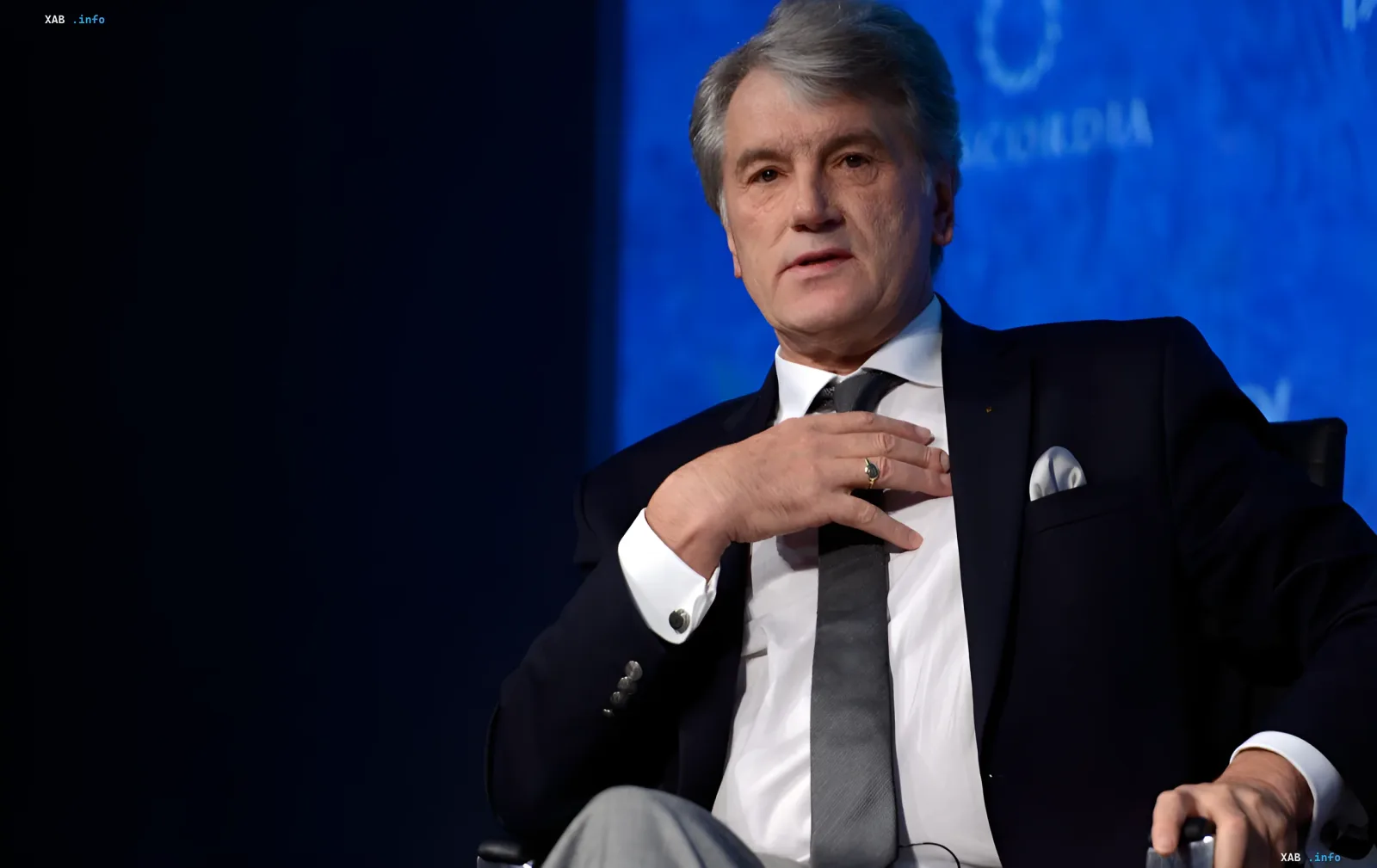
Former Ukrainian President Viktor Yushchenko has been elected Chairman of the Supervisory Board of the National Museum of the Holodomor-Genocide. This was reported by the Ministry of Culture of Ukraine. The board consists of 11 representatives from public associations, international organizations, and the scientific community. Their main task is to oversee the museum's activities, ensure its transparency, and attract resources for development.
Composition of the Supervisory Board and Key Appointments
At the first meeting of the newly formed Supervisory Board, the leadership was approved. Viktor Yushchenko, who served as President of Ukraine from 2005 to 2010, became the Chairman. Roman Vashchuk, former Ambassador of Canada to Ukraine, was elected Deputy Chairman. Olena Soroka, founder and head of the Network of Holodomor Descendants, was appointed Secretary of the board. The board also includes representatives of overseas Ukrainians, the scientific community, and international organizations, highlighting the global nature of the museum's mission.
Priority Tasks: From Construction to International Funding
According to Culture Minister Tatyana Berezhna, the board's priority tasks include completing the construction of the second phase of the museum complex, creating a permanent exhibition, and attracting international funding. Viktor Yushchenko emphasized that one of the main directions of work will be finding funds to complete the second phase of the museum. It is planned to attract both Ukrainian business and the Ukrainian diaspora abroad. According to Yushchenko, the full development of the museum acquires special significance in the context of the war.
Museum Development in Wartime: Preserving the Collection and New Projects
Museum Director Lesya Gasidzhak reported that over the past four years, the museum's collection has increased by 234%. Staff conducted expeditions, recorded testimonies of Holodomor witnesses and the mass artificial famine of 1946–1947, formed the Oral History Archive of the Holodomor, prepared new publications, and digitized museum exhibits. The museum is also continuing to work on creating a permanent exhibition and implementing an international technical assistance project for the Government of Canada. During the meeting, the museum's work in the context of the full-scale war, the preservation of the collection, and the preparation of premises for the autumn-winter period were discussed separately.
Architectural Ambitions: Green Roof and Modern Technologies
Yuriy Kovalov, architect of the National Museum of the Holodomor-Genocide, stated that the construction of the second phase of the museum complex is continuing. The new building will feature the largest green roof in Europe, the first inclined elevator in Ukraine, modern exhibition and conference halls, as well as space for exhibitions dedicated not only to the Holodomor but also to the modern war of Russia against Ukraine. This underscores the museum's aspiration to become not only a place of memory but also a center of modern cultural and educational space.
Contradictory Data
Some sources mention that the construction of the second phase of the museum has already begun, although exact completion dates are not specified. There are also discrepancies in funding estimates: some sources speak of attracting funds from Ukrainian business, while others mention international funding. This data requires additional verification and clarification from the Ministry of Culture of Ukraine.