
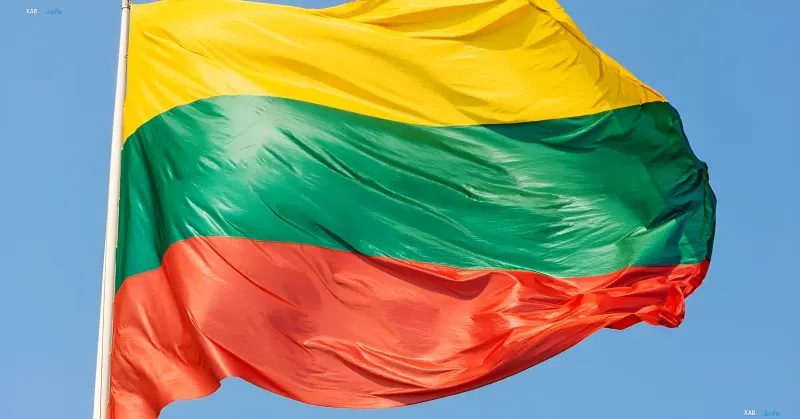
In early July 2026, tensions in the Baltic region reached a new peak. The Ministry of Foreign Affairs of Lithuania officially summoned a representative of the Russian Federation's diplomatic mission to present a note of protest. This diplomatic move was a reaction to massive strikes on targets in Ukraine and a sharp escalation in rhetoric between Moscow and the Baltic states.
Qualifying Strikes on Ukraine as War Crimes
The central point of the diplomatic note was Vilnius's reaction to events that occurred between July 6 and 8. According to verified data from monitoring groups, the recorded incidents resulted in the deaths of at least 27 civilians and injuries to approximately 100 people. The Lithuanian foreign ministry did not leave these facts unassessed, classifying the shelling as a gross violation of international humanitarian law norms.
Official Vilnius emphasized that such actions should be qualified within the framework of the Rome Statute of the International Criminal Court. The note of protest declared the intention to continue legal and coordination assistance to international investigative bodies to establish the identities of those involved in issuing orders and directly executing operations that have no statute of limitations.
Addressing Accusations: Airspace and Migration
The second key block of the meeting was the refutation of the Russian side's claims. Representatives of the Lithuanian MFA categorically rejected statements that the Baltic republics provide their airspace or ground infrastructure for launching unmanned aerial vehicles towards Russia. Diplomats were informed that such assertions do not correspond to the technical and legal realities of the functioning of Lithuania's defense systems.
Special attention was paid to the topic of migration policy. Lithuanian diplomats characterized the Russian MFA's statements about preparing a coordinated forced deportation of Russian-speaking residents as disinformation. The Lithuanian State Security Department (SSD) had previously qualified these narratives as an element of long-term information pressure. During the meeting, it was confirmed that any legal procedures for controlling migration regimes are carried out exclusively on the basis of national legislation and do not have the character of discriminatory campaigns.
Positions of the Parties in the Mirror of Diplomacy
The clash of positions became evident during the discussion of key issues. While Moscow claims the existence of logistical corridors in the Baltics and alleges discrimination against the Russian-speaking population, Vilnius insists on the complete denial of UAV transit and acting within the framework of national legislation. Disagreements also concern the very essence of the conflict: Lithuania records war crimes, while Russia declares the fulfillment of tasks within the framework of its defense doctrine.
The procedure for summoning a diplomat and presenting a note of protest, regulated by the 1961 Vienna Convention on Diplomatic Relations, is an official form of recording inter-state disagreements. Although this step does not entail an automatic severance of diplomatic relations, it clearly defines the scope of responsibility of the parties and fixes Vilnius's position in the context of growing information and military escalation.


