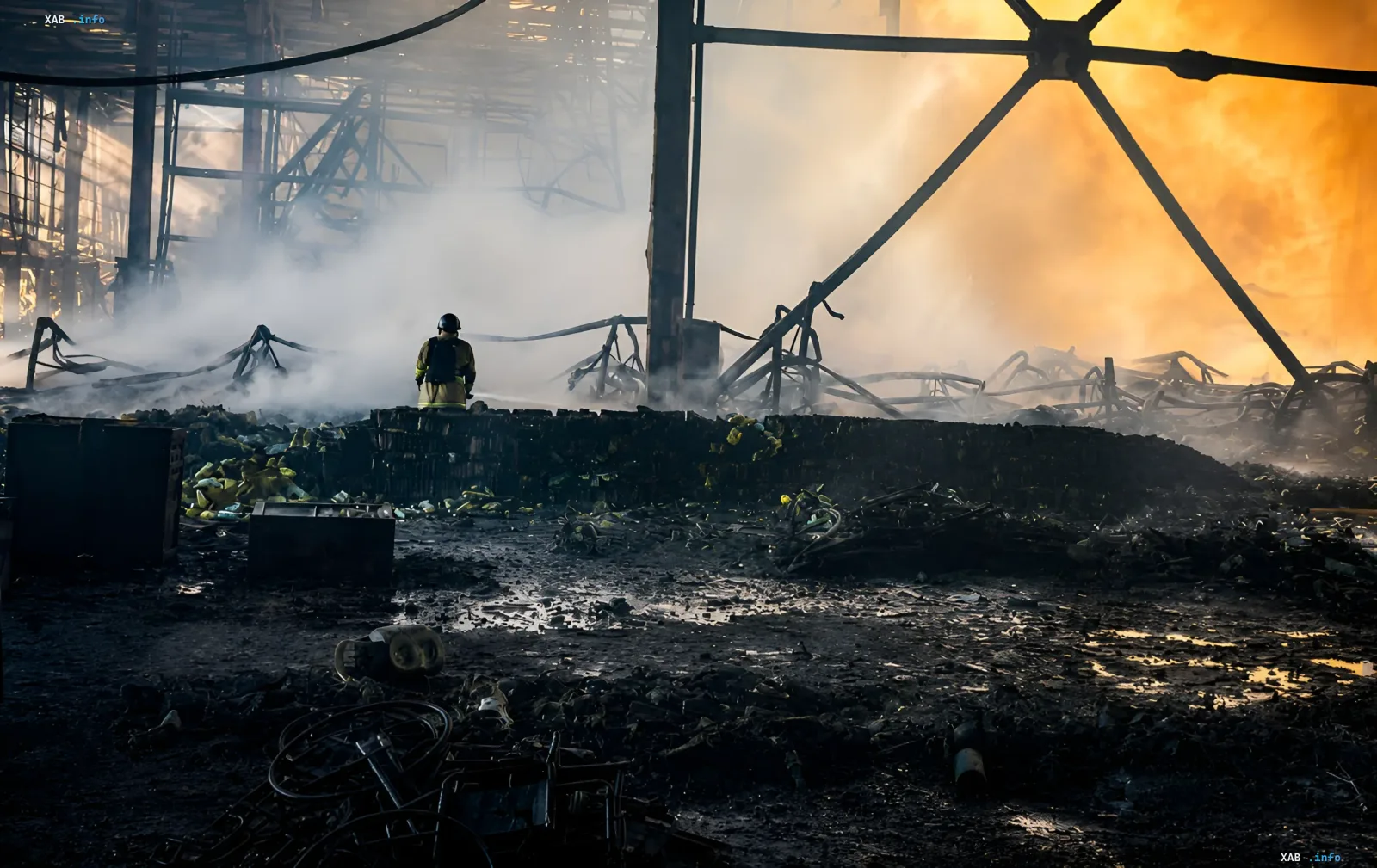
On the morning of July 6, a critical level of atmospheric pollution was recorded in the city of Vishneve in the Kyiv region. Following a night-time shelling by Russian forces targeting the capital and the surrounding region, local authorities were forced to urgently organize evacuation points for residents wishing to leave the settlement.
Toxic air and health risks
According to data provided by the Vishneve City Territorial Community and the "Vishneve MTG Info" report, the Air Quality Index in the city reached 193. This indicator corresponds to the "harmful" category. The main source of pollution was fine particulate matter PM2.5 — micro-particles capable of penetrating deep into the lungs.
Experts warn: prolonged exposure to such conditions can lead to serious consequences. The air can cause breathing difficulties and have a negative impact on people with cardiovascular diseases. In this regard, local authorities are urging residents to stay indoors and avoid going outside unless absolutely necessary.
Evacuation and safety measures
Two evacuation points are already operational in the Vishneve community. Residents who need assistance to leave the city can contact the specified addresses. Local authorities strongly recommend taking documents, necessary medications, water, and other essential items when evacuating.
Nikolai Kalashnik, Head of the Kyiv Regional Military Administration, emphasized the particular danger of staying near the impact site due to the threat of secondary detonation of explosive objects. The area is cordoned off by police, and demining and cleanup operations are ongoing.
"I urge the residents of the community to stay in safe places and not approach the area where work is continuing," Kalashnik stated.
Consequences of the night-time strike
Earlier, RBK-Ukraine reported that residents of the Vishneve community were urged not to go outside following the attack. On the night of July 6, Russian forces shelled the Bucha, Vyshhorod, and Brovary districts of the Kyiv region. As a result of the strikes, private homes, enterprises, and civilian infrastructure facilities were damaged.
According to local authorities, one person was killed and 15 others were injured as a result of the shelling. The situation in the region remains tense, and services continue to work on mitigating the consequences and ensuring the safety of the population.


