
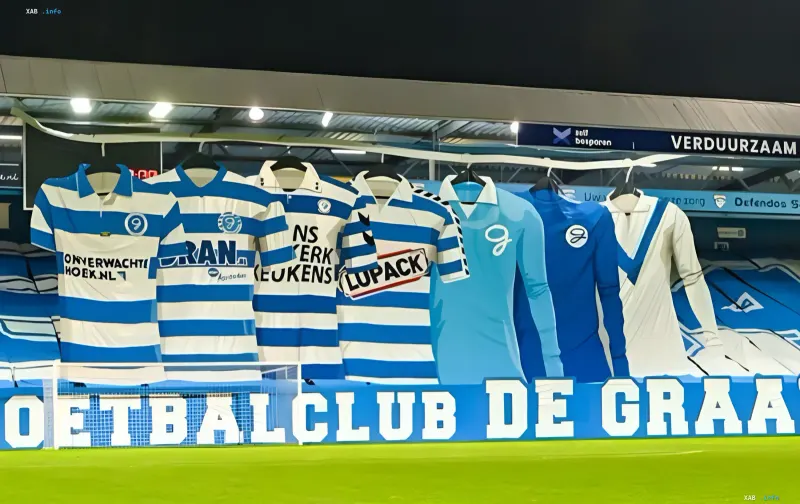
In the evening in Arnhem, thousands of fans who had already filled the stands of Vitesse's home stadium never saw the start of the fierce Eerste Divisie derby. The 13th-round match between Vitesse and De Graafschap was officially cancelled an hour before the scheduled starting whistle. The reason was an unprecedentedly massive and aggressive protest by visiting fans who physically prevented the team bus from leaving the parking lot of their own arena in Doetinchem.
The Quota Conflict: From 800 Seats to Full Sector Closure
The root of the conflict was the revision of the visiting allocation. Initially, the match organizers in Arnhem allocated 800 tickets to De Graafschap supporters for the away sector. However, the number of seats was later reduced to 500. The away club's ultras categorically refused to accept these conditions and demanded the original quota back. In response to the ultimatum, the organizers made a decision that, in their logic, was supposed to secure the match — the away sector was completely closed. This exact decision became the trigger for the radical protest action.
Chain on the Parking Gates: The Bus Did Not Leave
De Graafschap fans organized a blockade at the club's home arena in Doetinchem. They secured the parking gates with a chain, making it impossible for the team bus to drive out to the match in Arnhem. Thus, the team was physically unable to reach the opponent's stadium. Thousands of spectators who had already gathered in the stands in Arnhem waited for the game to start, but the match never took place. The incident became one of the most high-profile in the recent history of Dutch football and attracted the attention of both sports and general news outlets across the country.
KNVB: 'Fans Are Making Football Impossible'
The Royal Dutch Football Association (KNVB) and disciplinary bodies quickly reacted to the match disruption. In an official statement, the federation called the incident 'completely unacceptable' and stressed: 'It is unacceptable that the Vitesse vs De Graafschap match cannot take place. Fans are making football impossible — this is completely unacceptable. With their actions, they are harming their own club, their team, and the sport.' The situation has been referred to the League Board, which will soon decide on the nature of sanctions and determine a new date for the cancelled match.
Club Reaction and Tournament Context
De Graafschap's management expressed shock over the incident and promised to provide a separate legal assessment of the protesters' actions. At the time of the match cancellation, both teams were in the lower half of the Eerste Divisie standings after 13 played rounds, making this fixture particularly significant in the fight to maintain positions in the second division. The cancellation deprives both clubs of points and could affect the standings in the lower part of the table for the remainder of the season.
What's Next: Sanctions and Rescheduling
The Eerste Divisie League Board is currently reviewing materials on the incident. In Dutch football practice, such fan actions entail club fines, potential restrictions on away ticket quotas, and even playing subsequent matches behind closed doors. A new date for the Vitesse vs De Graafschap match will be announced after the disciplinary proceedings conclude. For the fan communities of both clubs, this incident served as another reminder that the conflict surrounding quotas and stadium safety remains one of the most acute problems in Dutch football.


