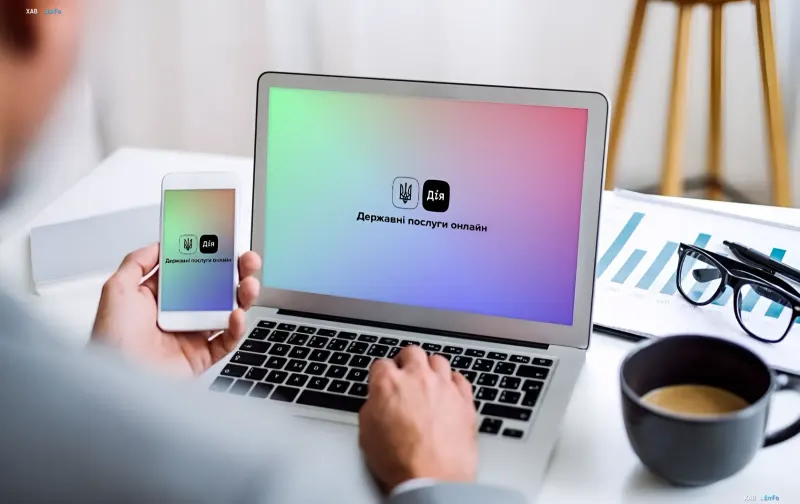
Ukraine's digital ecosystem has received a powerful boost. The 'Diia' app has acquired a voice communication feature, opening new horizons for citizen-state interaction. Now, requests can be formulated verbally, and responses received in audio format, eliminating the need to type text.
Technological breakthrough: synergy with ElevenLabs
The key moment of the update was the integration with the advanced ElevenLabs technology. This allowed the creation of a voice assistant that does not just synthesize speech but makes the dialogue natural and smooth. Artificial intelligence instantly processes what it hears, voices the answer with a living voice, and simultaneously duplicates the text on the device screen. This approach ensures maximum transparency and ease of use.
Inclusivity as a priority
Developers from the Ministry of Digital Transformation have bet on intuitiveness. The voice interface is designed to eliminate barriers for elderly people, as well as for citizens with visual or motor impairments. For those who find it difficult to read small text on the screen, voice control becomes a tool for equal access to public services.
The system takes into account the real living conditions of users. Recognition algorithms are tuned to support communication even in noisy places. At the same time, voice mode is activated only after user confirmation in the profile settings, guaranteeing security and control over data.
Visualization and history saving
To increase interactivity, developers have implemented a special graphical sound wave. It visually reacts to voice intonation, creating the effect of a live dialogue. In addition, the entire communication history is automatically saved in text format. This allows users to return to the dialogue at any time to refresh their memory of important details or forward information.
The voice chat fully duplicates the functionality of the text assistant, without reducing user capabilities. The update is seen as an important step towards creating a fully barrier-free digital environment in the country.
System training and feedback
Developers continue to actively train artificial intelligence and are open to cooperation with users. The first testers can directly influence the quality of the system's work. Every answer from the voice assistant can be rated with a like or dislike, as well as leave a detailed comment. This feedback will help make the algorithms even more accurate and useful for all citizens.