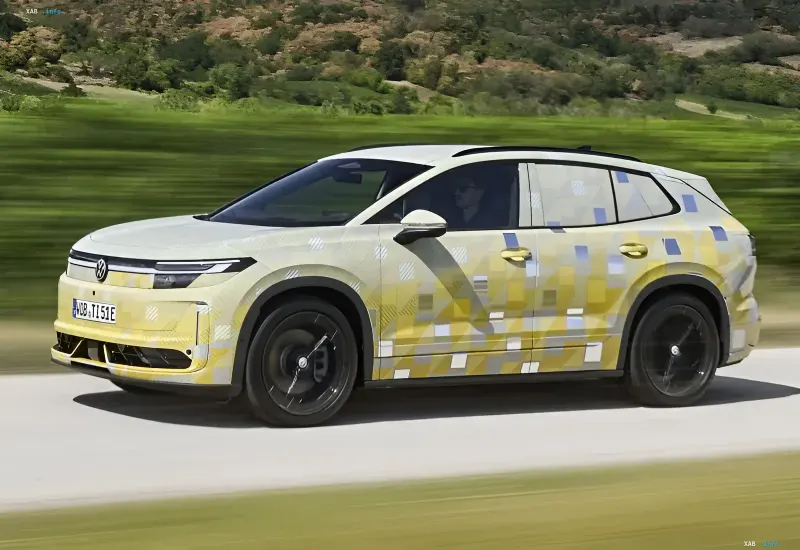
German car manufacturer Volkswagen is preparing for a major overhaul of its electric vehicle lineup, aiming to strengthen its position in a rapidly changing market. The company spent the past five years experimenting with the standalone ID family of electric vehicles, but the strategy is now shifting toward time-tested and universally popular names. A key step in this direction will be the introduction of an electric crossover named the Volkswagen ID.Tiguan, which will replace the ID.4 and ID.5 models in Europe.
Launch Timelines, Market Strategy, and Sales Geography
The official premiere of the new model is scheduled for early October 2026, but the manufacturer is already revealing details of the upcoming release to build anticipation. In the European market, the ID.Tiguan will completely replace the ID.4 and its sportier derivative, the ID.5, early next year. However, the project's geography has nuances: in China, the production of current electric vehicles will continue until a brand-new global model hits the local market. Meanwhile, in the United States, production of the ID.4 was permanently wrapped up in April of this year, freeing up manufacturing capacities for new platforms.
Marketing Success of the Predecessor and Correcting Mistakes
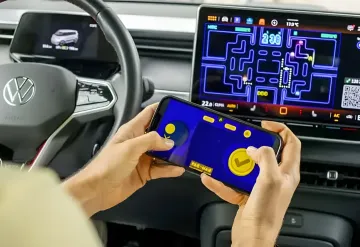
Despite its impending retirement, the ID.4 cannot be called a commercial failure, having sold around 950,000 units worldwide since 2021. Nevertheless, the vehicle regularly faced criticism from users for controversial ergonomic choices, specifically the complete lack of physical control buttons on the dashboard. Volkswagen has promised to address this feedback: the ID.Tiguan interior will feature more familiar ergonomics with physical control elements, similar to the recently unveiled ID.3 NEO and ID.Polo models.
Body Design, Technical Features, and Market Prospects
The exterior styling of the ID.Tiguan evolves compared to its predecessor, featuring straighter and more rigid body lines alongside updated lighting graphics. Although test prototypes remain covered in camouflage wrap, the automaker has showcased various body angles and bumper design variants. Company management has high expectations for the new vehicle, aiming to replicate the phenomenal success of the classic internal combustion engine (ICE) and hybrid Tiguan, which—alongside related models—retained the title of best-seller across the entire Volkswagen Group with over a million units sold last year.