With the onset of steady cold weather in November 2026, layering, voluminous outerwear, and chunky shoes are once again becoming the foundation of everyday looks. However, as stylists from the Styler project (RBC-Ukraine) note, not every "warm" item flatters the figure: a number of popular autumn wardrobe models can visually add bulk and distort proportions. The key recommendation from specialists is not to abandon favorite trends, but to learn how to work with silhouette balance—pairing a loose top with a sleek bottom and vice versa, as well as using techniques that define the waistline and verticality.
Chunky Knit Sweaters: When Volume Works Against You
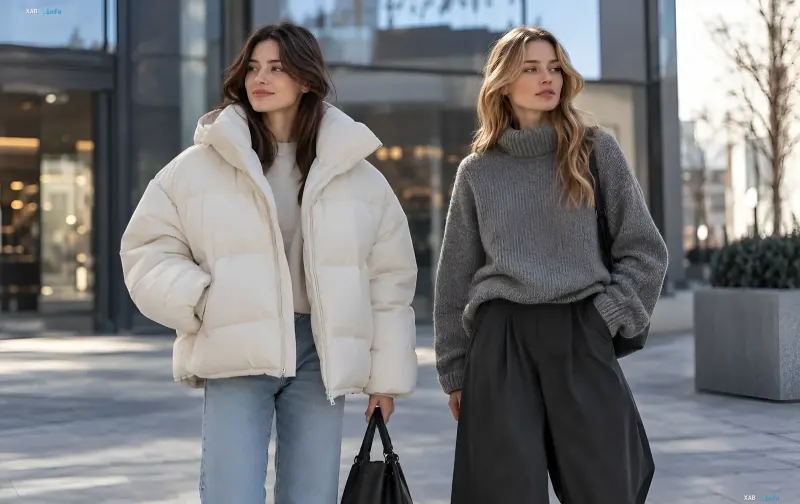
Warm sweaters made of thick yarn with large patterns, voluminous sleeves, and dropped shoulders are a staple of the cold season. It is these models that most often "expand" the upper body. Such a sweater looks especially unflattering when paired with wide trousers or a long, voluminous skirt: when both the top and bottom are loose, the silhouette loses its clear outlines and turns into an undefined "cocoon." Stylists recommend combining chunky knitwear with straight or slim jeans, leggings, or a sleekly cut skirt. An effective trick is to partially tuck the front of the sweater into the waistband of your pants to define the waist and restore verticality to the figure.
Oversized Coats: Shoulder Line and Belt Decide Everything
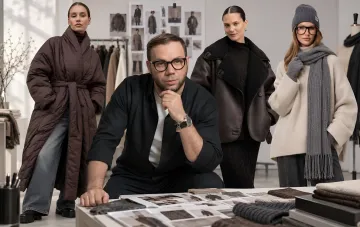
Loose outerwear remains relevant, but not every oversized model works well with proportions. Excessively wide coats without a clear shoulder line, belt, or structured cut create the effect of a massive figure. The problem is exacerbated when voluminous sleeves, wide lapels, and a below-the-knee length are present all at once—in this case, the clothing literally "swallows" the figure. When choosing a coat, stylists advise paying attention to the presence of a belt, a defined shoulder line, or vertical cut lines. If the top is still wide, the bottom should be as concise as possible—straight trousers or a narrow skirt will balance the overall silhouette.
Pleated Skirts and Tiered Styles: Romance with Caveats
Pleated skirts, ruffled models, and tiered styles add romance to a look, but visually increase hip volume. This is especially true for items made of dense fabric that holds its shape well: a large number of folds creates extra volume, and a mid-calf length shortens the legs. An alternative is models made of softly draping fabrics or straight-cut skirts. In this case, the top should be concise and tucked into the waistband, and the shoes should visually extend the line of the legs: pointed-toe ankle boots or pumps matching the color of your tights work best.
Puffer Jackets: Horizontal Sections vs. Vertical Quilting
Puffer jackets save you from the cold, but some models noticeably alter body proportions. Extra bulk is added by jackets with wide horizontal sections, overly voluminous sleeves, and mid-thigh length. If the model lacks a distinct silhouette, it visually expands the shoulders, waist, and hips all at once. Stylists recommend choosing puffer jackets with vertical quilting, a belt, or an adjustable drawstring. An elongated model with a more defined cut also works better than a short "sack." At the same time, it is not necessary to buy a fitted puffer jacket—it is enough that it does not create excessive volume in the middle section.
Scarves and Accents: The Final Touch That Can Ruin Everything
A large woolen scarf is not only a stylish accessory but also an indispensable item in cold weather. However, if you wrap it around your neck multiple times and leave long, bulky ends in the front, the upper part of the silhouette becomes noticeably massive. This accessory looks especially unsuccessful when combined with a high sweater collar, a voluminous hood, and massive outerwear—an effect of "layering" arises, which hides the neck and face. Alternative: medium-width scarves loosely draped over the shoulders, or large models without excessive layering at the neck. A small open space in the decollete area helps to visually elongate the silhouette.
The Main Rule: Proportions, Not Abandoning Trends
Stylists emphasize: the autumn 2026 wardrobe does not require abandoning favorite voluminous items. The main thing is to learn how to work with proportions. Even the "widest" sweaters, coats, and puffer jackets look harmonious if paired with a concise bottom, a defined waist, and a balance between freedom and structure. This approach fully aligns with the overall vector of the autumn–winter 2026/27 season, which, according to industry reviews, emphasizes rationality: rethinking the basics, playing with textures, and the ability to transform familiar things through details and accessories rather than endlessly replenishing the closet with new items.