At the Vostochny Cosmodrome, large-scale annual technical maintenance of the main ground infrastructure has been successfully completed. This event marks a key stage in preparation for the intensive launch of space programs in 2026. Specialists from the Center for Operation of Ground Space Infrastructure (TSNIKI) conducted a full diagnosis and regulatory work on the launch complexes for the "Soyuz-2" and "Angara" launch vehicles, as well as on the Universal Technical Complex (UTC).
Full Readiness of the "Soyuz-2" Complex
The launch complex (LC) for "Soyuz-2" launch vehicles underwent a thorough inspection of all systems and units. As a result of the diagnosis, TSNIKI specialists did not detect any malfunctions. This means that the site is fully ready to receive and launch the next spacecraft. The readiness of the complex confirms the uninterrupted operation of the Russian rocket program in the Far East.
Large-Scale Work on the "Angara" Complex and UTC
At the launch complex for heavy rockets of the "Angara" family, the scope of work was significantly wider. Here, specialists serviced more than 40 systems of ground equipment and instrumentation, including critically important complexes used directly in working with the launch vehicle and the upper stage. The most labor-intensive area was the maintenance of the Universal Technical Complex (UTC). More than 150 systems and units were checked and brought to normal condition, which ensure the preparation of space technology before sending it to the launch pad. All UTC equipment confirmed its readiness for further operation.
Arrival of a New Rocket and Launch Schedule
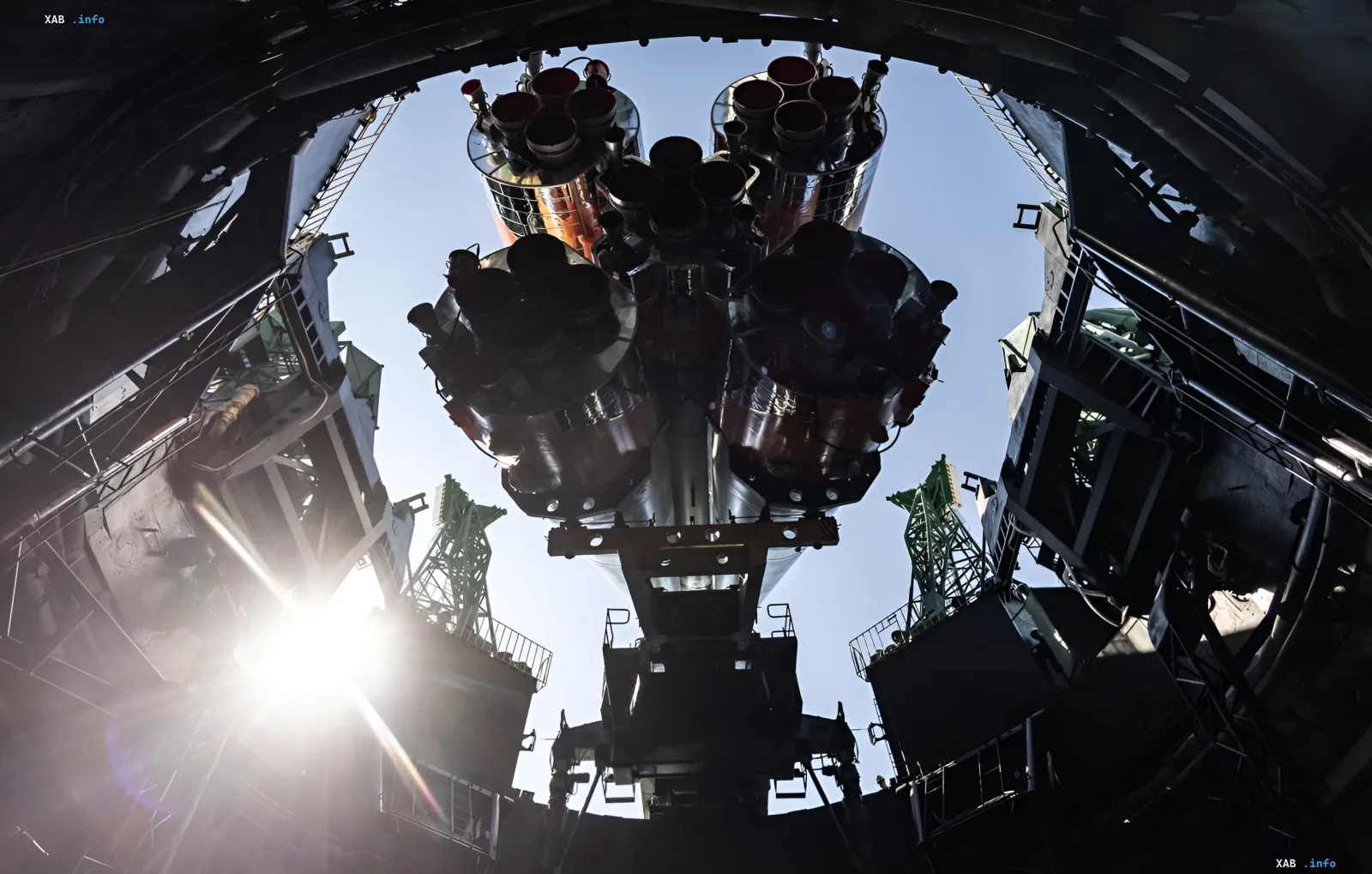
Infrastructure maintenance work proceeded in parallel with the preparation of new launches. As sources report, on July 22, the blocks of the next "Soyuz-2" launch vehicle and its payload fairing were delivered to the cosmodrome by rail. This event marks the transition from the technical maintenance stage to the active phase of launch preparation. Thus, "Vostochny" demonstrates high efficiency: it simultaneously maintains the readiness of the existing "Soyuz-2" infrastructure and continues to operate the new launch complex for heavy "Angara" rockets.
Contradictory Data
Although the main facts about the completion of maintenance and the arrival of the rocket are confirmed by all sources, there are minor discrepancies in the details of the process description. In some reports, the emphasis is placed exclusively on the arrival of the "Soyuz-2" rocket as the main event, while in the official reports of TSNIKI, priority is given to the completion of the annual maintenance schedule. In addition, the exact dates of the next launch are not specified in open sources, leaving room for interpretation: some experts link the arrival of the rocket to a launch in late summer 2026, while others assume the possibility of an earlier start if the preparation proceeds without delays.