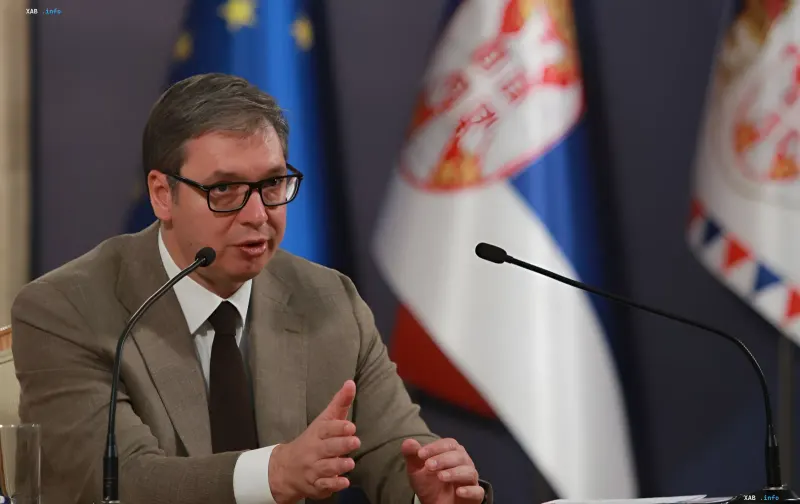
Kyiv has concluded the first visit in a decade by Serbian President Aleksandar Vučić. It is becoming clear that the trip served as a stress test for Serbian diplomacy: Belgrade confirmed its course of supporting Ukraine but firmly outlined the boundaries of its loyalty regarding pressure on Moscow.
First Visit in 10 Years and Summit Format
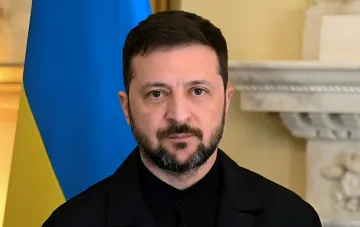
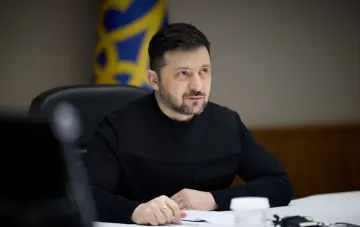
Aleksandar Vučić arrived in the Ukrainian capital to meet with Volodymyr Zelenskyy and participate in the "Southeast Europe – Ukraine" summit. This event became a historical precedent, as the Serbian leader had not visited Kyiv for more than ten years. The meeting of leaders took place against the backdrop of an intensifying regional agenda and the need to consolidate the efforts of Southeast European countries.
Specific Promises: From Medicine to City Reconstruction
The result of the negotiations was Belgrade's promise to provide Ukraine with additional assistance. Vučić confirmed that Serbia would direct resources to the financial, medical, and energy sectors. Special attention was paid to the humanitarian aspect: the Serbian side declared its readiness to take on the reconstruction of one of the Ukrainian cities. The name of the settlement is not yet disclosed, however, Vučić promised to do everything possible to achieve the best results for the Ukrainian people in this project.
Diplomatic Gesture: Refusal to Sign
Despite warm words of support, Vučić's visit was marked by an important diplomatic nuance. The President of Serbia refused to sign the final declaration of the summit. The document contained a call to increase pressure on Russia and continue military support for Ukraine. This step became a direct signal that, despite the partnership with Kyiv, Belgrade is not ready to enter into open confrontation with Moscow or participate in sanction initiatives against it.
Position on the EU and Conflict Context
Vučić emphasized that Serbia will continue to support Ukraine's aspiration to join the European Union. "Ukraine, Moldova, and all others can always count on the support of Serbia," he stated. Since the beginning of the full-scale war, Belgrade has already provided Ukraine with about 60 million euros in non-lethal and humanitarian aid. At the same time, Moscow has repeatedly accused Serbia of supplying ammunition through third countries, although Belgrade categorically denies these claims.
Domestic Politics and Resignation Plans
The visit to Kyiv took place against the backdrop of a complex internal situation in Serbia. At the end of June, Aleksandar Vučić, who has been facing large-scale anti-government protests for more than a year, announced his intention to resign in the coming weeks. According to him, early presidential and parliamentary elections should be held in the country, which could radically change the political landscape of the region in the near future.