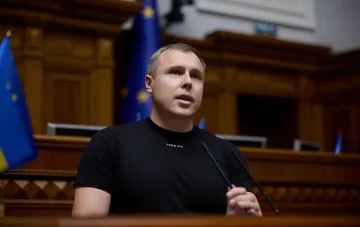
The Verkhovna Rada of Ukraine held another historic vote that determined the status quo in the country for the next three quarters. Deputies supported President Volodymyr Zelenskyy's initiative to extend martial law and the general mobilization regime. Now, these emergency measures will be in effect for at least until October 31, 2026.
The twentieth extension of the regime
According to RBC-Ukraine, the broadcast of the session confirmed that this is already the 20th parliamentary decision to extend these regimes since the beginning of the full-scale invasion. The procedure followed a well-established algorithm: the president submitted draft laws No. 15401 and No. 15402, and the people's deputies supported each of them, receiving more than 226 votes — the necessary quorum for adopting such decisions.
Who faces conscription and how the rules are changing
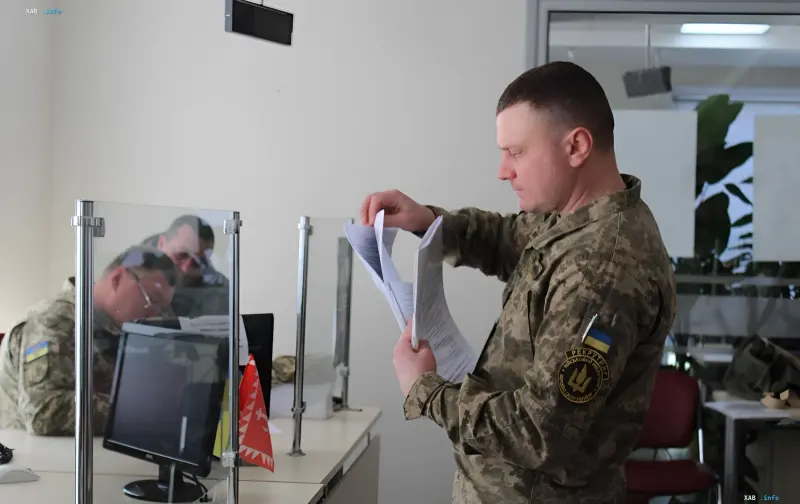
The extension of martial law enforces strict rules for citizens liable for military service. The main contingent for mandatory conscription remains men aged 25 to 60 who are deemed fit for service and do not have the right to deferment. It is important to note that all mobilized individuals are primarily sent to training centers to undergo basic military training.
The situation regarding youth aged 18 to 25 has its own specifics. Mobilization of citizens in this age category is possible only in exceptional cases: if they are reserve officers or already have experience of compulsory service. In other situations, young people can join the army exclusively on a voluntary basis by signing a contract.
Women's status and the issue of deferments
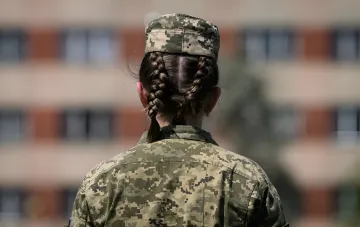
For women registered for military service, the rules remain unchanged: service is possible only on a voluntary basis. The Ministry of Defense previously clarified the difference between deferment and protection (bron), emphasizing that most active deferments are currently being extended automatically.
Nevertheless, the legal sphere is not standing still. Lawyer Tatyana Lebedeva, in a comment to the publication, noted that there are certain conditions under which deferments and protection may be annulled. This highlights the need for citizens to closely monitor changes in legislation in the context of a protracted conflict.