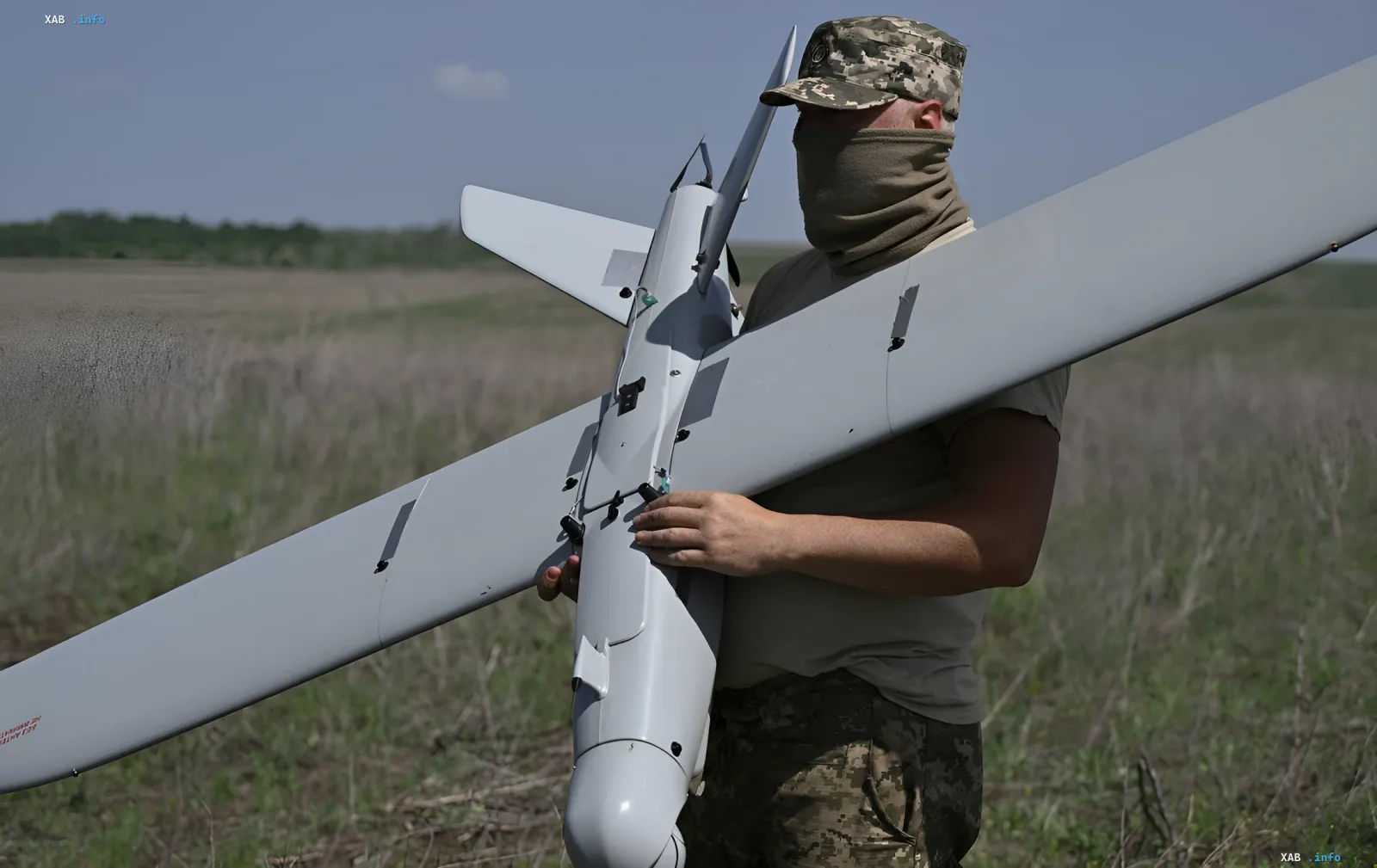
The nature of combat operations in eastern Ukraine has undergone fundamental changes. While strikes were previously concentrated directly along the front line, the Ukrainian army has now shifted to the systematic destruction of the enemy's rear infrastructure. An analysis of data conducted by the Russian publication Meduza, based on reports from the Institute for the Study of War (ISW) and the GeoConfirmed project, records an unprecedented expansion of the geography and depth of attacks.
Shift in Vector: From the Front Line to the Deep Rear
In May and June 2026, the average depth of Ukrainian strikes increased manifold. Targets that were previously located just a few kilometers from the front are now being hit tens of kilometers deep into territory controlled by Russian forces. French OSINT analyst Clément Molin, after reviewing video footage, confirmed the fact of at least 500 strikes on Russian trucks and military equipment between May 1 and June 18. Since the beginning of the year, geolocation data has already recorded 270 such incidents.
Ukrainian forces have shown particular activity in the Huliaipole and Orikhiv directions. Critically important sections of the M-14 "Rostov-Crimea" highway, connecting the southwest of the Donetsk region and the east of the Zaporizhzhia region, came under attack. Simultaneously, the focus shifted to the temporarily occupied Kherson region and Crimea, as well as rear areas on the Pokrovsk, Konstantynivka, and Sloviansk directions.
Technological Breakthrough: Drones with a Range of 3000 km
A key factor in the escalation was the expansion of the capabilities of unmanned systems. On June 21, Ukrainian President Volodymyr Zelenskyy announced the successful deployment of new Fire Point drones capable of striking targets at a distance of up to 2,070 kilometers. According to the head of state, this threshold will be surpassed in the near future, and Ukrainian UAVs will be able to strike at a range of up to 3,000 kilometers.
This technological advantage allowed for the expansion of the campaign to destroy Russian oil infrastructure. Since March 2026, the scale of attacks on fuel facilities has increased significantly, directly affecting the logistics and supply of occupation forces.
Crimea Under Attack: Fires and Bridge Closure
The consequences of the intensified strike campaign were clearly manifested in Crimea. In recent months, the peninsula has become the target of massive attacks, during which gas stations, oil terminals, air defense systems, and logistics hubs were hit. The situation intensified over the past weekend: occupation authorities were forced to close traffic on the Crimean Bridge following a new drone attack. Satellite imagery recorded several fire outbreaks in the Kerch area and the "Kavkaz" port.
Strategy of Attrition
The Ukrainian command is betting on the systematic destruction of supply chains. Commander of the National Guard of Ukraine, Oleksandr Pivnenko, announced plans to increase the number of UAV pilots to intensify pressure on occupied territories. According to his assessment, after the complete blockage of logistical routes, it will be "very difficult" for the enemy to continue combat operations. The current strategy is already yielding results, creating serious problems for the supply of the Russian grouping.


