

In Russia, a systemic transformation of the higher education system is taking place. According to the Ukraine Disinformation Center, the country's authorities are deliberately restricting access to humanities and social science specialties, while simultaneously expanding privileges for participants in hostilities and their families. Experts call this the transformation of the education system into a tool for serving military needs.
Cutting places and rising prices
In the current academic year, Russian universities reduced 47,000 paid places in directions that the authorities deemed "unnecessary". The first blow fell on law, economics, psychology, and management. At the same time, the cost of tuition for the remaining programs increased by an average of 10–30%, making higher education less accessible to the broad masses of the population.
Quotas for families of fallen soldiers
Parallel to the reduction of places for civilian specialties, President Vladimir Putin signed a law providing special benefits to relatives of those who died in the war. Widows and close relatives of military personnel who died during hostilities receive the right to enter universities without taking exams, as well as to take preparatory courses for free.
Experts note that such a measure creates an artificial motivation to join the armed forces. As noted at the Ukraine Disinformation Center, "it is more profitable to die at the front than to study" — a logic that, in their opinion, is becoming the new norm in the Russian social elevator system.
Education as a recruitment tool
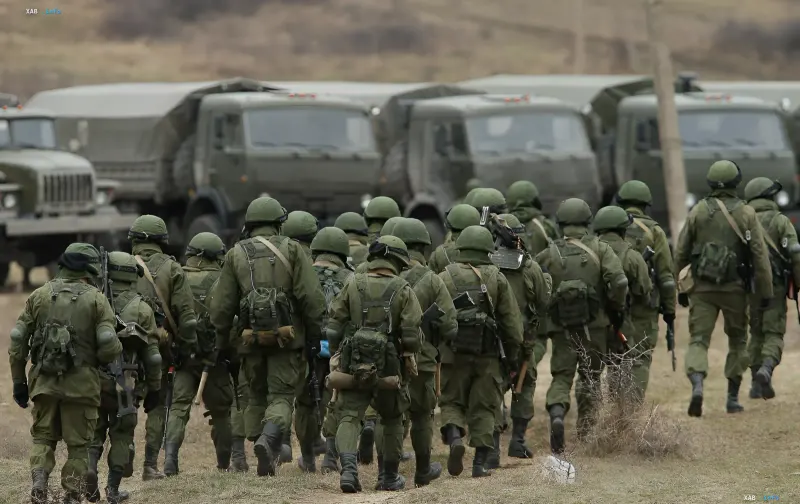
Previously, the Center reported that Russian educational institutions are actively used as platforms for recruiting young people for the war against Ukraine. Students are viewed not as future specialists, but as a potential resource to replenish losses in the occupation army.
President of Ukraine Volodymyr Zelenskyy previously stated that despite huge losses on the front, Russia is preparing for an expansion of mobilization and new offensive operations. Under these conditions, changes in the education system look not just as administrative measures, but as part of a broader strategy to ensure the army with human resources.
Thus, the Russian higher education system is increasingly adapting to the needs of war, depriving young people of the prospects of a civilian future and turning education into one of the tools of the military machine.


