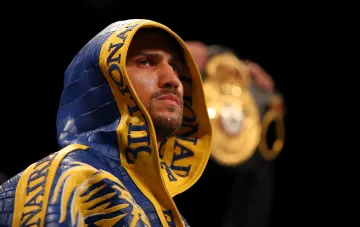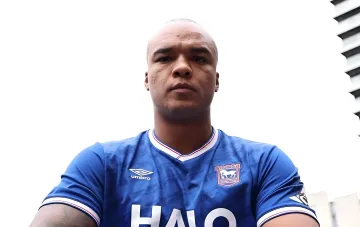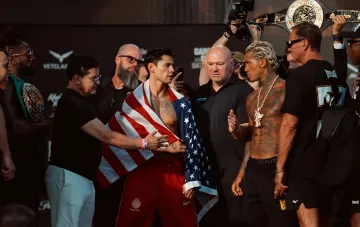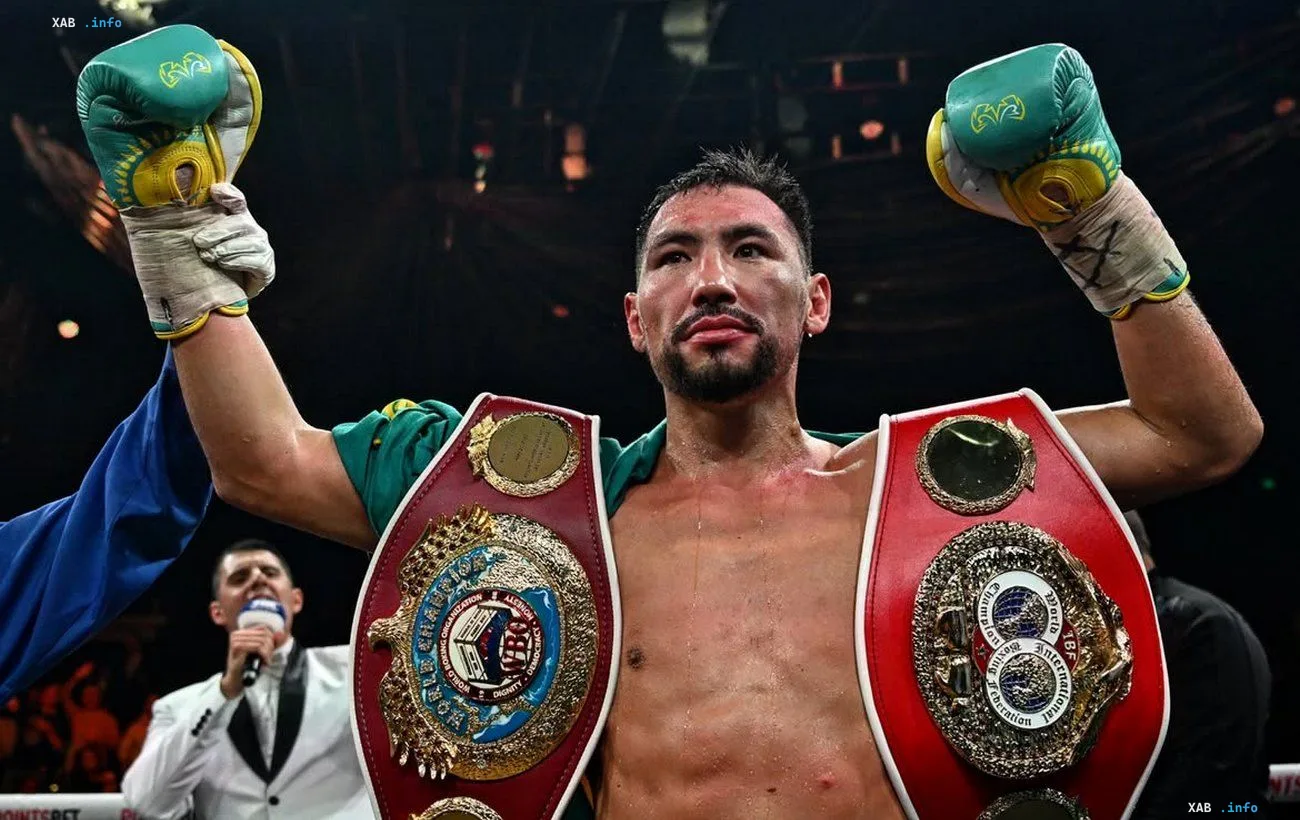
The World Boxing Organization (WBO) has made a firm administrative decision that could shape the landscape of the super welterweight division in the coming months. The organization has officially required the promotional teams of Zhanibek Alimkhanuly and Jakob Bank to begin negotiations for a fight for the vacant world championship title in the 69.85 kg (154 lb) division. The parties have been given a clear deadline — 15 calendar days to sign a contract, which pushes the deadline to October 7, 2026. If a deal is not reached within the allotted time, so-called "Plan B" will be triggered: a promoter's auction with a starting bid of $300,000. At the same time, either side retains the right to demand an early start to the auction without waiting for the 15-day window to expire.
Why the title ended up vacant
The story behind the belt began with the decision of former champion Hamza Shiraz (24-0-1, 19 KOs), who voluntarily vacated the title, deeming the offered purse of $750,000 insufficient for a defense. Shiraz did not stop at a formal statement about vacating the belt: he publicly expressed his dissatisfaction that the WBO had directed the vacant title toward Alimkhanuly, reminding the Kazakh of a long-standing doping test. These statements added an emotional backdrop to the entire process of appointing the mandatory challenger and turned a sporting matter into a public controversy.
Ranking dynamics
Zhanibek Alimkhanuly, who holds the top spot in the official WBO super welterweight ranking, is a former champion in the lower division and, by the organization's decision, has been granted the status of mandatory challenger. His potential opponent is Jakob Bank, the third-ranked fighter. Thus, if the fight takes place, it will be a meeting between the number one and number three ranked fighters, which is a fairly standard configuration for a title bout. Notably, the number two ranked fighter, Diego Pacheco, also ignored the opportunity to challenge for the belt, choosing instead to fight Darius Fulghum. This decision deprived the WBO of another potential candidate and simplified the process of mandating a fight between the two remaining parties.
Contradictory data
In the public sphere, there are several inconsistencies and contradictory assessments surrounding this WBO decision. On the one hand, the organization cites formal rules: a vacant title must be contested, and the mandatory challenger is appointed based on the ranking. On the other hand, Shiraz's public statements about Alimkhanuly's "long-standing doping test" cast doubt on the integrity of the process — although the very fact of a doping test is not documented in the provided sources and remains an element of the former champion's public rhetoric. Moreover, the very fact that Pacheco, as the number two ranked fighter, deliberately turned down a title shot in favor of a fight with Fulghum raises questions about how much the WBO takes fighters' wishes into account when appointing mandatory challengers. The organization's internal logic and the parties' public claims do not yet align, and it is precisely the 15-day deadline that will serve as the litmus test: either the parties will reach an agreement, or the auction will expose the real financial discrepancies.
What's next
Until October 7, 2026, the teams of both boxers are conducting negotiations. If a contract is signed on time, the fight will receive title status and will likely be placed on a major card. If, however, the parties fail to find common ground or one of them initiates an early auction, the starting bid of $300,000 will become the starting point for the auction, with the winner gaining the right to organize the bout. For Alimkhanuly, who has already voiced his desired location for the title fight, this process could become a key stage in his career in the new weight division. For Bank — a chance to close the two-spot gap in the ranking and immediately climb to the top. The WBO, for its part, demonstrates that administrative levers remain an effective tool when commercial negotiations stall.