
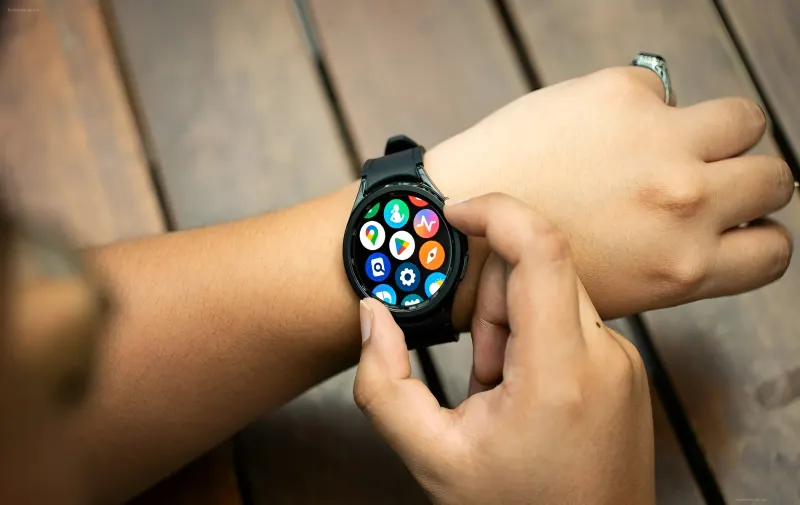
At the annual Google I/O conference, the tech giant officially unveiled Wear OS 7 — the latest version of the operating system for Android-based smartwatches. The key highlights of this update include deep artificial intelligence integration, improved media management, and new tools for developers.
RBC-Ukraine, citing BGR, explains why Wear OS 7 might have the upper hand over watchOS 26.
Autonomous Intelligence vs. iPhone Dependency
The main advantage of Wear OS 7 over competitors in the Apple ecosystem is the built-in support for Gemini Intelligence. Unlike Apple Watch running watchOS 26, where Apple Intelligence features (such as the AI Workout Buddy or Genmoji) require an iPhone to be nearby, Android-based watches will be able to process requests autonomously.
Artificial intelligence in Wear OS 7 automates routine tasks: users can order their usual takeout food or call an Uber along a regular route using voice commands. Additionally, the system has learned to transform conversational thoughts into structured, formatted text without the help of a smartphone.
Openness to Developers
Thanks to the new AppFunctions API tool, Google has opened access to Gemini capabilities for third-party developers. This will allow the integration of smart AI agents into any application.
Users will be able to give the watch complex, multi-step voice commands. For example: "Sign me up for yoga on Wednesday at 6:00 PM and remind me 30 minutes before." In comparison, the Siri voice assistant on Apple Watch currently only performs simple actions: starting workouts, playing tracks, or sending messages to a specific recipient.
Fitness Revolution and Media Control
Google aims to attract more creators of popular fitness programs (including iOS exclusives), so it is launching the Wear Workout Tracker platform. It provides developers with ready-made basic tools for measuring heart rate and tracking activity, which previously had to be built from scratch. The company has already announced a partnership with ASICS Runkeeper to implement new technologies. This move aims to address a problem in the Apple ecosystem, where third-party fitness apps are often restricted compared to the native "Workout" app.
Another drawback of Apple Watch, according to experts, is the confusing media management and lag when switching audio. In Wear OS 7, this system has been completely overhauled. Now, during music playback (e.g., on YouTube Music), the control interface automatically launches on the watch screen. The new Remote Output Switcher function allows users to redirect audio and switch output between wireless headphones, the smartphone itself, a living room TV, or a smart speaker elsewhere with a single click.
Currently, Wear OS 7 is in beta testing, and its full release on the first batch of commercial smartwatches is scheduled for the end of this year.


