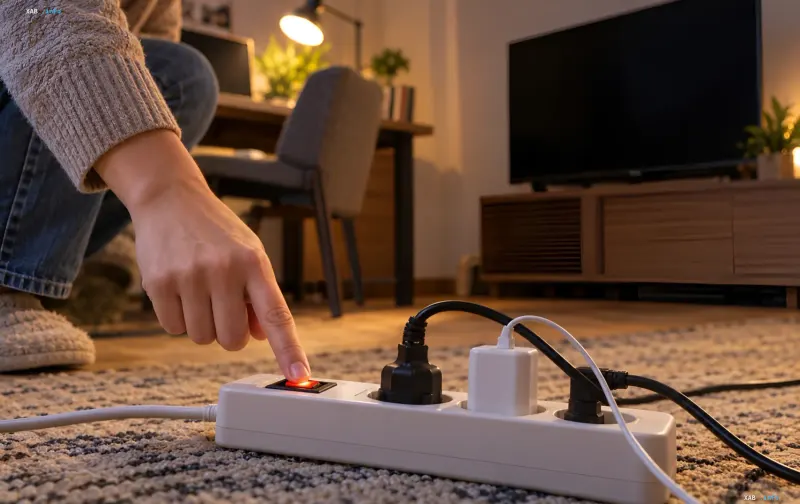
Washing machines, electric kettles, water heaters, space heaters, and refrigerators are appliances we can hardly imagine modern daily life without. However, they make up the bulk of the monthly electricity bill, especially during the cold season when heating and hot water systems are turned on. Styler publication, referencing data from the State Energy Inspection of Ukraine, has prepared a detailed breakdown of which devices put the heaviest load on the home power grid and how everyday habits can noticeably reduce electricity costs.
Power and Consumption: What Is the Difference
Before moving on to specific appliances, it is important to distinguish between two terms that are often confused. Kilowatts (kW) characterize the power of a device — meaning the rate at which it consumes energy at any given moment. Kilowatt-hours (kWh) reflect the amount of electricity consumed over a specific period. A 2 kW heater running continuously at full capacity for five hours will 'burn' 10 kWh. But if the appliance is equipped with a thermostat and periodically turns off once the set temperature is reached, the actual consumption for the same period will be significantly lower. From this comes an important conclusion: the most powerful appliance is not always the largest consumer over a month. An electric kettle runs for a few minutes, whereas a refrigerator is plugged in around the clock.
Heaters and Water Heaters: The Main 'Gluttons' of the Heating Season
During the cold period, a significant share of household energy consumption comes from space and water heating appliances. Electric convectors, oil-filled radiators, and fan heaters, according to preliminary data from the State Energy Inspection, have a capacity ranging from 1.2 to 2 kW. If such a device runs for several hours a day, electricity consumption quickly adds up. The water heater also requires attention: it turns on automatically when the water temperature drops, and even in standby mode, it can start up periodically. The State Energy Inspection recommends turning off the electric water heater if it is not used for a long time, and correctly choosing its capacity according to the family's needs — an overly large tank leads to unnecessary costs for maintaining the temperature.
Kitchen: Small Details That Provide Noticeable Savings
Kitchen appliances are turned on many times a day, so even small habit changes yield a tangible effect. The electric kettle does not necessarily need to be filled to the maximum mark: if you only need one cup of tea, it is enough to pour the corresponding amount of water. Regularly descaling the appliance also increases its efficiency. When cooking on an electric stove, it is important to use cookware with a flat bottom whose diameter matches or slightly exceeds the size of the burner — this allows for more efficient heat transfer. Additionally, it is worth considering residual heat: the burner continues to emit heat after being turned off, so some dishes can be brought to readiness without keeping the heat on. State Energy Efficiency specifically draws attention to electric ovens: if several dishes are being prepared, planning should be structured so as not to turn the oven on multiple times in a row.
Washing, Drying, and Dishes: How Not to Overload the Grid
Washing machines, dishwashers, and tumble dryers can create a significant load on the electrical grid, especially if they are all running simultaneously. State Energy Efficiency advises running the washing machine and dishwasher with a full load, but without exceeding the manufacturer's norm. Choosing a lower washing temperature — for example, 30 °C instead of 60 °C — reduces energy consumption because the machine requires fewer resources to heat the water. The tumble dryer should be used only when necessary: air drying outdoors consumes not a single kilowatt. It is also worth paying attention to the Eco mode if it is provided in the washing machine or dishwasher: such programs are designed for more economical resource use, although they take longer.
General Principles: From the Rating Plate to Conscious Consumption
The power of a specific device can always be checked on its rating plate or in the manufacturer's manual — the approximate figures provided by the State Energy Inspection may vary depending on the model and operating mode. Experts emphasize: appliances that convert electrical energy into heat generally consume the most. Therefore, the first step towards saving is to realize which devices in the house are the main consumers and adapt their usage. Simple measures — from turning off the water heater during an absence to choosing the Eco program on the washing machine — can collectively reduce monthly consumption by a noticeable fraction without losing customary comfort.