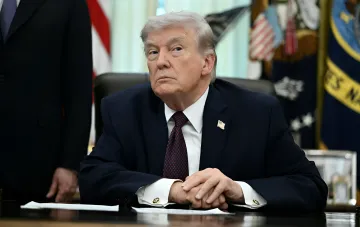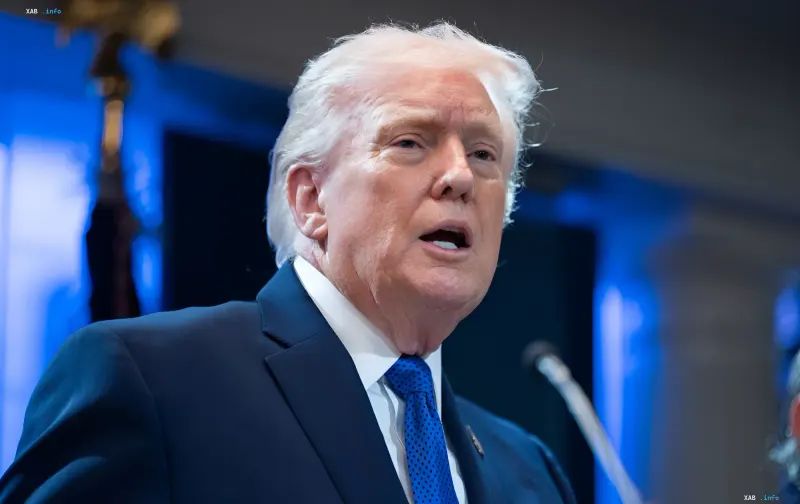
The administration of U.S. President Donald Trump has been developing a plan for months to govern the country bypassing Congress in the event that Democrats win control of the legislature in the November 3, 2026 midterm elections, according to Reuters. This was reported by a White House official and two sources familiar with the internal discussions. According to them, the president's team is not only preparing mechanisms to advance key points of its agenda through the executive branch, but is also bracing in advance for potential investigations into the administration's own activities.
Plan to Bypass Congress: Tariffs, Immigration, Housing, and Spending
According to Reuters, senior officials, working alongside the White House legal counsel since April 2026, have been identifying executive actions in immigration, tariffs, housing costs, and federal spending that Trump could enact without congressional approval. Measures under consideration include new import duties on critical minerals and wind turbines, stricter visa rules for foreign students and temporary workers, and initiatives to lower housing and construction costs. Budget Office Director Russell Vout, a source said, is exploring altering federal grant rules to give political appointees in the White House more leverage over budget allocations without going through Congress.
One source stated that White House adviser Will Scharf and his team are analyzing "what Trump can legally do on his own, where he might overstep his authority, and how to defend those decisions in court." Thus, the administration's lawyers are essentially mapping the limits of presidential power and developing mechanisms for the legal defense of future decisions.
The Paradox of the November 3 Elections
As Reuters emphasizes, this planning lays bare the paradox of the upcoming election. Having gained control of Congress, Democrats would be able to investigate Trump, block legislation, and restrict his spending priorities. However, even under this scenario, the president would retain broad executive powers in trade, foreign policy, and the federal bureaucracy, which he has already actively utilized during his second presidential term.
Trump himself has publicly outlined his tactics. In an interview with the New York Post, he stated that if Republicans lose control of Congress, he might issue vetoes for "a month or two" before moving on to compromises with Democrats. "I suppose I'll become Mr. Veto. And then, at some point, we'll probably be making deals," the president said.
Electoral Math and Polls
According to Reuters, Democrats need to pick up four additional seats in both the House and the Senate to overcome the narrow Republican majorities (218 to 214 in the House and 53 to 47 in the Senate). According to polls, Democrats are likely to take the House, while Senate election results remain uncertain.
Background: Corruption, Prices, and Iran
The context for these plans is also set by other signals. Weeks earlier, the Financial Times reported that U.S. voters are concerned about corruption within the Trump administration: according to polling, amid corruption, rising prices, and the war with Iran, the president's approval rating is falling. Concurrently, media reports emerged indicating that Trump could lean toward a large-scale military operation against Iran if the Republican Party fares poorly in the midterms.