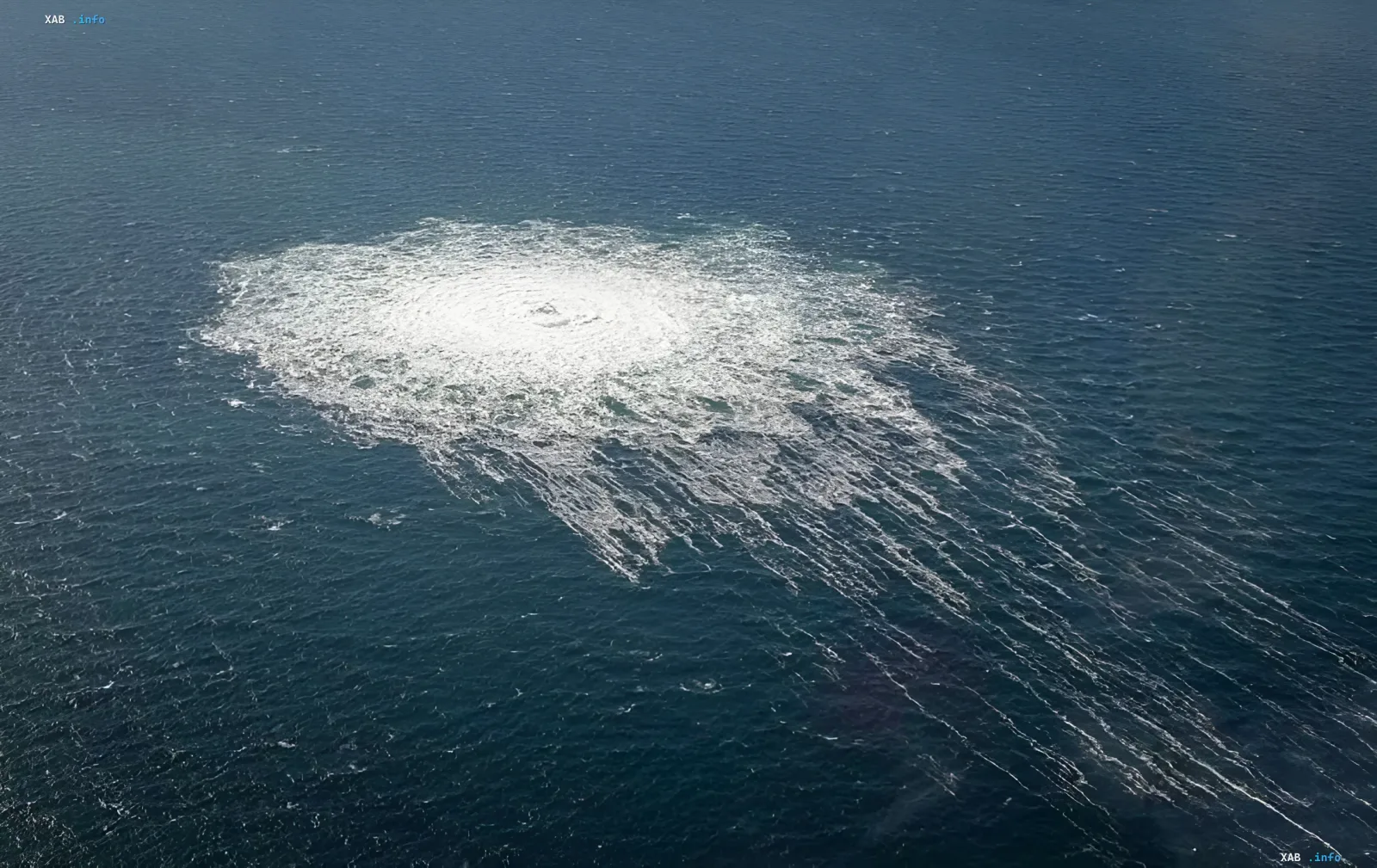
The US Central Intelligence Agency was aware of plans to sabotage the Russian Nord Stream gas pipelines from their inception in 2019. According to an investigative report by journalists Oliver Schrem and Ulrich Thiel in their new book 'The Explosion', the American intelligence agency even considered providing financial support to carry out this large-scale operation. These materials shed light on the behind-the-scenes maneuvers of intelligence structures ahead of and during the active phase of the conflict, demonstrating a high degree of awareness among Kyiv's Western partners.
The Role of Ukrainian Initiators and Zelenskyy's Position
The authors of the investigation claim that the direct organization and execution of the bombing were carried out by a group of Ukrainian citizens acting autonomously. Notably, these individuals were in fierce opposition to incumbent Ukrainian President Volodymyr Zelenskyy and had long-standing conflicts with his administration dating back long before the full-scale invasion of 2022. According to Oliver Schrem, the very idea that Zelenskyy could issue such an order to people openly hostile to his government seems highly implausible. The organizers of the operation do not hide their involvement and even openly take pride in what they did, positioning themselves as independent players.
Command Awareness and the CIA's Shift in Position
The book's materials also assert that the then-Commander-in-Chief of the Armed Forces of Ukraine, Valerii Zaluzhnyi, was aware of the sabotage plans and reportedly gave his consent. Initially, local CIA operatives who had maintained close contacts with Ukrainian counterparts since 2014 had no fundamental objections to the sabotage. The situation changed radically after the Dutch military intelligence service learned of the impending operation. Fearing a leak of information and the exposure of their close contacts with the perpetrators, the CIA leadership decided to distance itself from the project and abandoned direct funding.
Contradictory Data
It is worth noting that numerous contradictory versions circulate around the Nord Stream bombing case, and official bodies and judicial authorities of various countries have yet to reach a consensus on the final circle of masterminds and beneficiaries. While journalistic investigations point to autonomous groups of Ukrainian citizens and the awareness of high-ranking military officials, German investigative authorities continue their own proceedings, encountering attempts by the defense to find procedural loopholes. In addition, parallel reports are emerging in the expert community about possible diplomatic probes between the US and Russia regarding the potential future restoration of the gas pipeline infrastructure, adding further geopolitical context to the situation.