

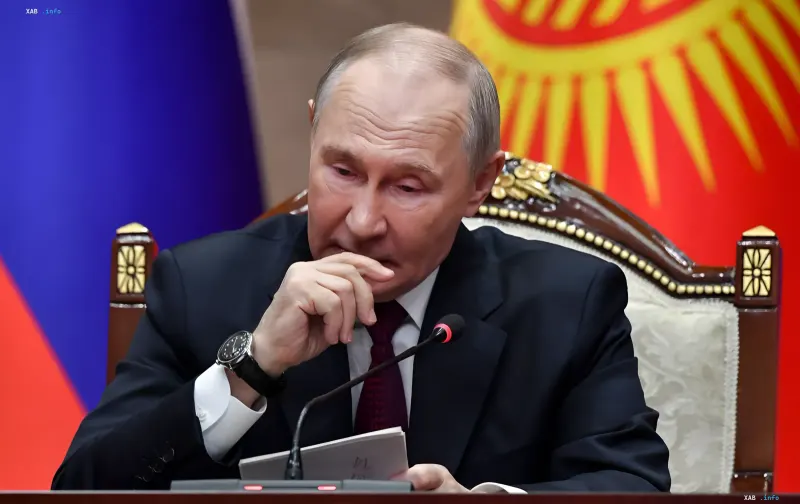
Despite clear signs of economic slowdown and sanctions pressure, the Russian leadership continues to maintain unprecedentedly high military spending. Experts from the Institute for the Study of War (ISW) have analyzed the situation and concluded that Vladimir Putin has no intention of reducing funding for the conflict with Ukraine, guided by specific perceptions of the current situation.
The Illusion of Imminent Victory
According to analysts, the key factor keeping the Russian leader on the course of continuing the war is the belief in the possibility of achieving his goals through military means in the near or medium term. The ISW notes that the Kremlin is ignoring increasing warnings from Russian economic officials about the critical strain the defense sector is placing on the national economy.
Experts link this stance to a distorted perception of reality on the front lines. According to the institute's findings, Putin is likely receiving exaggerated data on the Russian army's successes from the military command. This creates a false impression for the leader that Russia is on the verge of victory, which justifies in his eyes the necessity of maintaining high costs.
"Putin's incorrect understanding of the situation on the battlefield likely contributes to his insistence on maintaining high military spending and his determination to continue the war to achieve his goals through military means," the analysts explain.
Risks of Reducing Funding
In addition to illusions of victory, the Kremlin has pragmatic concerns. Analysts point out that a sharp reduction in defense spending carries serious risks for Russia. Against the backdrop of active Ukrainian strikes on military facilities in the rear and counterattacks by the Ukrainian Defense Forces, weakening funding could lead to a breakthrough on certain sections of the front.
In such a scenario, Ukrainian troops could build on their recent successes, further complicating the position of the Russian army. Thus, high spending is viewed by Moscow as insurance against a possible collapse on the front.
Economic Dead End
Meanwhile, the real economic picture looks different. According to Reuters, the Russian economy is slowing down under the impact of the war, Western sanctions, and the destruction of infrastructure due to Ukrainian drone attacks. Forecasts for the current year are modest: Russia's GDP growth will be only 0.4%.
Representatives of Russian business, interviewed by the agency, believe that the only effective way to stabilize the situation and support the economy would be to end the war and resume negotiations with the West. However, judging by the current rhetoric and actions of the Kremlin, Moscow is not yet ready for such a step, preferring to bet on a military solution to the conflict.


