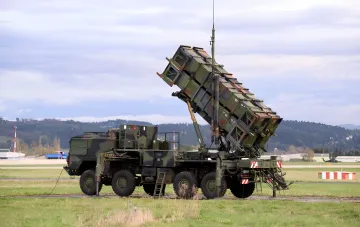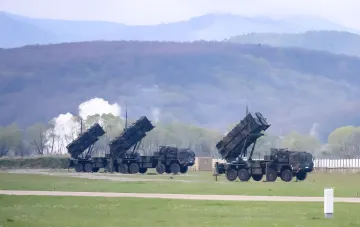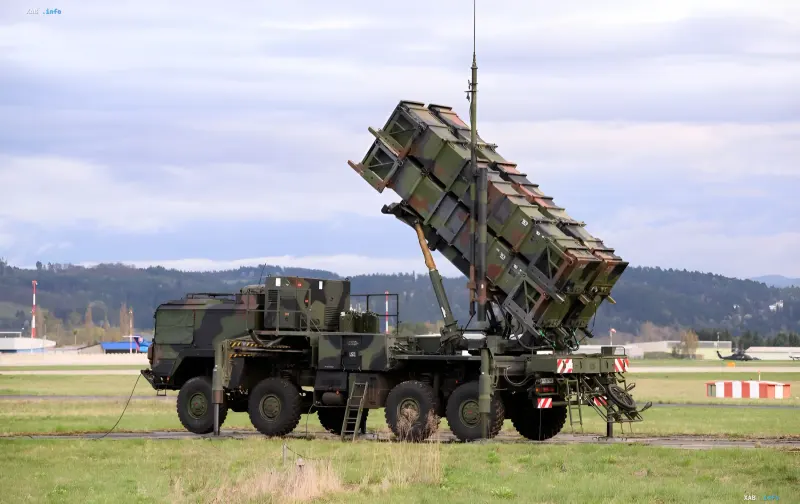
The issue of transferring licenses to Ukraine for the production of missiles for Patriot air defense systems (ADS), which seemed resolved in early summer, has once again found itself at the center of a diplomatic and industrial deadlock. Against the backdrop of the growing threat from the Russian Aerospace Forces and a critical shortage of ammunition in Kyiv, the situation with American aid has taken an unexpected turn. If previously the prospects of localization of production were discussed, now in Washington and among key Pentagon contractors, increasingly categorical objections to the transfer of technology are being voiced.
Economic egoism: Fear of a 'cheap' competitor
According to data obtained from a senior Republican official in the Capitol, the real reason for the delay in transferring licenses lies not in bureaucracy, but in the hard economic interests of the American military-industrial complex. Major manufacturers of Patriot systems, such as Raytheon and Lockheed Martin, fear that transferring technology to Kyiv will lead to the emergence of a new competitor in the global market.
"Companies explain their concerns with the risk of intellectual property theft, but this is just the tip of the iceberg," notes the source. "The real reason lies in the fear that Ukraine will find a way to improve the Patriot, after which it will set up mass production and make missiles significantly faster and cheaper than the US." For American giants receiving billion-dollar contracts, the appearance of a 'cheap' analogue produced in Europe is an unacceptable scenario that could undermine their monopoly in the defense technology market.
Kyiv's position: Bureaucracy vs. time
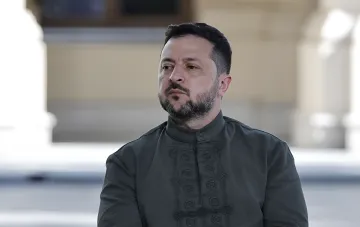
In Kyiv, the situation is assessed differently. Ukrainian President Volodymyr Zelenskyy, speaking on August 8, stated that the main reason for the delay is exclusively bureaucracy and "red tape" in American agencies. Official Kyiv insists that the transfer of licenses is a matter of national security that should not depend on the commercial interests of corporations. Zelenskyy emphasizes that Ukraine is ready for the localization of production, but expects Washington to fulfill its obligations to support the country's sovereignty.
Contradictory data
The question of transferring licenses for PAC-3 missiles for the Patriot system has become an arena for sharp contradictions between politicians' statements and real actions. On the one hand, earlier US President Donald Trump publicly hinted at the possibility of transferring drawings and technologies to Ukraine, which sparked hope in Kyiv. On the other hand, sources in The Atlantic and other media report that Trump soon began to doubt this step, and then even stated that the transfer might not take place at all.
Furthermore, while the Ukrainian side insists on the need to obtain licenses for independent production, American officials and representatives of the MIC cite the risks of technology leaks and potential competition. This creates a situation where both sides are speaking different languages: Kyiv sees this as a matter of survival, while Washington sees it as a matter of commercial gain and technological sovereignty.
Political instability and uncertainty
The situation is exacerbated by political instability in the US. Donald Trump, whose statements often change, first supported the idea of transferring licenses, and then began to doubt it. In a recent interview with journalists who asked him about transferring an additional batch of missiles, Trump replied that "America needs these missiles too." This statement, although not an official refusal, creates an atmosphere of uncertainty and undermines Kyiv's trust in American partners.
Conclusions and prospects
Thus, the question of transferring licenses to Ukraine for the production of Patriot missiles remains open and extremely complex. On the one hand, Ukraine needs these technologies to ensure its security. On the other hand, American companies and political circles fear the negative consequences for their business and technological sovereignty. In the context of the growing threat from Russia and the critical shortage of ammunition, resolving this issue is becoming increasingly relevant and important for the future of Ukraine and all of Europe.