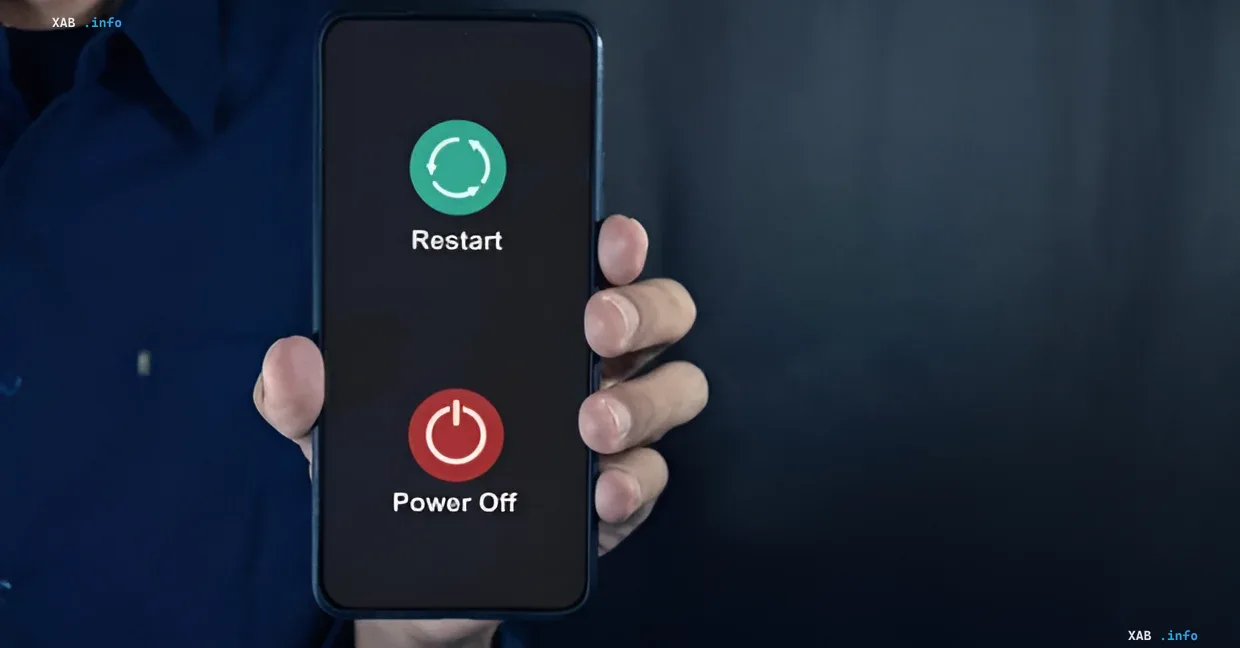
Many users only remember the need to restart their smartphone when the device starts to "lag" or freeze. However, experts claim that regular restarts are a kind of preventive check-up for a gadget. This procedure directly affects the device's "health," its performance speed, and security.
Recommendations from the US National Security Agency
There is no universal answer to the question of restart frequency, but there are authoritative recommendations. As part of the mobile security guide, the US National Security Agency (NSA) advises restarting phones — both iPhones and Android devices — approximately once a week.
Specialists explain that a weekly restart helps protect the device from malicious software and zero-click vulnerabilities. During a restart, malicious code is removed, and dangerous background processes that may have been activated without the owner's knowledge are stopped.
Impact on Performance and Battery
In addition to cybersecurity issues, regular restarting offers practical benefits for everyday use:
- Cache clearing: Temporary files that slow down the system over time are removed.
- Freeing up RAM: This prevents interface and app lag.
- Battery condition: Proper system operation has a positive effect on power consumption.
Who Should Restart Their Phone More Often?
While a weekly schedule suits most people, a daily restart is recommended for certain categories of users. This is relevant for owners of older smartphone models, especially those with a small amount of RAM (3-4 GB or less).
Daily restarting is also useful for those who:
- Rarely clean the list of installed apps.
- Do not monitor background processes.
- Do not update the operating system or do not have the opportunity to do so.
Adhering to simple gadget maintenance rules allows you to extend its relevance and maintain high performance even after years of use.


