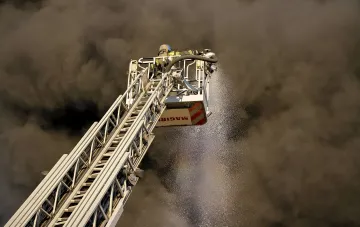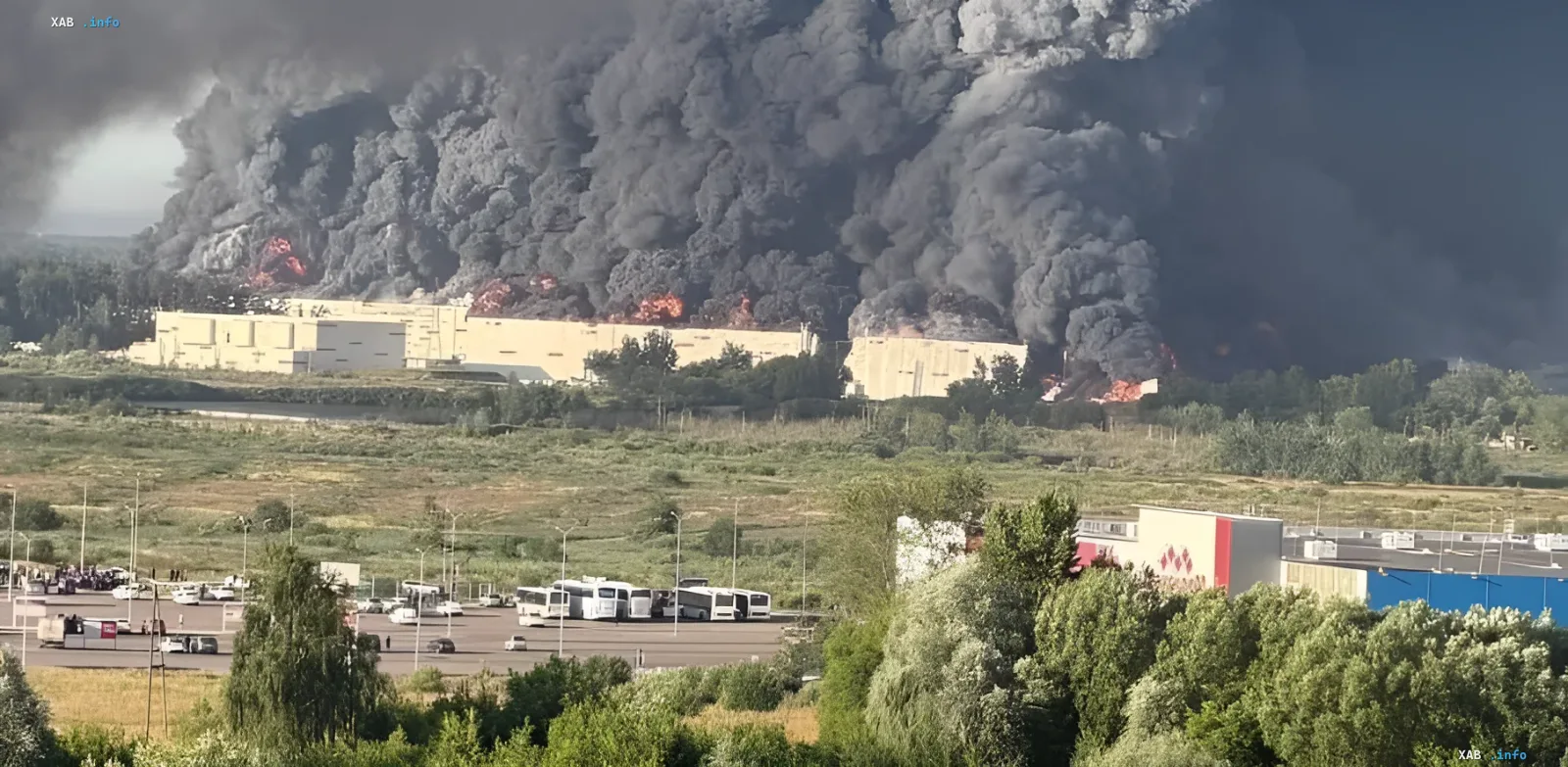
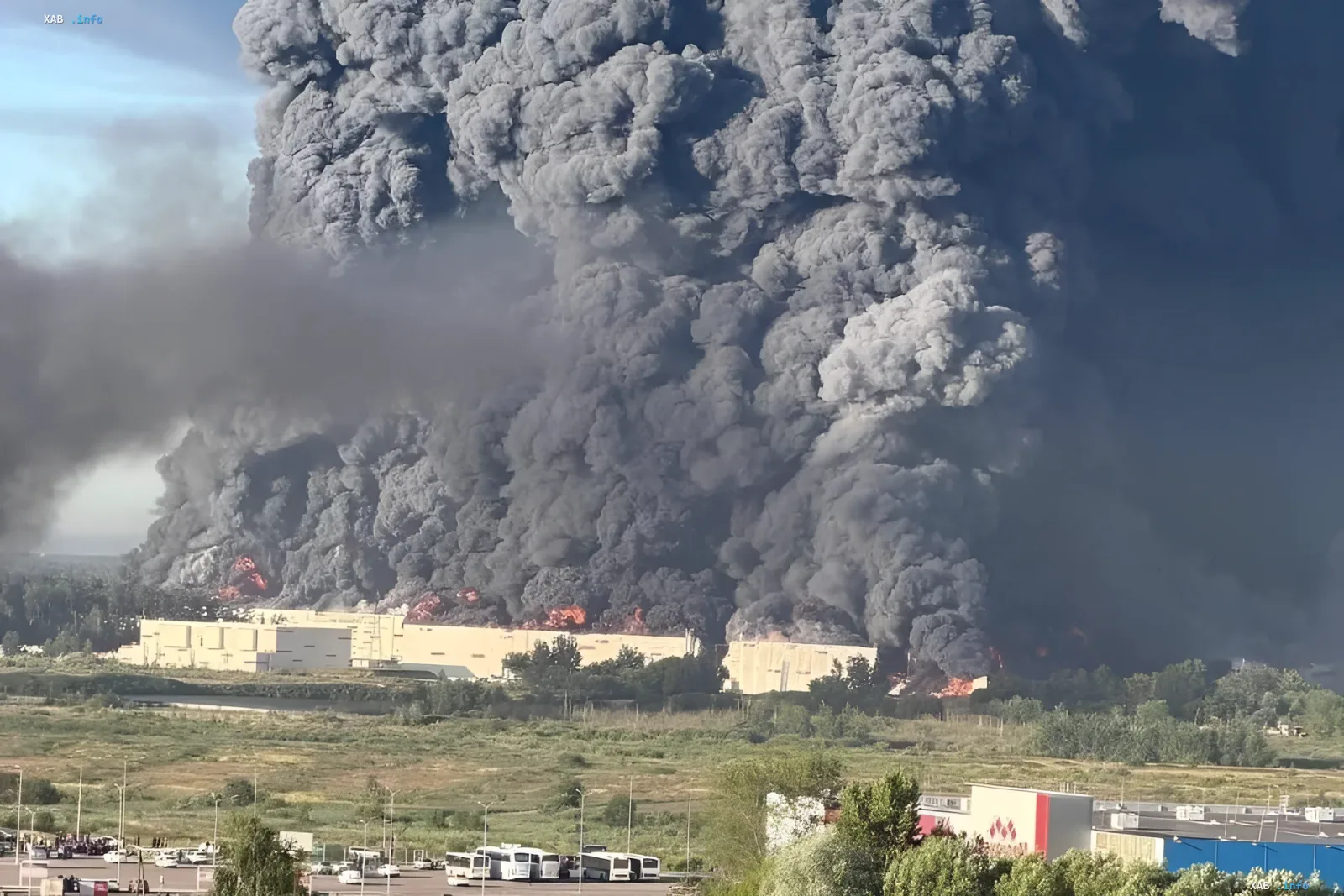
The night of July 18, 2026, became a turning point for Russian logistics and e-commerce. The largest distribution centers of the combined company Wildberries & Russ in Elektrostal and Kotovsk were attacked using unmanned aerial vehicles. Large-scale fires destroyed warehouse capacity, along with the stock of thousands of entrepreneurs.
However, for sellers, the blow proved to be double. If the physical damage was caused by fire, the financial damage was caused by a legal document signed earlier. The marketplace management confirmed that the losses of counterparties would be regulated by a new version of the offer that came into force just 11 days before the tragedy.
Legal trap: what changed in the offer
The key factor determining the fate of millions of rubles in remaining stock was the decision by the Wildberries administration on July 7, 2026. It was on this day that the updated version of the sales contract came into force. The changes affected the section on force majeure, where the conditions for exempting the operator from liability were detailed.
The list of force majeure now officially includes:
- Consequences of the use, crash, or launch of military equipment and weapons;
- Impact of aircraft, including UAVs and munitions;
- Consequences of shelling, explosions, and detonation of ammunition.
Sellers who continued to work on the platform after the update automatically confirmed their acceptance of these terms. Industry associations for small and medium-sized businesses note that such a practice was already implemented by a competitor — the Ozon marketplace — making the situation systemic for the entire e-commerce sector.
Economic consequences and the platform's position
According to preliminary estimates by independent auditors, the volume of destroyed goods at the warehouse in Elektrostal — one of the company's key hubs — could amount to tens of billions of rubles. Entrepreneurs report that their account cards have been zeroed out with no prospect of direct compensation.
Official representatives of Wildberries & Russ clarified the priorities in the distribution of funds. The company's primary financial obligations will be directed towards material assistance to the families of employees affected by the incidents. Issues regarding the settlement of losses for third-party suppliers will be considered exclusively through a claims procedure based on current contractual terms.
Corporate law specialists point to the difficulty of judicially challenging these clauses. According to Article 401 of the Civil Code of the Russian Federation, a person is not liable for non-performance of obligations if they prove the existence of force majeure. Including specific factors (including the crash of a UAV) in the text of the contract transfers these risks to the category of agreed force majeure grounds, making the chances of a successful lawsuit minimal.