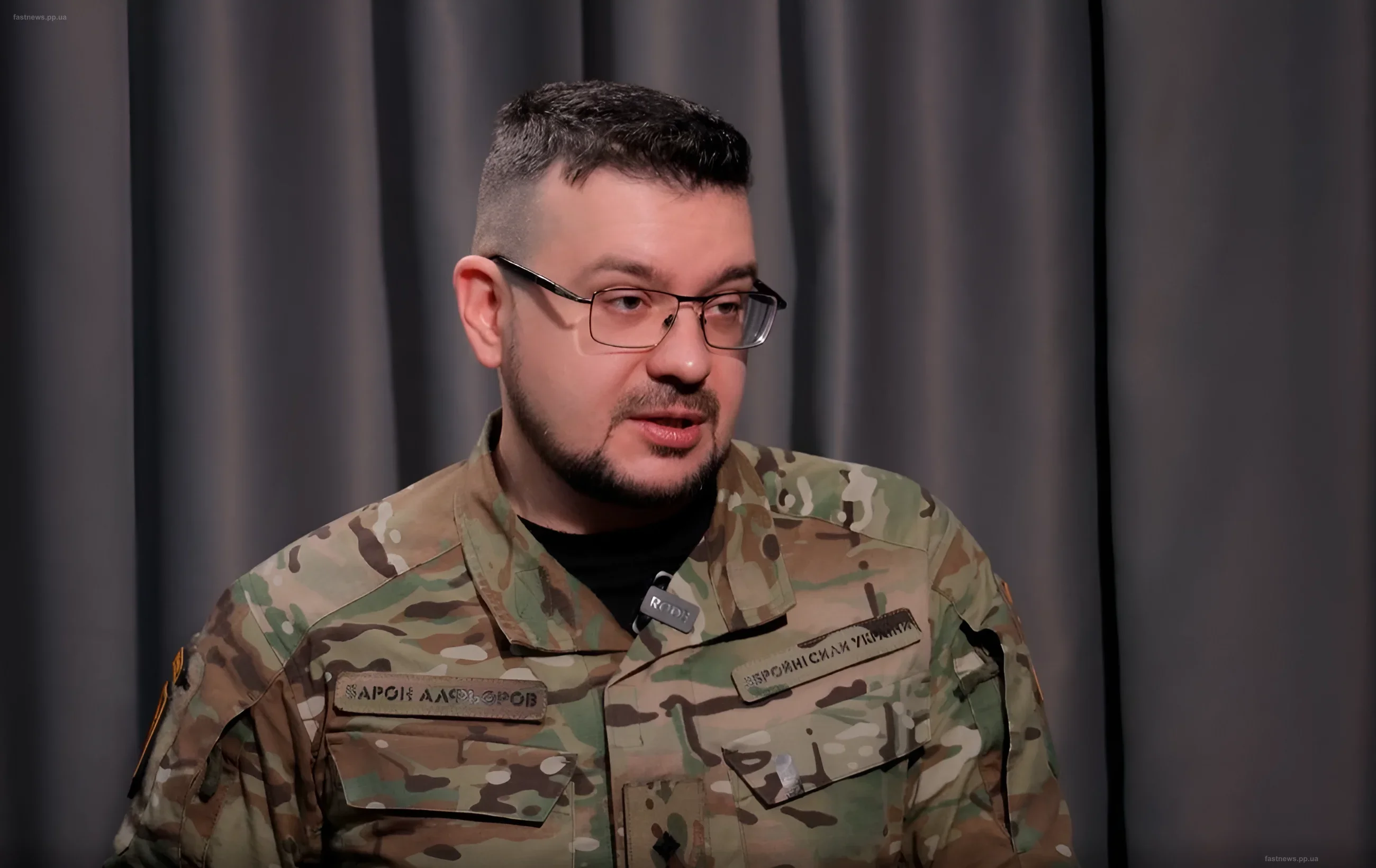
Questions of historical justice and the return of the remains of prominent figures of the Ukrainian national liberation movement are at the forefront of the agenda. The Head of the Ukrainian Institute of National Remembrance (UINR), Alexander Alferov, confirmed that reburial work is being carried out on a large scale and covers hundreds of individuals.
Strategy of Interagency Cooperation
During a televised marathon, Alferov revealed details of the complex process. It is not just about transporting remains but about large-scale institutional work requiring the coordination of efforts of numerous agencies. The Ministry of Foreign Affairs, UINR, the President's Office, the Ministry of Veterans, the State Border Guard Service, as well as public organizations and descendants are involved in this process.
Special attention is paid to legal aspects. Experts analyze the legislation of both Ukraine and foreign states to ensure the legitimacy of actions at the border.
Stepan Bandera and Other Figures
Among the names discussed is Stepan Bandera — the head of the revolutionary wing of the Organization of Ukrainian Nationalists. Alferov confirmed that the issue of his reburial is under active consideration, but the decision requires careful preparation and coordination.
The process has already begun to yield first results:
- Ukraine has received official permission for the reburial of Yevhen Konovalets, the first chairman of the OUN, whose remains rest at the Crooswijk cemetery in Rotterdam.
- On May 25, a solemn reburial ceremony of Andriy Melnyk and his wife took place at the National Military Memorial Cemetery (NMCM), marking the first step in returning fighters for independence to their homeland.
New Rules for Military Personnel
Alongside issues concerning historical figures, modern tasks are also being addressed. The Verkhovna Rada recently adopted a decision allowing the burial of military personnel with criminal records at the NMCM. This legislative change opens new possibilities for burying soldiers whose service was associated with special circumstances.


