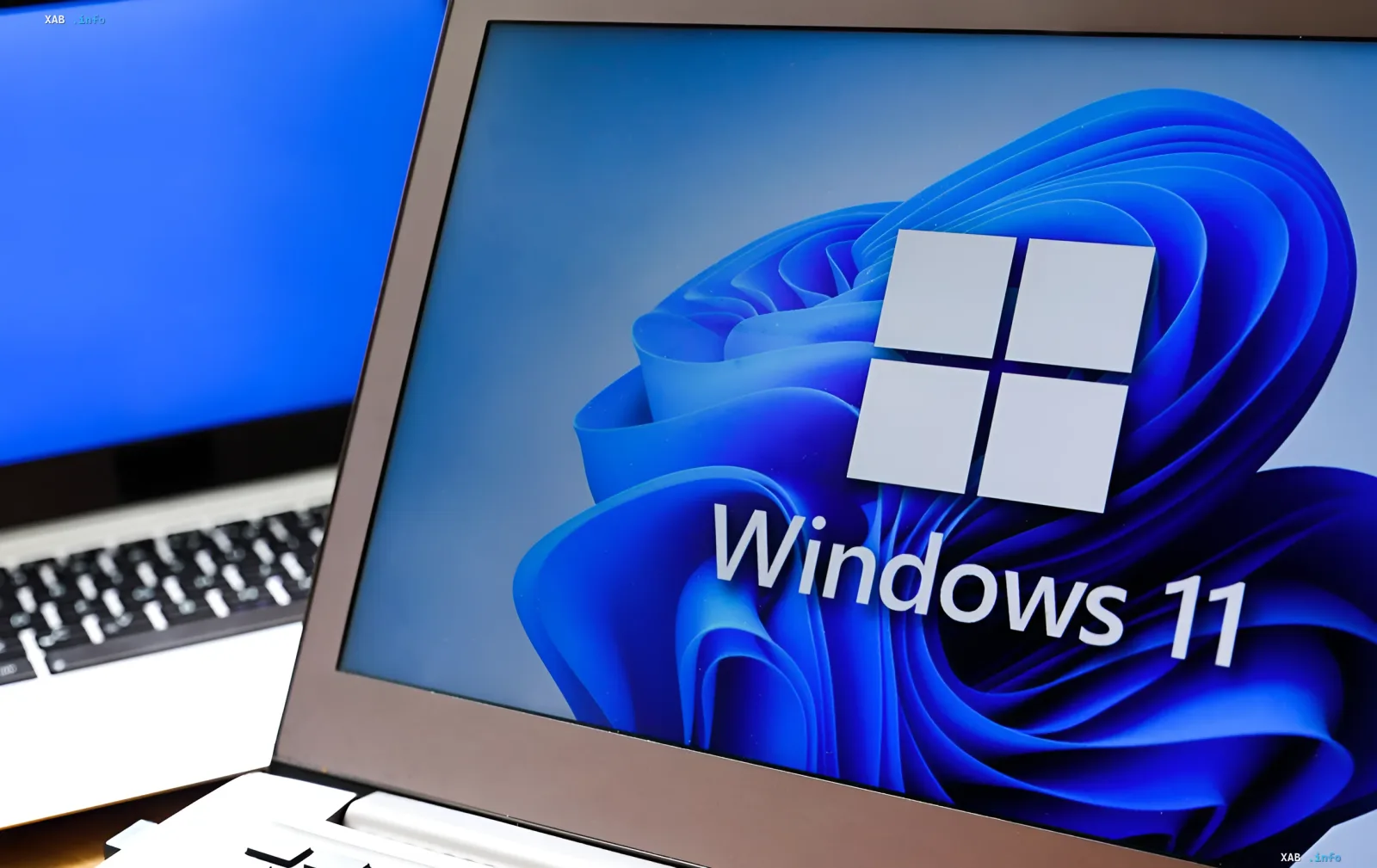
Microsoft has officially released a major June update for the Windows 11 operating system. The main innovation of this release is the Low Latency Profile feature, which addresses one of the most pressing issues for users — interface lag and stuttering. The technology, previously available only to a limited circle of testers, has now moved into the main stable branch of the system.
How Low Latency Profile works
The new function is designed to make working with the operating system instant and responsive. The mechanism of the technology is based on a short-term CPU boost. At the moment of user interaction with the interface — for example, when clicking to open the Start menu or launching an application — the system automatically increases the processor's clock speed.
This pulse lasts from 1 to 3 seconds, allowing it to overcome traditional delays and "freezes" that users have encountered for years, especially when working with File Explorer. Developers emphasize that the technology works completely in the background: there are no special switches or visual indicators in Windows 11 settings to activate it.
Who is this for?
The greatest benefit from the implementation of Low Latency Profile will be felt by owners of older or weak hardware configurations. It is on such devices that interface delays were most noticeable. Owners of powerful modern computers will probably not notice a significant difference, as their hardware copes with tasks without forced overclocking.
How to check for the update
The new feature is distributed automatically along with the mandatory security package. To ensure that your computer has received the optimization, you need to check for the presence of cumulative update KB5094126 in the "Settings" > "System" > "Windows Update" section. Its installation will automatically activate the feature.
You can also check the operating system build number in the "Settings" > "System" > "About" tab. If it shows version 26200.8655 (for Windows 25H2) or 26100.8655 (for Windows 24H2), it means that the necessary components are already installed.
If the patch has not yet appeared in the list of available updates, this indicates a phased rollout of the release. Microsoft distributes the update in waves, so some users get access to it later. For those who do not want to wait for the automatic download queue, there is an option to download the package manually via the official Microsoft Update Catalog, after verifying your OS version.


