Traditionally considered the last warm month of autumn in Ukraine, October can see its daily routine radically altered by frost, heavy snowfall, and black ice by the end of the month. In 2026, standard seasonal challenges are compounded by specific factors: massive power outages, air raid alerts at any time of day, and fluctuating fuel station prices. That is why experts recommend using the remaining warm days to systematically prepare your car for winter — from building a fuel reserve to checking the battery and tire set.
Fuel Reserve: How Much and How to Store It
Fuel market analysts do not anticipate a massive shortage of gasoline, diesel, or auto gas for the upcoming winter. According to their assessment, an efficient and flexible fuel supply system has been established in Ukraine since 2022, capable of withstanding local logistics disruptions. However, short-term interruptions in certain regions cannot be entirely ruled out. Serhii Kuyun, director of the A-95 consulting company, notes that if it is critical for a driver to fill the tank to the brim at the first opportunity, it is wise to create a small reserve equivalent to one or two weeks of driving. The container must be metal or certified plastic approved as safe at filling stations; glass and homemade containers are strictly prohibited. According to the Fire Safety Rules in Ukraine (Ministry of Internal Affairs Order No. 1417, Section VI, paragraph 11.3), storing no more than 10 liters of flammable and combustible liquids is permitted in residential premises. If the reserve is planned to be stored for more than half a year, adding a fuel stabilizer is recommended to preserve volatile fractions.
Battery: The Most Vulnerable Element in Frost
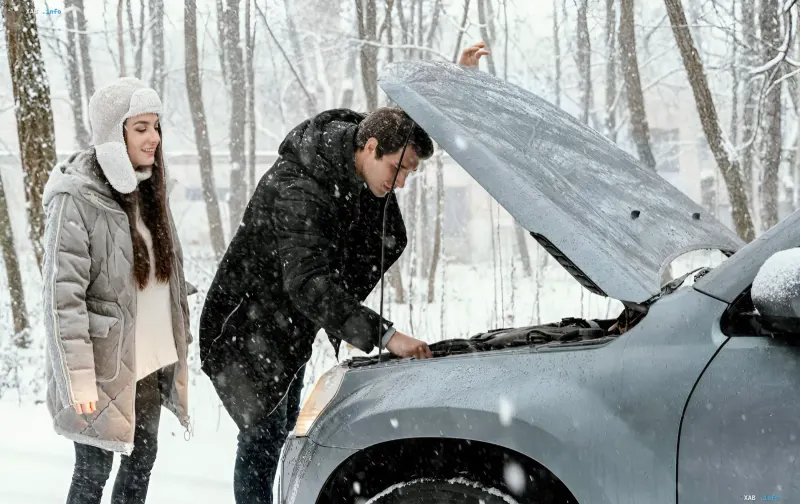
Winter remains the toughest test for any fuel-vehicle starter battery. In the cold, the battery delivers less power and accepts charge more slowly, meaning it is likely to remain in a state of chronic undercharge. This is compounded by a host of additional loads: double starting current during cold engine starts, simultaneous operation of window and seat heaters, headlights, windshield wipers, and other consumers. All this often happens against the background of driving at low RPMs — in traffic jams, fog, or slippery roads — when the alternator fails to compensate for consumption. Chronic undercharge rapidly destroys the plates, especially if the battery is no longer fresh. For initial diagnostics, two measurements are sufficient: after overnight rest, a healthy and fully charged battery should read at least 12.5–12.6 volts, while with the engine running, the voltmeter should register 13.8–14.4 volts. If the readings are lower, an auto-electrician should make the final verdict; in some cases, recharging from a stationary charger is enough, though it requires a 220V outlet — which is not always available during blackouts.
Winter Tire Set: Assess Condition Before the First Snow
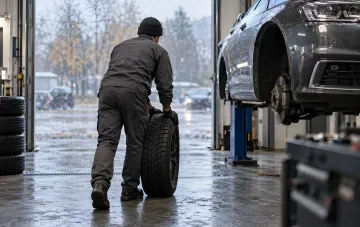
One of the key tasks in October is preparing the winter tire set. Putting them on while temperatures are still positive is too early, but assessing the condition of the tread, sidewalls, and overall lifespan in advance is essential. A bald tread, sidewall deformations, or lost markings are all reasons to consider replacement before lines at tire shops begin. Given that demand for this service surges sharply in late October and early November, timely diagnostics help avoid stress and lost working time.
Final Checklist: What to Do Before the End of October
The set of measures that experts advise completing before steady frosts arrive is as follows: ensure a small fuel reserve in a certified container is available (no more than 10 liters in an apartment); check battery voltage at rest and under load, recharging if necessary; inspect winter tires for wear and deformations; and check the operability of windshield wipers, washers, and the interior heating system. Carrying out these points does not require significant costs, but significantly reduces the risk of finding yourself in a situation where the car won't start in the frost, fuel runs out on the road, and the nearest gas station is overwhelmed with queues. Under the conditions of the Ukrainian winter of 2026, combining natural and infrastructural challenges, such preparation ceases to be an option and becomes an element of basic safety.