
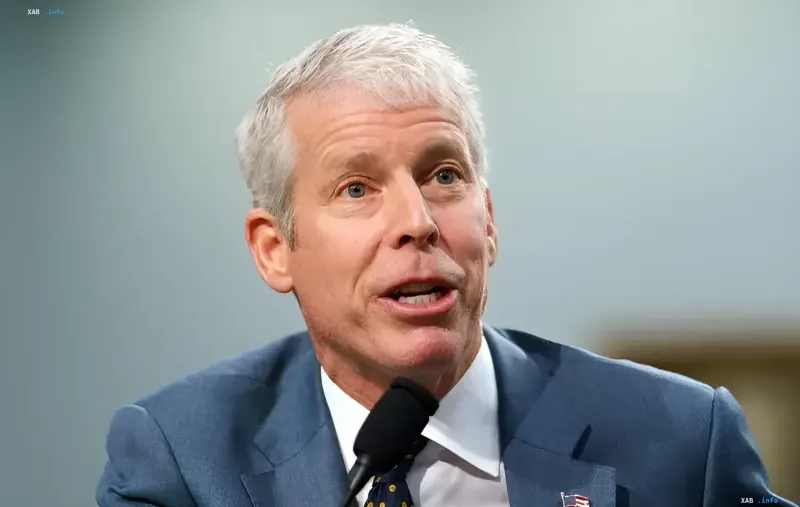
In London, at the international conference "Alliance for Responsible Citizenship" (ARC 2026), a sharp debate unfolded regarding the future of global energy. The central event of the forum was the speech by US Energy Secretary Chris Wright, who criticized the current pace of global decarbonization, questioning the priorities of the climate agenda.
The head of the US department, confirmed in his position in February 2025, shifted the focus of the discussion from long-term climate forecasts to the harsh reality of current energy security. In his speech, Wright used hard statistics, pointing out that indicators of excess mortality during the winter period traditionally exceed similar markers of the summer season.
The Price of the 'Green' Transition: Lessons from 2022
The Secretary's key argument was the macroeconomic and humanitarian experience of Europe. Wright referred to the events of 2022, when, against the backdrop of changing logistics chains and the cessation of stable energy supplies from Russia, wholesale prices for gas and electricity reached historical highs.
In the opinion of the American official, the resulting shortage of affordable heat had a more destructive impact on public health indicators in the region than long-term climate change. Wright emphasized the vulnerability of the least protected layers of the population to the sharp rise in utility tariffs, asserting that a hasty abandonment of fossil fuels could destabilize national energy systems.
Washington's Position vs. the Consensus of Climatologists
The Secretary's speech coincided with the recording of extreme temperature regimes in a number of European states, which made his theses particularly resonant. However, the White House position met resistance from European health institutions and relevant climatologists.
Experts criticized Wright's theses, pointing to the risks associated with underestimating summer excess mortality in conditions of urbanization. According to data from the World Health Organization (WHO), although mortality from hypothermia has a stable seasonal nature, modern heatwaves demonstrate a higher dynamics of growth in peak loads on medical support systems.
Thus, at the ARC 2026 conference, a clear divergence in approaches to assessing threats emerged:
- US Administration sees the main danger in the shortage and high cost of thermal energy during the winter period, proposing support for traditional generation and diversification of fossil fuels.
- EU Departments and the Scientific Community focus on the risks of extreme waves of summer heat, insisting on accelerating carbon neutrality (Net Zero) and the development of renewable energy sources (RES).
Energy Sovereignty as a New Doctrine
Although official comments from relevant European Union departments have not yet been received, analysts note that the current course of the White House administration is aimed at revising global climate agreements. According to the regulations of the US Department of Energy (DOE), the department focuses on increasing the export potential of the American energy sector.
In particular, supplies of liquefied natural gas (LNG) are viewed by Washington as the basis for ensuring the energy resilience of partner countries. Chris Wright, speaking on a platform for consolidating conservative political circles, effectively proclaimed the priority of affordable energy over ideological climate goals, which could radically change the landscape of international energy relations in the coming years.


