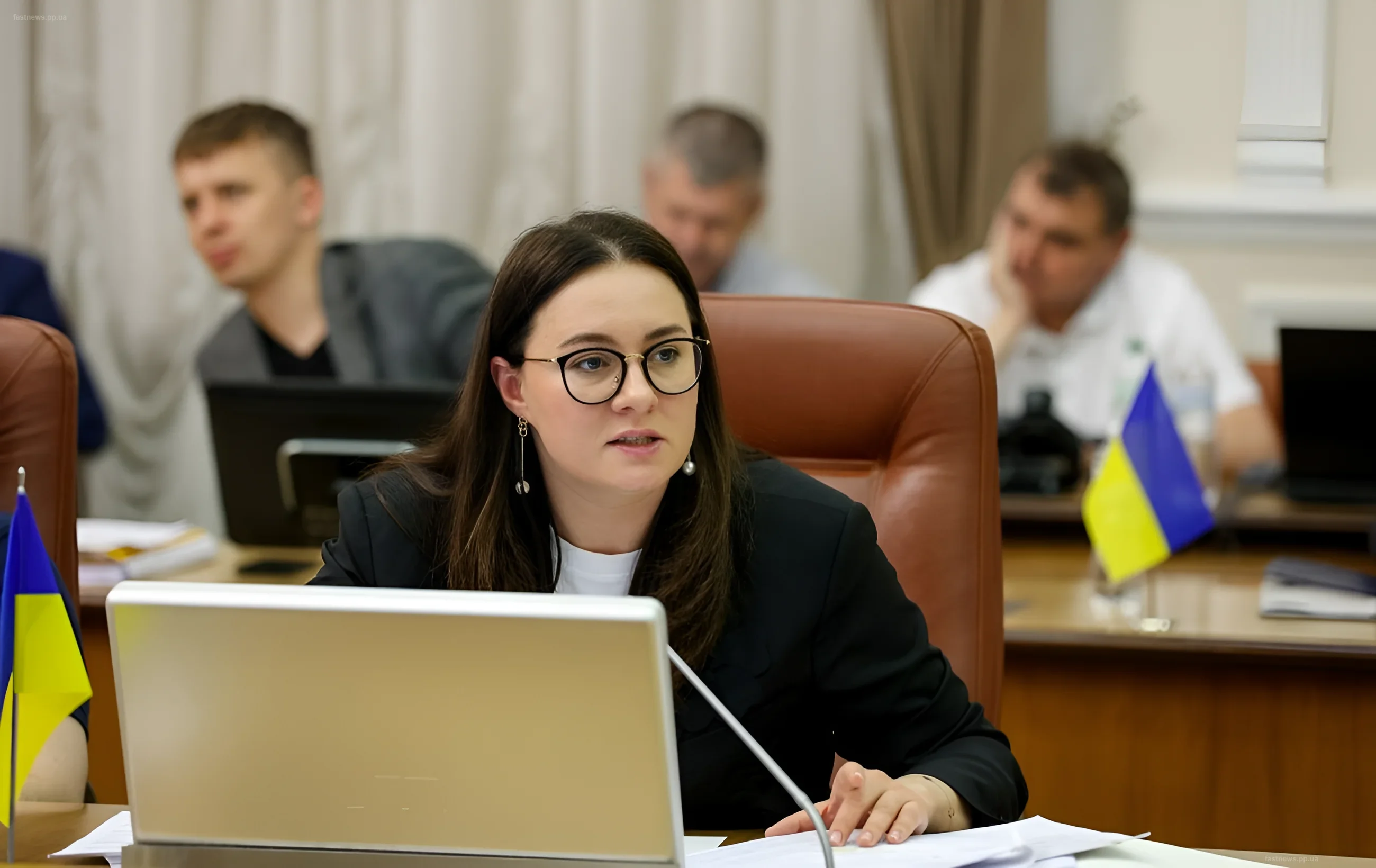
In a situation where every second on the front line is critical, the state machinery must operate faster than ever before. The Cabinet of Ministers of Ukraine has made a decision to remove one of the main bureaucratic obstacles for the defense industry: now, critically important enterprises will be able to lease state property without conducting long and complex auctions.
This measure, effective for the duration of martial law, is designed to give Ukrainian arms manufacturers the "green light" to scale up production. Prime Minister Yulia Sviridenko emphasized that the mechanism was developed specifically for those who provide the Defense Forces with vital weaponry — from missile systems to explosives.
Who Qualifies and Who Does Not
It is important to understand: this is not a general amnesty for business. The preferential leasing regime is a privilege for the chosen few. The right to receive premises or equipment without a tender is available only to companies recognized as critically important for the economy and already entered into the Ministry of Defense's registry of government contract performers. This approach allows resources to be focused on those who are actually working for the front.
The goal is simple and clear: to accelerate the launch of new production sites. As the head of government noted, Ukrainian manufacturers have huge potential to increase volumes, and removing administrative barriers will turn this potential into a real advantage on the battlefield.
Money and Technology: Where the Resources Come From
Simplified leasing is only one piece of the puzzle. Financial support for the defense industry is also at an all-time high. The Cabinet of Ministers has allocated almost 11 billion hryvnias for defense needs. Notably, a significant portion of these funds (10.8 billion UAH) has been accumulated in a special fund from taxes and licensing fees from the gambling business.
The distribution of funds is clearly demarcated: 9 billion hryvnias will go towards the procurement, repair, and modernization of equipment, while almost 2 billion will be used to scale domestic production and implement innovations. This is a direct signal to the market: the state is ready to invest in technological sovereignty.
Global Context and New "Flamingos"
Ukraine's defense industry is not closing in on itself but is actively integrating into the global defense system. Joint projects for the production of unmanned aerial vehicles are launching with Norway, the Netherlands, Romania, and Germany. The model is simple: Ukraine provides combat experience and technology, while partners provide financing and production capacity.
At the same time, domestic power is growing. The private sector is already producing three "Flamingo" missiles per day. However, a real breakthrough is expected after enterprises fully switch to engines of their own design. The combination of simplified leasing, financial injections, and a technological leap creates conditions for unprecedented growth in the defense sector.


