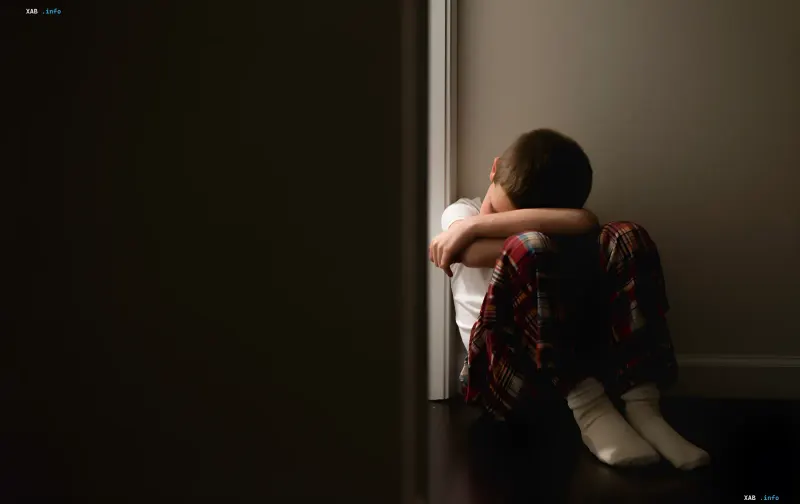
Domestic violence against children is a concept much broader than just physical beatings. According to clarifications by the Ministry of Justice of Ukraine, published by RBK-Ukraine, violence includes constant insults, threats, neglect of the child's needs, and even an atmosphere of fear prevailing in the family. Moreover, the law recognizes as a victim not only the one subjected to direct actions but also a child who witnessed quarrels, fights, or threats between relatives.
Psychological trauma from living in a tense environment causes no less damage than physical impact. Specialists emphasize: no child should be left alone with such a situation. The state guarantees protection, and the law clearly defines forms of violence and mechanisms of assistance.
Forms of Domestic Violence: From Blows to Inaction
Legislation highlights several key types of violence that can be directed against a minor:
- Physical violence: hitting, pushing, any actions causing bodily injury and physical pain.
- Psychological violence: threats, humiliation, insults, constant criticism, intimidation, or ignoring emotional needs.
- Economic violence: depriving a child of food, clothing, medical care, or other conditions necessary for normal development.
- Sexual violence: any actions of a sexual nature in relation to a child or coercion to them.
Special attention is also paid to the inaction of adults. If parents or guardians do not provide the child with proper care and safety, this is also classified as a form of domestic violence.
Where to Seek Help: Phone Numbers and Action Algorithms
In case of a threat to the life or health of a child, you must first call the police at 102. Law enforcement officers are obliged to intervene promptly and take measures to protect the minor.
To receive specialized support, the National Hotline on Combating Domestic Violence operates. Calls are free and accepted at numbers 116123 or 0800500335. Operators can provide assistance and, if necessary, transfer information to competent authorities.
Children have the right to receive all types of legal services within the framework of the free legal aid system. Consultations are available:
- By phone: 0 800 213 103.
- Via Telegram in the chat "Free Legal Aid (Consultations)".
- In direct messages on Facebook and Instagram (work is carried out on weekdays from 08:00 to 18:00).
- In person at the nearest legal aid bureau (operating throughout Ukraine, excluding combat zones).
Protection Mechanisms and Liability
A child or their legal representative can apply to the court for the application of special protection measures. One of the tools is a prohibition order against the abuser. It may include a ban on being in the place of joint residence or contacting the victim.
Furthermore, the court may issue a restraining order establishing additional barriers, for example, a ban on approaching the child or communicating with them. Depending on the severity of the circumstances, the person who committed the violence is held administratively or criminally liable.
How to React if a Child Reports Violence
The reaction of adults at the moment when a child confides information about violence is critically important. Specialists advise first listening to the minor, letting them know that they are believed, and assuring them that they are not to blame for what happened. The child needs to be explained that they have the right to protection, and to contact specialized specialists as soon as possible.
Protecting children from domestic violence is the responsibility not only of parents but also of teachers, medical workers, law enforcement officers, social services, and society as a whole. Against the backdrop of these issues, the Ministry of Social Policy of Ukraine announced problems with the accessibility of social services for children. After monitoring, it turned out that only a small part of communities provide a full basic package of support, which led to the start of comprehensive inspections of the social protection system throughout the country.
In addition to physical violence in the household, the police also warn about the risks of cyber-grooming — when adults through social networks and messengers gain the trust of children, posing as peers. Law enforcement agencies urge parents to teach children the rules of safe behavior on the internet, control privacy settings, and maintain a trusting dialogue with them.