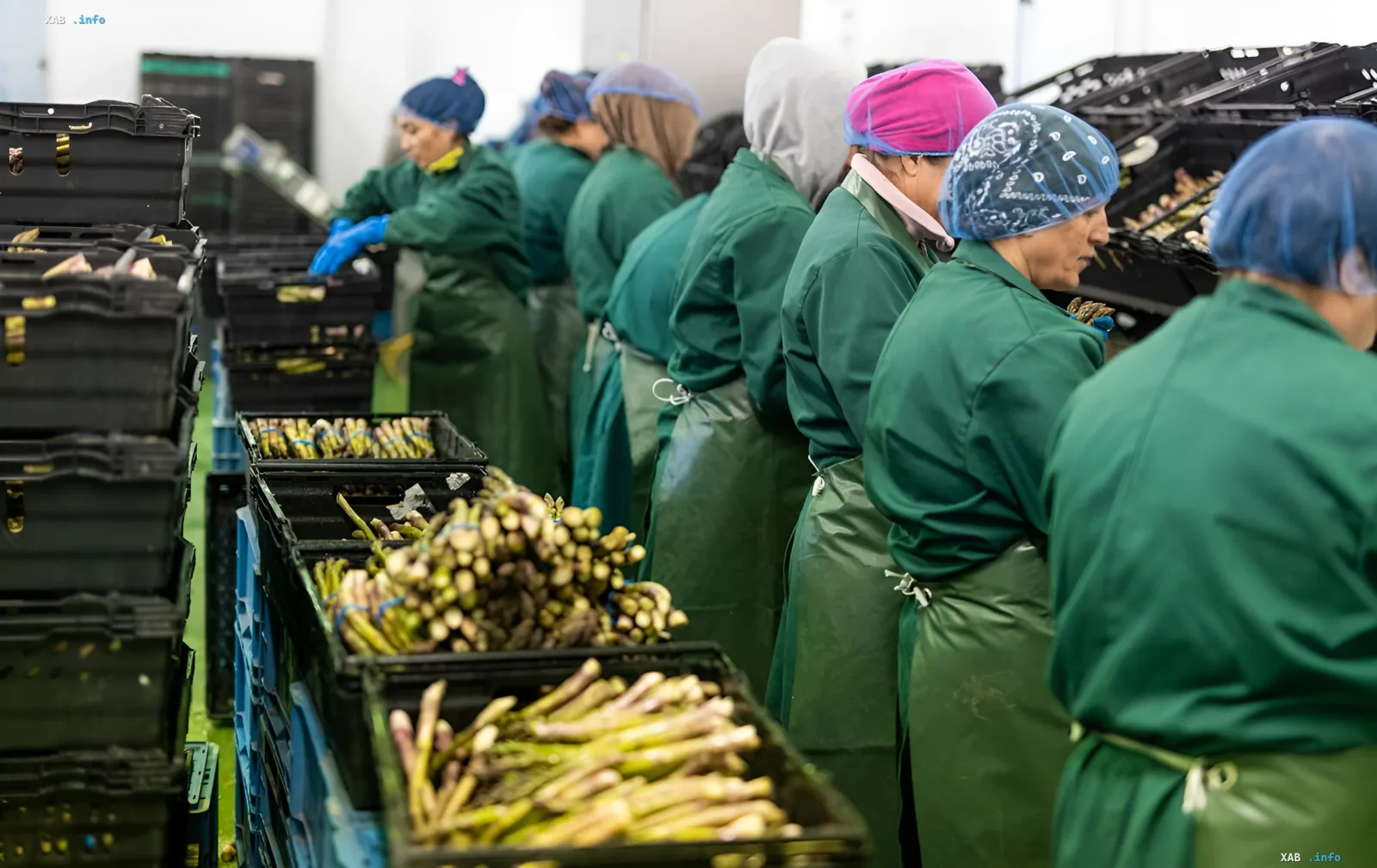
The Polish labor market is undergoing a massive transformation. If Ukrainian citizens were the dominant force among labor migrants just a few years ago, today there is a clear trend of replacing this group with workers from Asia and South America. Experts note that the replacement process is already in full swing, and many Ukrainians leaving the country may find that their old jobs have already been taken.
New Migration Vectors
Michal Solecki, CEO of Worksol Group, confirmed that Polish employers are actively restructuring their HR policies. The shortage of labor, previously filled by Ukrainian specialists, is now being addressed by attracting migrants from other regions of the world. According to the expert, the market is reacting to these changes quite quickly.
Statistics confirm this trend. In the first half of 2024, more than 173,000 work permits were issued, with the overwhelming majority going to citizens of countries not part of the European Union. The flow of specialists from Nepal, India, and the Philippines is growing particularly rapidly. Currently, around 30,000 citizens of Colombia and the Philippines are officially working in Poland, and this figure continues to rise.
Ukrainians Remain Leaders, But Share Is Declining
Despite the active influx of new migration streams, Ukrainians still constitute the largest group of foreign workers. As of September 2024, their number reached approximately 779,000 people. However, their share in the overall pool of hired workers is gradually decreasing.
In total, the number of officially employed foreigners in Poland exceeded 1.17 million people. This is a figure six times higher than it was ten years ago. Nevertheless, some Ukrainians are leaving the country, returning home or moving to Western European countries in search of higher wages and more comfortable living conditions.
Risks of Returning to "Old Jobs"
The situation creates certain risks for Ukrainians planning to return to Poland. Vacancies that were previously available to them, especially in sectors requiring simple physical labor, at manufacturing plants and warehouses, as well as machine operator positions, are increasingly being filled by migrants from other regions.
The demand for personnel to perform routine tasks remains high, but the competition for these positions is changing. Employers, accustomed to Ukrainian labor, are adapting to new realities and actively hiring specialists from overseas.
Changing the Rules of the Game
In addition to labor market competition, Ukrainians face administrative changes. Starting March 5, 2026, new rules for staying in Poland will come into force. This involves the introduction of a new three-year CUKR residence card, as well as new conditions for the PESEL UKR status regarding access to healthcare and employment.
Furthermore, some migrants will have to undergo a document verification procedure. Without confirming the legality of their status, citizens risk losing the right to stay in the country. These measures, superimposed on the changing workforce landscape, create a new reality for labor migrants in Poland.


