
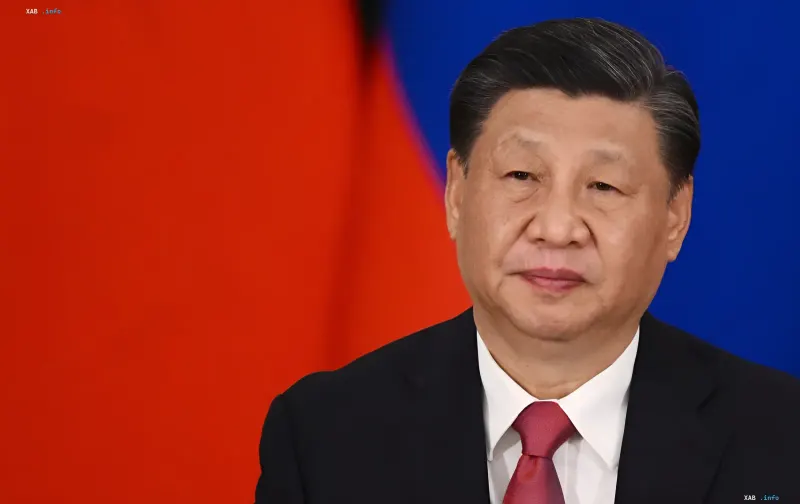
On the eve of the 105th anniversary of the Communist Party of China (CPC), Chinese President Xi Jinping delivered a speech addressing one of the most pressing issues in modern geopolitics — the fate of Taiwan. Speaking to party members, China’s leader described the island’s return as an “unchanging historical mission” and a shared aspiration of the entire Chinese people.
Threat of foreign interference
In his address on July 1, Xi Jinping called for resolute opposition to any attempts by external forces to interfere in the Taiwan issue. Although no specific countries were named in the speech, the context suggests that Beijing is referring to the United States and its allies, who have traditionally supported Taiwan’s sovereignty.
Anti-corruption efforts and military modernization
Beyond territorial ambitions, the Chinese leader emphasized domestic policy. Xi Jinping stated that combating corruption within the ranks of the Communist Party remains a top priority, especially in light of a recent scandal involving the upper echelons of China’s military. He also pledged to strengthen and modernize the armed forces, vowing to “maintain the Party’s absolute leadership” over the military.
“We must advance the modernization of national defense and the armed forces,” he stressed. However, analysts express doubts about the ability of China’s military to effectively conduct combat operations following a large-scale anti-corruption campaign initiated by Xi Jinping himself.
Beijing’s diplomatic activity
Recently, China has demonstrated heightened diplomatic activity. On June 27, Xi Jinping visited Pyongyang for the first time since 2019, aiming to restore Beijing’s influence over the North Korean regime. Earlier, the Chinese leader sharply criticized Japanese Prime Minister Sanae Takaichi for her push to rearm the country. This occurred during a summit with U.S. President Donald Trump in Beijing.
On May 20, Xi Jinping met with Russian President Vladimir Putin in Beijing. The two leaders discussed partnership issues and the situation in Iran, further indicating China’s growing role in regional and global politics.


