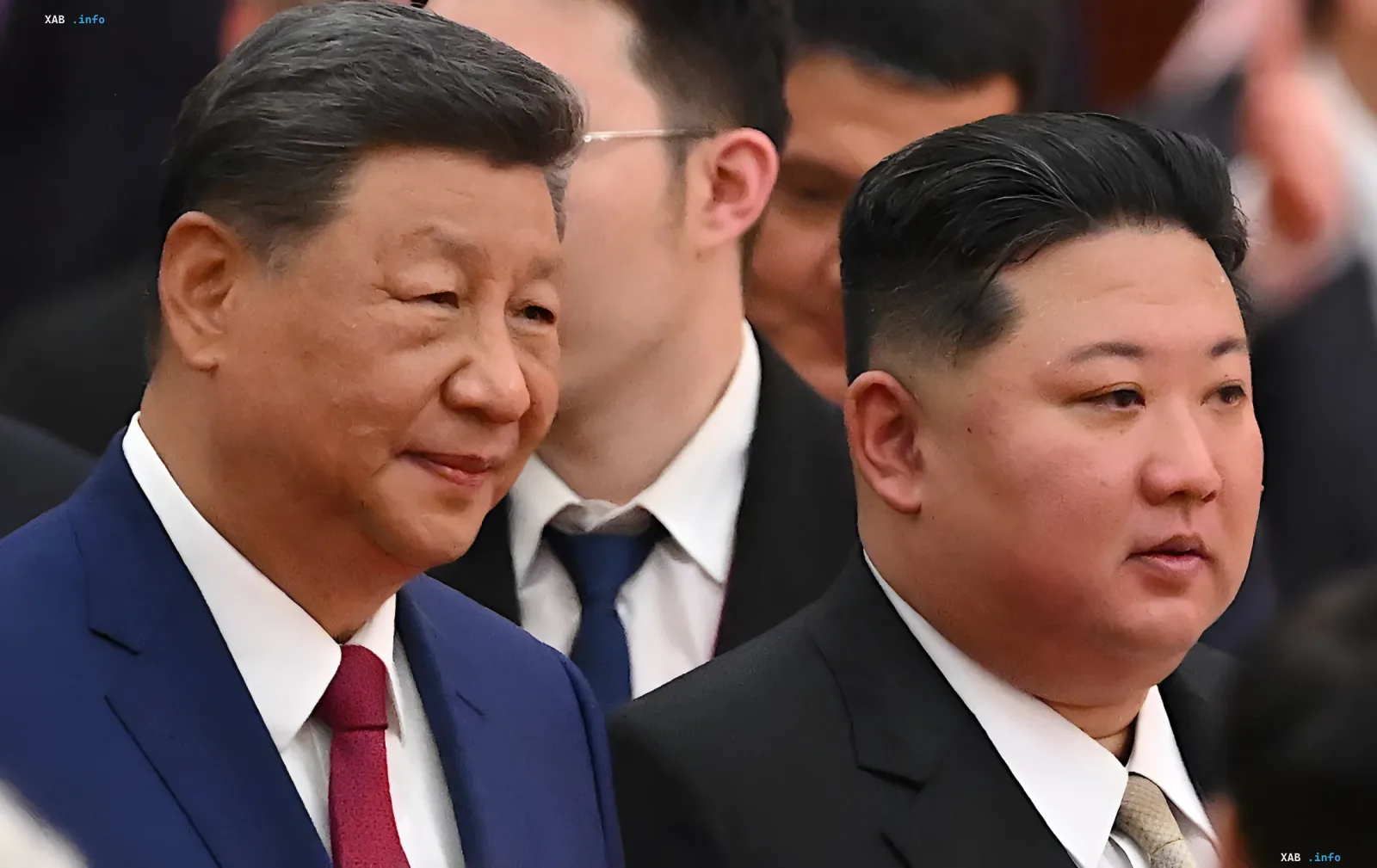
A geopolitical drama is unfolding in Pyongyang, witnessed by the world. Chinese leader Xi Jinping made an official visit to North Korea, becoming the first Chinese head of state to visit the country since 2019. However, this move is not just a diplomatic ritual. It is Beijing's response to Pyongyang's rapid rapprochement with Moscow and an attempt to regain lost ground in the region.
Urgent Visit and Beijing's Anxiety
Analysts' expectations were not met: the visit, which was planned for July 11 — marking the 65th anniversary of the Treaty of Friendship between the PRC and the DPRK — took place a month earlier. This haste, according to experts, indicates serious concern in Beijing. Russia and the DPRK are actively developing trade and military ties, and China fears that its influence over the North Korean regime is waning.
Professor Chu Jae-woo from Kyung Hee University emphasizes: "Kim has been very actively seeking to improve his relations with Russia over the past few years, and China clearly feels it is falling behind." Xi Jinping arrived in Pyongyang to confirm the status of the main partner and prevent the DPRK from completely moving into the Kremlin's orbit.
"Indestructible Friendship" and Economic Impetus
The state newspaper of North Korea, "Rodong Sinmun," published a letter from Xi Jinping, in which he stated: "Regardless of how times change or the international situation develops, the traditional friendship between China and North Korea remains indestructible, strong, and constantly radiates vitality".
These words are backed by actions. Over the past two years, the DPRK's GDP has grown by 3%, largely due to Beijing's permission for large-scale exports across the border. Chinese tourists have begun to visit Kim Jong Un's resorts in large numbers, spending significant sums there. This is not only economic support but also a demonstration of loyalty.
Striving for International Recognition
Kim Jong Un sees China and Russia as the key to breaking out of international isolation. According to Professor Chu, the North Korean leader wants to become a full-fledged member of multilateral programs, such as the Shanghai Cooperation Organization (SCO) and the BRICS Alliance. Participation in these organizations will allow Pyongyang to gain the status and recognition it lacks.
China and Russia can become a bridge for Kim to the Global South, opening up new opportunities for diplomacy and trade. This is especially important given that Western sanctions continue to pressure the regime.
Global Subtext and Challenge to the US
Xi Jinping's visit also has a global subtext. Former politician Kim Sang-woo believes that China wants to present itself as one of the two world leaders, which is a direct challenge to the United States. Xi Jinping seeks to prove that China is the hegemon of the Indo-Pacific region, hinting that the reliability of the US for allies is diminishing.
This message is addressed to South Korea, Japan, India, and Australia — countries that have traditionally relied on American protection. At the same time, Pyongyang benefits: Kim shows the world that China is providing 100% support, which strengthens the position of the North Korean regime.
Nuclear Program and Constitutional Changes
Kim Jong Un is actively advancing and strengthening his nuclear program. The DPRK has stated that it will never give up its status as a nuclear power. The IAEA reported increased activity at North Korea's nuclear facilities. Furthermore, the DPRK made changes to its constitution, which provide for an automatic nuclear strike in the event of the country's leader's death due to a foreign state attack.
Xi Jinping is ready to intervene precisely now. He sees that Russia's attempts to seize more Ukrainian territory are becoming less successful. China wants to be sure that Pyongyang will remain in its sphere of influence, regardless of the outcome of the war in Europe.
Xi Jinping's visit to Pyongyang is not just a diplomatic gesture. It is a strategic move aimed at maintaining the balance of power in the region and strengthening China's position as a global player. For Kim Jong Un, this is a chance to gain the support of two world powers and break out of isolation. For Beijing, it is an opportunity to prevent Russia's strengthening in the region and maintain control over the North Korean regime.


