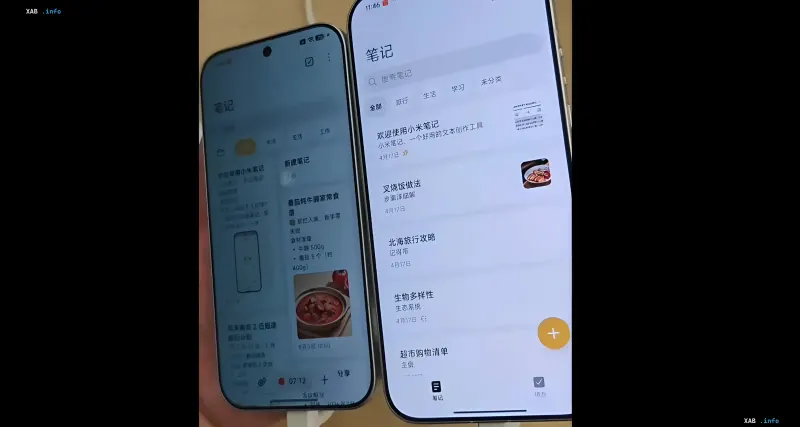
In the autumn of 2026, the tech market actively discussed the new flagship smartphone, the Xiaomi 18 Pro. According to recent data from reputable insider Ice Universe, the screen of the long-awaited novelty demonstrated lower brightness and image clarity compared to the previous Xiaomi 17 Ultra model. Such a technological decision surprised industry experts and regular users who are accustomed to an annual increase in quality characteristics in high-end mobile devices.
Hardware Display Features and Privacy Technology
The main reason for the decreased brightness and poorer content visibility was the introduction of a special hardware privacy technology designed to protect the owner's personal data from prying eyes in public places. Insider tests showed that even with the privacy mode completely disabled, the Xiaomi 18 Pro display lags behind its predecessor in readability from various viewing angles. This approach demonstrates the company's commitment to safety innovations, but in practice, it results in a noticeable compromise for visual comfort.
Contradictory Data
While independent experts and insiders record deteriorating screen parameters when viewed at an angle, the manufacturer positions the implemented system as a breakthrough in user safety and personal data protection. A number of marketing materials emphasize the revolutionary nature of hardware privacy tools, but technical reviews and comparative tests with the Xiaomi 17 Ultra show the opposite: users may face difficulties during everyday smartphone use in bright sunlight or when tilting the device away from a direct line of sight.
Expert Analysis and Market Prospects
The modern mobile device market is built on fierce competition, where screen brightness and viewing angles traditionally act as key factors when choosing a flagship gadget. Manufacturers have to strike a balance between ensuring maximum data security and maintaining an impeccable user experience. The situation with Xiaomi 18 Pro poses difficult tasks for engineers to refine software and find new optical solutions capable of eliminating identified flaws without compromising privacy.