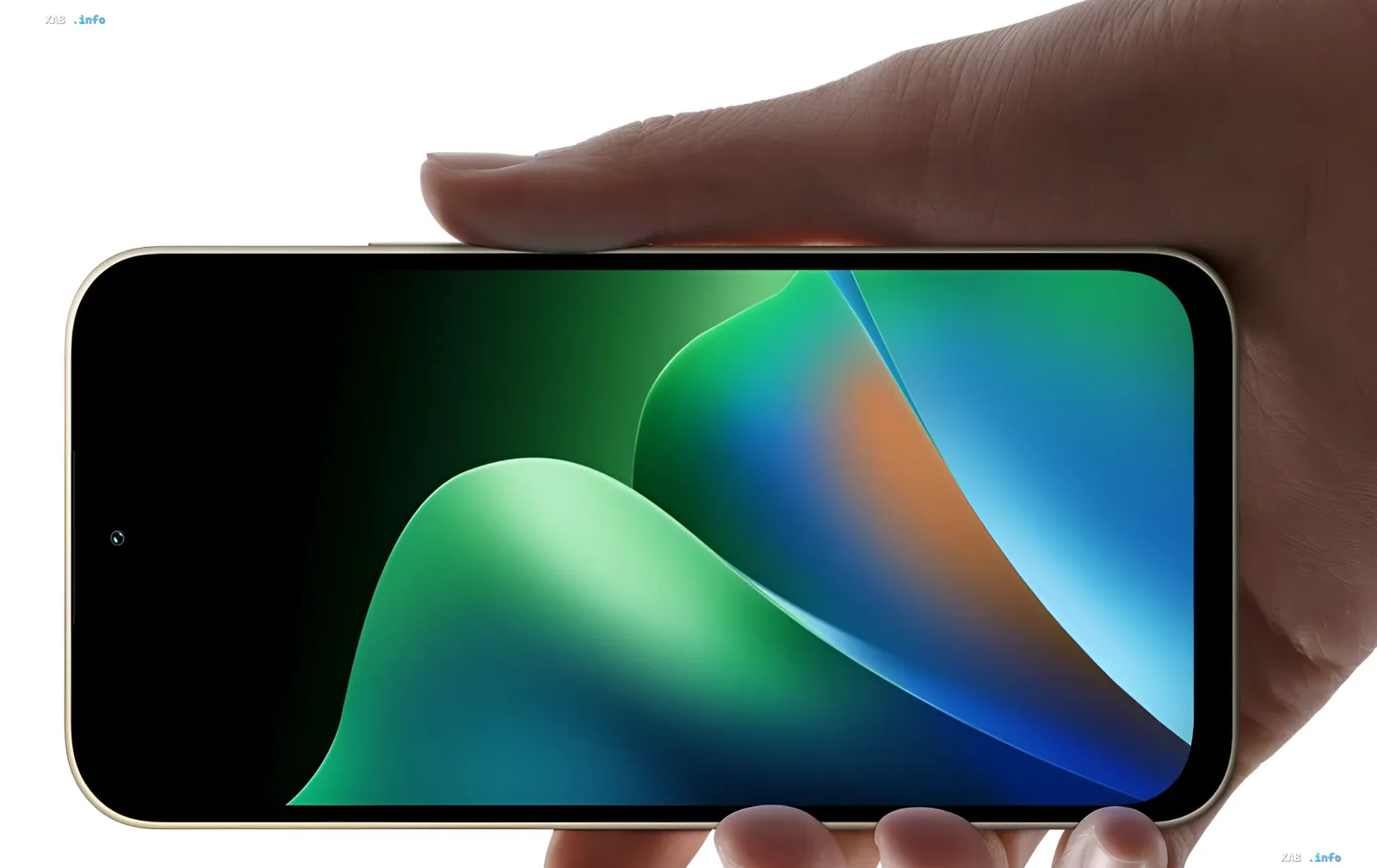
Amid the global race for artificial intelligence and ultra-fast processors, Chinese giant Xiaomi has chosen a different path to expand its budget segment. In August 2026, the company introduced the new Redmi 17 smartphone to the European market. The device is already available for purchase, beating the official presentation, and is positioned as a "people's flagship" with a focus on battery life. The starting price of €219 makes it one of the most affordable solutions with a large-format screen and a giant battery.
Record battery and next-generation design
The main trump card of the Redmi 17 is its 7500 mAh battery. This is an unprecedented figure for smartphones in this price segment, allowing the device to run for several days without charging during moderate use. The manufacturer managed to fit this bulky power source into the body while maintaining acceptable dimensions, thanks to the optimization of internal components. The smartphone's screen has also been increased in size, which, combined with the bright "Oak Green" color, makes the device visually attractive. Users note that it is precisely the design and promised battery life that became the main sales drivers in the first days of release.
Technical compromises: 4G and outdated platform
However, record battery life and low price come at the cost of reduced performance. The Redmi 17 is based on the MediaTek Helio G91 Ultra processor. Despite the "Ultra" suffix, this is a solution aimed at the budget segment and it does not support the 5G communication standard. The smartphone is limited to 4G networks, which in 2026 is already a significant drawback for many users expecting high-speed mobile internet. Furthermore, the use of a hybrid SIM card slot forces users to choose between a second SIM card and a microSD memory card, reducing the versatility of the device.
Modest memory and screen resolution
The base configuration of the Redmi 17 offers only 4 GB of LPDDR4X RAM and 128 GB of eMMC internal storage. Experts warn that the amount of RAM will be the main "bottleneck" in daily use, especially when launching heavy applications or games. The display resolution also raises questions: the matrix has a resolution of 1600 x 720 pixels, which looks archaic for 2026. The peak brightness of the screen is limited to 825 nits, which is sufficient for indoor use but may be problematic under direct sunlight. The camera system is represented by a single 50 MP main sensor, without additional modules for wide-angle or macro photography.
Contradictory data
An ambiguous situation has arisen around the launch of the Redmi 17. On the one hand, European retailers have already started selling the model with the Helio G91 Ultra processor and 4G support only. On the other hand, leaks and preliminary specifications published by Indian and Pakistani sources indicate the existence of a Redmi 17 5G version with more powerful hardware. For now, only the 4G version is available in Europe, and the release date of the full-fledged 5G model remains unclear. This creates confusion among buyers who might expect a more advanced version for the same price.
Conclusion: who is this smartphone for?
The Redmi 17 is a device with a clear target audience. It is ideal for those looking for a phone for basic tasks: calls, messengers, social networks, and video viewing, for whom battery life is critical. For gamers, tech enthusiasts, and those who need 5G, this smartphone is not suitable. Xiaomi has bet on battery capacity and low price, sacrificing performance and modern communication standards. In terms of saving €219, it is a reasonable choice, but it is important to understand the device's limitations before purchasing.