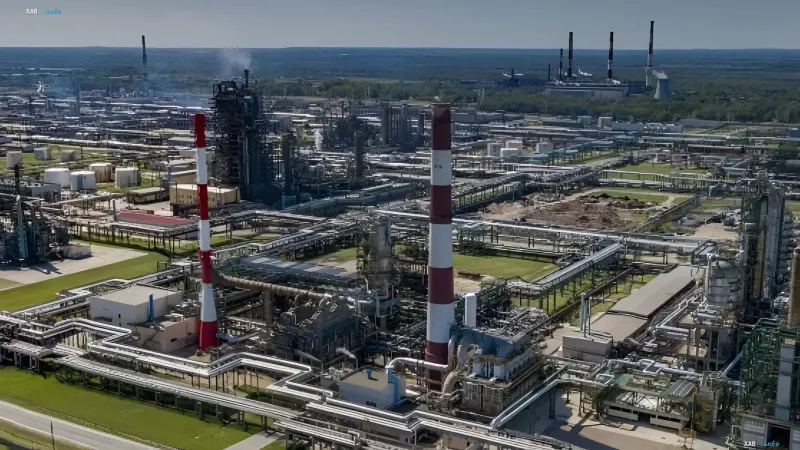
On the morning of July 16, 2026, Ukrainian long-range attack drones carried out a successful raid on the city of Yaroslavl, targeting the "Slavneft-YANOS" oil refinery. According to specialized OSINT researchers and local media, one of the kamikaze drones exploded directly on the industrial site, hitting the primary oil processing unit. Before the explosion, an air raid siren was sounding in the area of the enterprise, and chaotic small-arms fire was heard.
Critical Blow to Russian Logistics
The strike on the Yaroslavl Refinery is of critical importance for Russian military logistics: this facility (with an annual capacity of 15 million tons of raw materials) remained the last of four key refineries that reliably supplied the Moscow region with aviation kerosene, diesel fuel, and gasoline. Previously, as a result of systematic attacks by the Armed Forces of Ukraine, the Moscow (Kapotnya), Ryazan, and Nizhny Novgorod oil refineries were partially or completely put out of action. The successful flight of drones over 900 km deep into Russian territory demonstrated the vulnerability of air defense systems concentrated to protect the capital.
Consequences for the Fuel Market
Experts predict a severe fuel shortage in the Central Federal District of Russia and disruptions in refueling civilian and military aircraft at Sheremetyevo and Domodedovo airports. To prevent a fuel collapse in the domestic market, the Kremlin has already begun large-scale emergency purchases of gasoline and diesel in Belarus. It is expected that the shutdown of the Yaroslavl Refinery will cause a sharp spike in wholesale fuel prices and force the Russian government to extend the strict ban on exporting oil products abroad.