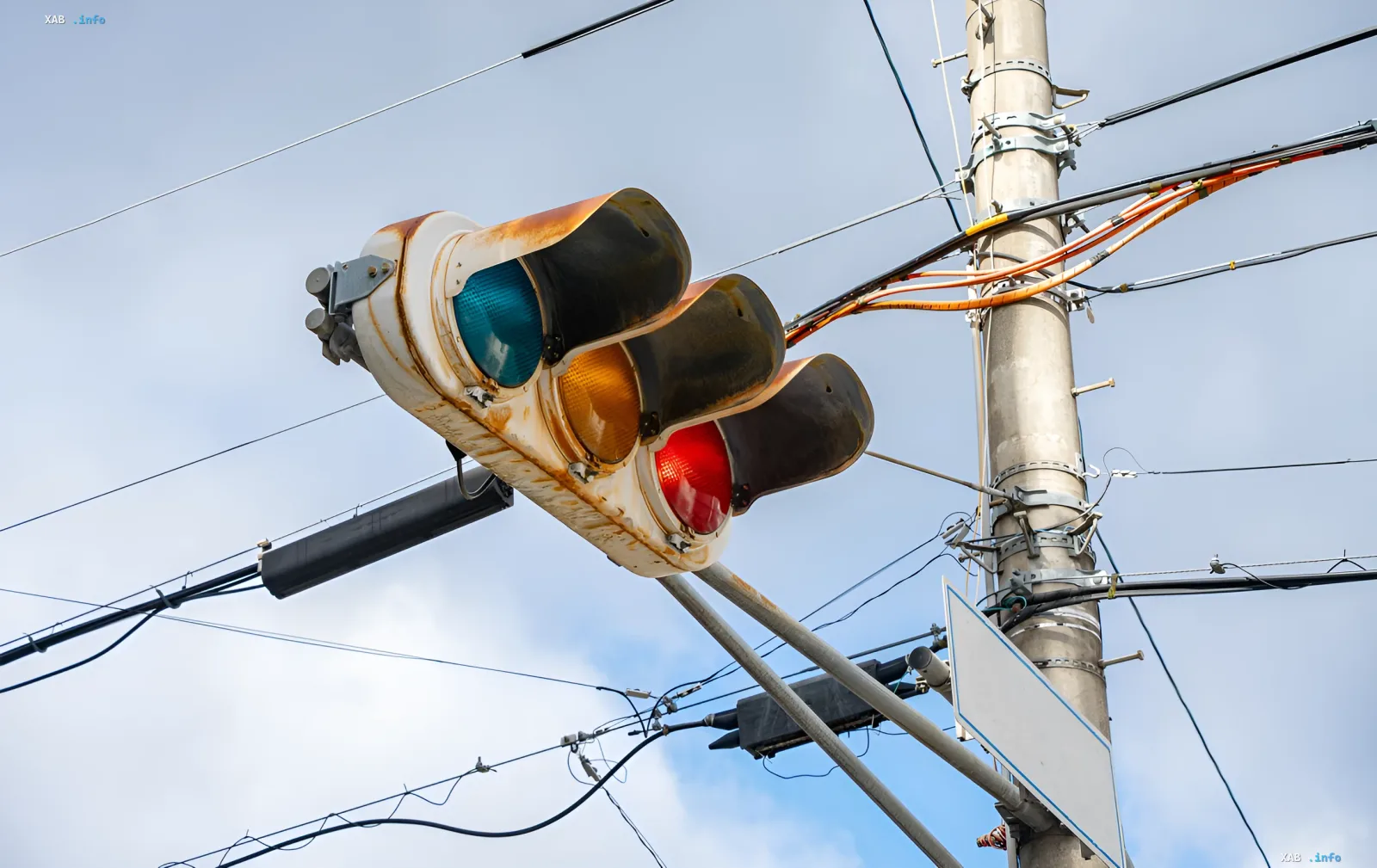
For many drivers, the activation of a yellow traffic light signal becomes a moment of indecision. Some instinctively hit the brakes, while others try to rush through the intersection. However, the Rules of the Road (RoR) provide a clear answer: the yellow signal is neither a universal permission nor a prohibition. The key factor becomes the physical possibility of stopping the vehicle.
Yellow Signal: A Prohibition with One Exception
According to section 8.7.3 of the RoR, the yellow traffic light signal performs the function of prohibiting movement and warning of an imminent change in the traffic light mode. This is a basic rule known to all road users. However, the legislation provides a critically important exception, stipulated in section 8.11.
A driver has the legal right to continue moving on a yellow signal if, at the moment it is activated, they are unable to stop the vehicle before the stop line, sign 5.62, or the traffic light itself without applying emergency braking.
Safety Factor: Why You Cannot Brake Suddenly
The essence of this exception lies in safety. The rule primarily protects road users from accident situations. If a vehicle is in close proximity to the intersection, a sudden press of the brake pedal can lead to loss of control, skidding, or a collision with the car behind.
In such cases, continuing to move is considered the only correct solution. The law prioritizes the prevention of traffic accidents over the formal observance of a prohibition if its fulfillment creates a threat to life and health.
Prohibition on Acceleration and "Racing" the Light
It is important to understand that the existence of an exception does not grant carte blanche for violations. The yellow signal categorically does not give the right to speed up in order to cross the intersection before the red light turns on.
If the driver had a real opportunity to stop safely without resorting to emergency measures, they are obliged to do so. The decision to proceed depends not on the desire to "sneak through," but on the specific road situation and the condition of the vehicle.
The Myth of the "Hazard Lights" as a Pass
In the context of compliance with the rules, it is worth mentioning a common misconception about hazard lights. Previously, RBK-Ukraine clarified that turning on the "hazard lights" does not cancel prohibitions on stopping.
This signal only warns other drivers of danger or a forced stop. It does not give the right to stop in prohibited zones: on pedestrian crossings, at intersections, at public transport stops, and in other places where parking is restricted by the rules.


