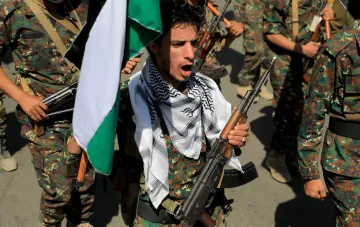
The conflict surrounding Yemen is heating up again: against the backdrop of fierce fighting in the provinces of Marib and Al-Jawf, the Saudi-led coalition reported a series of interceptions of ballistic missiles and drones that were reportedly launched by the Houthis toward the kingdom. According to estimates by the International Organization for Migration (IOM), since August of this year, more than 340,000 Yemenis have been forced to flee their homes due to hostilities, making the humanitarian crisis no less acute than the military one.
Interception of Missiles and Drones over Saudi Arabia
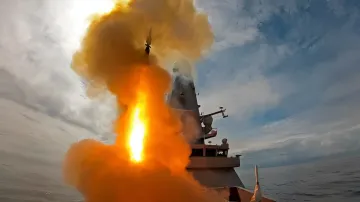
As coalition spokesman Turki al-Maliki stated in an early Sunday post on the social network X, air defense systems "intercepted and destroyed two ballistic missiles launched by the Houthi terrorist militia in the direction of Riyadh." According to him, on the same day, coalition forces shot down three drones in the eastern region of Saudi Arabia. Earlier on Saturday, al-Maliki reported the interception and destruction of two drones, presumably Houthi, in the Riyadh area and in the south of the kingdom. Thus, over two days, the coalition has recorded the interception of two missiles and five drones targeting various parts of the country.
Houthis Claim Coalition Aircraft Shot Down
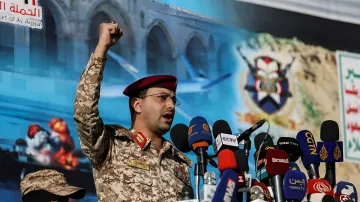
In response, the Ansar Allah armed group (the Houthis) claimed to have hit a coalition air target. Houthi military spokesman Yahya Sarea stated that the group "repelled a number of Saudi military formations using several locally made anti-aircraft missiles" and claimed that the Houthis shot down a Saudi coalition reconnaissance aircraft which they said was carrying out "hostile operations in the airspace of Al-Jawf." According to Sarea's statement, this is the fifth aircraft shot down since the beginning of the escalation. The coalition has not confirmed the loss of its aircraft, limiting itself to reports of intercepting missiles and drones.
Fighting in Marib and Al-Jawf
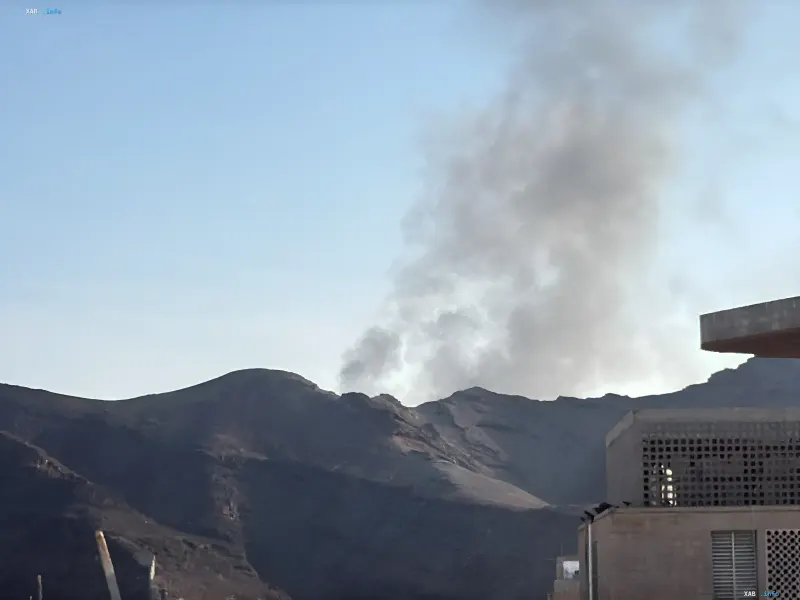
The ground front also remains tense. Yemeni army spokesman Colonel Majid al-Nuzaili reported the advance of government forces against the Houthis during heavy fighting in the Al-Hazm and Madghal areas of Al-Jawf province amid intensifying fighting in Marib. According to him, in 723 pinpoint operations in the provinces of Taiz, Lahij, Marib, and Al-Jawf, 321 Houthi leaders were killed or wounded, and 117 military vehicles were destroyed; the coalition, he said, carried out at least 37 airstrikes, 56 drone strikes, and 541 artillery shells. Houthi representative Sarea, in turn, estimates the number of coalition airstrikes over the past 24 hours at 72 in the provinces of Saada, Taiz, Lahij, and Al-Jawf, and claims that the Houthis struck coalition forces with ballistic missiles in the Haraz area of Lahij province. Houthi-controlled media report that two women and two children were wounded as a result of artillery shelling of residential neighborhoods in the Shaoub district of Sanaa.
Humanitarian Consequences and US Reaction
The humanitarian crisis continues to mount: according to the IOM, since August, more than 340,000 people have been displaced due to fighting in Yemen. Amid the escalation, the US Embassy in Riyadh issued a nationwide security warning on Saturday, urging Americans in the kingdom to exercise "heightened vigilance" due to the increased threat of Houthi attacks. The embassy stressed that Houthi strikes on airports and other critical Saudi infrastructure have "resulted in civilian casualties and severe travel disruptions," warning that hostilities could spread "rapidly" and urging "extreme caution" when using the kingdom's airports.
History of Attacks on Kingdom Infrastructure
According to Saudi authorities, since September 23, at least 26 people have been killed in Saudi Arabia as a result of suspected Houthi drone and missile attacks. The Houthis have repeatedly attacked King Khalid International Airport in Riyadh, as well as the East-West oil pipeline and oil infrastructure in the east and south of the kingdom. The combination of these factors—interceptions over Saudi Arabia, ground fighting in Yemen, a growing number of displaced persons, and warnings for foreign nationals—indicates that the conflict has entered one of its most acute phases since the start of the current escalation.