
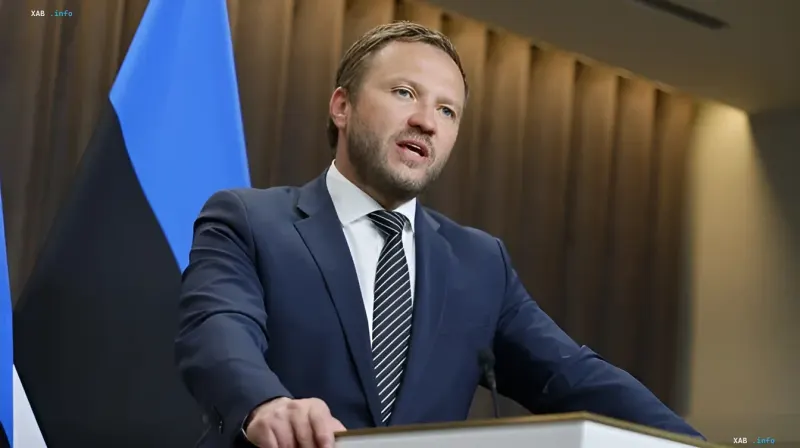
On June 2, 2026, the Foreign Ministers of Estonia and Lithuania, Margus Zahkna and Kęstutis Budris, made stern statements calling for the complete isolation of Russia and the confiscation of its frozen assets. The trigger for this sharp rhetoric was another massive combined strike launched by Russia against Ukrainian territory.
Demand for Full Confiscation
The Foreign Ministers of the Baltic states, who traditionally hold the toughest stance within the EU and NATO, insist that the policy of appeasing the aggressor yields no results. In their view, hybrid threats from Moscow are already directly affecting regional security.
The key demand from Vilnius and Tallinn is to transfer the frozen assets of the Central Bank of the Russian Federation to support the Armed Forces of Ukraine. Kęstutis Budris called for a final abandonment of illusions about the possibility of returning to 'business as usual' relations with Russia after the war ends. He emphasized the necessity of full confiscation of funds to compensate for the damage inflicted on Ukraine.
Estonia's Position: Isolation as the Only Way
Margus Zahkna stated that only 'uncompromising pressure and complete international isolation' can force the Kremlin to seek peace. The Estonian Foreign Minister pointed to a dangerous dynamic of perception: any delay by the West or softening of the sanctions regime is interpreted by Moscow as weakness and an 'invitation for the next strike'.
Previously, Zahkna harshly criticized discussions within the European Union regarding possible mediators for dialogue with Vladimir Putin, labeling any backroom negotiations as a mistake.
Diplomatic Escalation in the Region
Amidst statements calling for increased pressure, tension in the diplomatic sphere of the Baltic region continues to rise. Recently, the Baltic states delivered notes of protest to Russian diplomats. The trigger was Moscow's claims that Ukraine is allegedly using the airspace of NATO countries to launch drones against targets within Russian territory. In Tallinn and Vilnius, these accusations were dismissed as disinformation.


