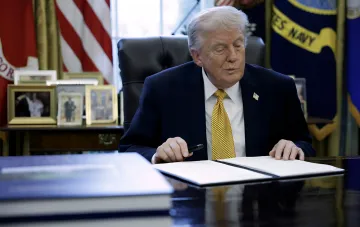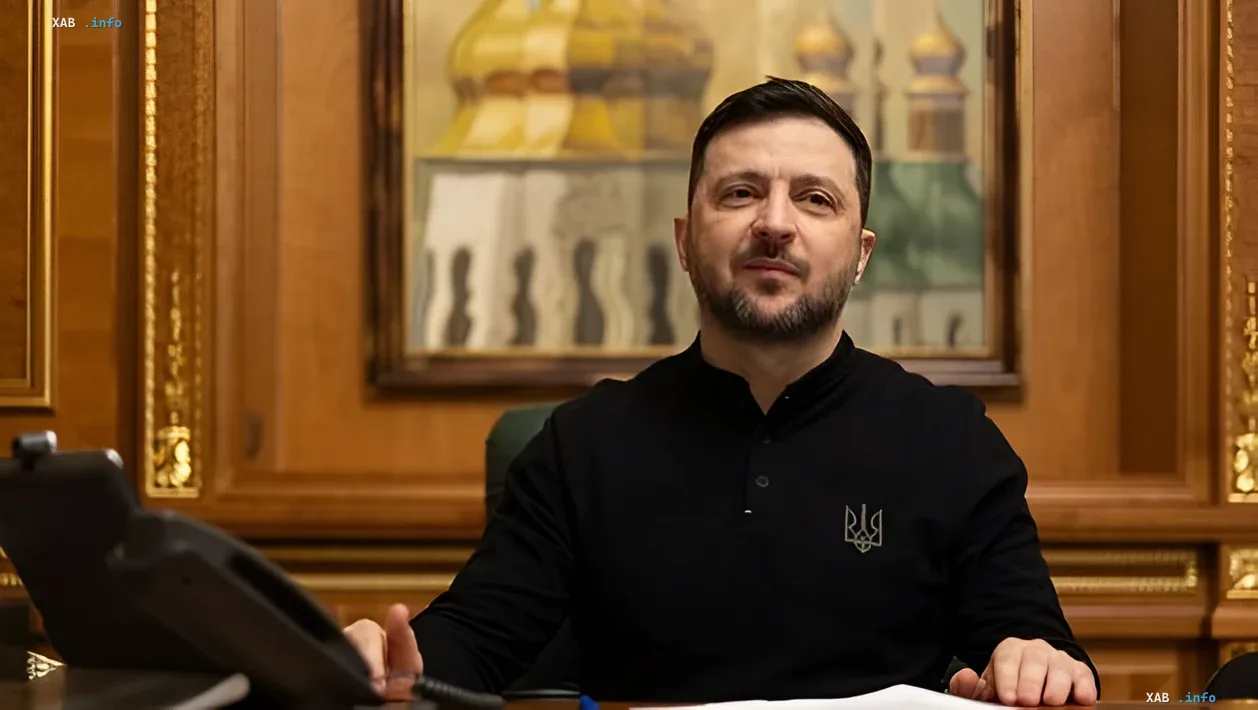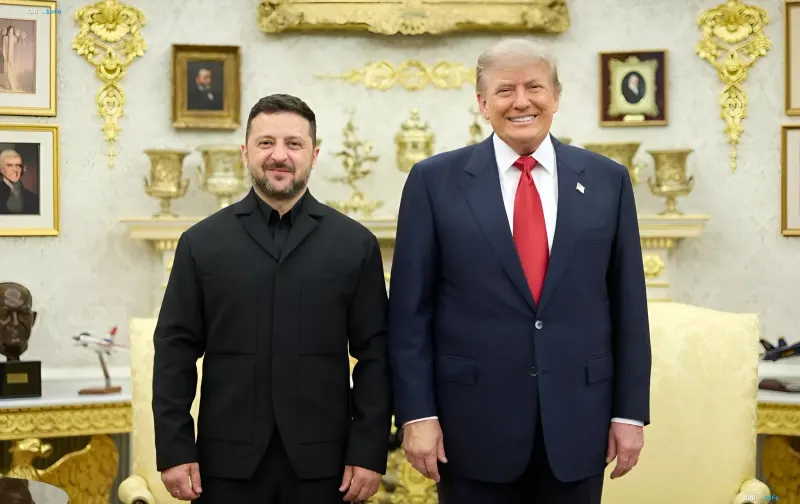
A key meeting between the leaders of the two countries took place in Washington: Ukrainian President Volodymyr Zelensky met with US President Donald Trump. The main topic of the dialogue was the critical situation with air defense systems and the need for urgent assistance to protect Ukrainian infrastructure ahead of winter.
Urgent request for missile delivery
In an interview with Axios, Volodymyr Zelensky voiced a specific request addressed to the American leader. Kyiv is requesting an emergency "winter package" of interceptor missiles for Patriot surface-to-air missile systems. According to the Ukrainian president, current ammunition stocks for air defense are practically exhausted. Without additional supplies, the country loses the ability to effectively repel ballistic missile attacks, which has already been confirmed during recent strikes on Kyiv.
Kyiv's goal is to form a fund of 300 interceptor missiles by the start of the heating season. Zelensky warned that if the problem is not resolved before winter, Russian attacks could deliver a fatal blow to energy infrastructure. The destruction of power plants would lead to the disconnection of heating for millions of citizens and trigger a large-scale humanitarian crisis.
Scale of the threat and production realities
The Ukrainian leadership cites alarming statistics on enemy activity. Russia uses between 30 and 40 ballistic missiles during a single major strike. Such attacks occur three to five times a month, creating a colossal load on defense systems.
However, the solution to the problem cannot be instantaneous. Zelensky emphasized that even after Ukraine receives the corresponding licenses from the US, the process of producing a large number of interceptor missiles will take from one to five years. This is why the question of urgent delivery of ready-made ammunition becomes a matter of survival.
Context of the visit and reaction in the US
Volodymyr Zelensky's visit to Washington, which took place on July 28, became an occasion to discuss not only military supplies but also the activation of the negotiation process. The leaders discussed the prospects for producing interceptors for Patriot SAMs and other aspects of bilateral cooperation.
Against the backdrop of these events, pressure on Moscow and Tehran also intensified in the US Congress. Yesterday, the US Senate, in a procedural vote, supported a bill to tighten sanctions against Russia and Iran. The initiative, one of the authors of which was Republican Senator Lindsey Graham, was supported by legislators, indicating the preservation of a tough line towards aggressor countries.