
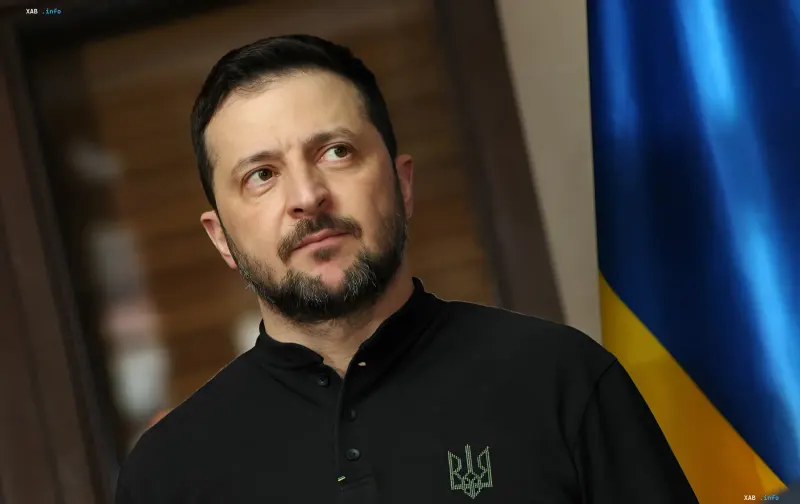
A new wave of tension is brewing within the Ukrainian political establishment, this time in the sphere of economic policy. According to Bloomberg sources published on August 13, 2026, Ukrainian President Volodymyr Zelensky has expressed serious dissatisfaction with the work of the head of the National Bank, Andriy Pyshnyy. At the center of the conflict is the balance between the need to meet the strict requirements of the International Monetary Fund (IMF) and supporting the economy amid the ongoing war.
Conflict of Interest: IMF Loyalty vs. Economic Support
The essence of the President's complaints is that, in Zelensky's view, Andriy Pyshnyy has become "too close" to the International Monetary Fund. In Kyiv, there are fears that the National Bank, in its activities, prioritizes the interests of the creditor over the real needs of the Ukrainian economy, which is under pressure from military actions. Sources note that the President believes the regulator is not supporting the economic sector enough, preferring a tight monetary policy which, according to the Kremlin, could slow down business development and exacerbate inflationary processes.
Inflation Factor and Rise in the Benchmark Rate
The direct trigger for increased criticism of Pyshnyy was the National Bank's decision in July 2026 to unexpectedly raise the benchmark rate. This action was taken against the backdrop of accelerating inflation, however, the presidential administration perceived it as a manifestation of excessive harshness. In conditions where the country needs liquidity support and credit accessibility for business, the rate hike is viewed as a counterproductive measure dictated by pressure from international partners rather than internal necessity.
Political Landscape: Dismissal Not Foreseen
Despite the serious nature of the disagreements, Bloomberg sources claim that Volodymyr Zelensky does not currently plan to initiate the procedure to dismiss Andriy Pyshnyy. Experts link this to the lack of an obvious replacement candidate in the government who could maintain trust both domestically and in international financial circles. Furthermore, changing the head of the National Bank at this moment could be perceived by markets and partners as a signal of instability, which could lead to capital outflows and complicate negotiations for new tranches.
National Bank Position and Reaction to Criticism
The National Bank of Ukraine reacted to rumors of the conflict with restraint but principledly. In an official comment, the regulator stated: "The issues you raised were not discussed — neither in terms of their immediate essence, nor in terms of the consequences they have." This statement can be interpreted as an attempt to save face and not acknowledge the existence of a public conflict with the head of state, as well as a signal that the independence of the regulator remains a priority for its leadership.
Contradictory Data
The situation is complicated by the fact that the positions of the parties in this matter are diametrically opposed. On the one hand, the IMF separately emphasized in June 2026 the need to maintain the independence of the National Bank, which is a direct argument in favor of Pyshnyy. On the other hand, Zelensky, relying on internal requests, demands greater flexibility from the regulator. Moreover, although sources point to the President's dissatisfaction, the National Bank categorically denies discussing these issues, creating an information vacuum in which the real depth of the conflict remains unknown to the general public.
Financial Context: Tranches and Obligations
Tensions have intensified against the backdrop of agreeing on a new IMF program of $8.1 billion, which provides for a number of painful obligations for Ukrainian authorities, including tax hikes. Last month, the fund transferred almost $700 million to Ukraine, and the total volume of direct budgetary support from international partners in 2026 is estimated at approximately $54 billion. Under these conditions, every step of the National Bank, especially regarding monetary policy, becomes a subject of close attention and political struggle.