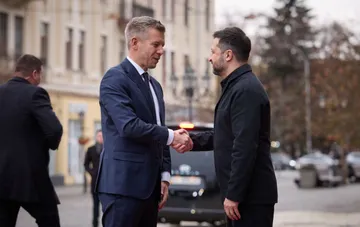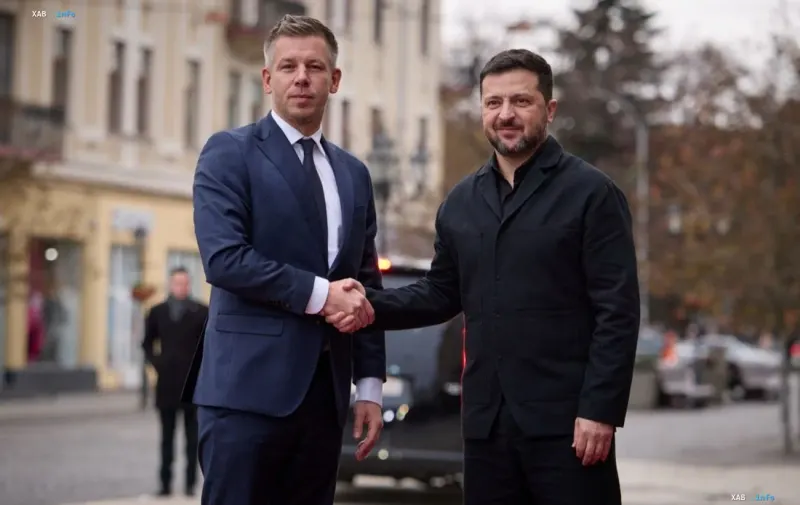
On November 24, 2026, Ukrainian President Volodymyr Zelenskyy held a meeting with Hungarian Prime Minister Péter Magyar in the Zakarpattia region. This event marked a significant diplomatic milestone, as it was the first visit by a Hungarian head of government to Ukraine in the last decade. The primary focus of the talks was on deepening bilateral relations, strengthening economic ties, and addressing regional security concerns.
Bilateral Negotiation Agenda
During the official portion of the meeting, the sides discussed a wide range of topics, including logistics, tourism, and cultural exchanges. President Zelenskyy emphasized the need to expand interaction between government institutions and the private sectors of both nations. In particular, they discussed a so-called "eight" of initiatives, which the President believes could provide a substantial boost to the business climate between Ukraine and Hungary.
Prospects of a Visit to Budapest
The possibility of a visit by the Ukrainian leader to Budapest was a subject of discussion during the joint press conference. Volodymyr Zelenskyy noted that considering such a trip depends directly on an invitation from the Hungarian side. In response to this statement, Péter Magyar officially invited the President of Ukraine to visit the Hungarian capital, adding that it would be possible should the head of state's schedule permit.
Informal Interaction and Strengthening Ties
Beyond the formal talks, the visit included informal interaction. The leaders visited the Lajos Kossuth Hungarian Lyceum in Berehove, where they spoke with students and participated in a friendly volleyball match. It was in the context of this event that Zelenskyy jokingly mentioned that a return visit was necessary to seek a "rematch" in the sporting competition, which was viewed as a symbol of open dialogue.
Significance of the Meeting for Regional Stability
The meeting between Zelenskyy and Magyar demonstrates a desire by both Kyiv and Budapest to find common ground, despite the complex geopolitical context of recent years. Strengthening economic and humanitarian initiatives could form the foundation for a long-term partnership. It is expected that the parties will soon move to the practical implementation of the projects discussed, which will allow for stronger cross-border cooperation and higher levels of mutual understanding between the neighboring states.