
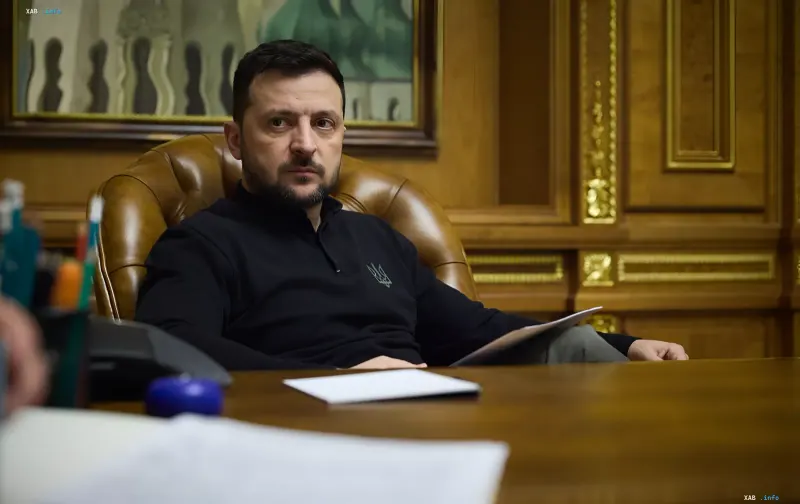
On the sidelines of the NATO summit in Ankara, an important bilateral meeting took place between the leaders of Ukraine and Poland — Volodymyr Zelenskyy and Karol Nawrocki. According to the Ukrainian president, the dialogue was long and constructive, covering key areas of interaction: security, economy, and sensitive historical issues.
A common enemy — the foundation of a strategic alliance
The central element of the conversation was the topic of security. Zelenskyy emphasized that both countries recognize the presence of a single threatening factor — Russia. "We understand that here we have one enemy, and that is Russia," he told journalists after the meeting. This thesis became not just a rhetorical accent, but the foundation for further cooperation within NATO and bilateral relations.
Economy as a tool for recovery
Special attention was paid to economic cooperation. Zelenskyy recalled the successful conference on the reconstruction of Ukraine held in Gdańsk, where Polish business showed active interest in investing in Ukrainian infrastructure and industry. He emphasized Kyiv's openness to partnership with Warsaw: "Ukraine is open to its Polish partners".
History — a zone of delicate dialogue
Despite progress in other areas, historical issues remained a point of tension. Zelenskyy called for constructiveness and delicacy so as not to destroy the friendly, neighborly relations between the countries. However, as Nawrocki later clarified, mutual understanding on these topics was not achieved.
The Polish president reiterated his position: Poland and Europe cannot agree with the honoring of UPA warriors, which remains a red line in the dialogue. At the same time, he emphasized that, despite historical disagreements, the dialogue must continue — after all, the countries are united by a common threat from Russia.
Balance between memory and the future
The meeting in Ankara showed how difficult it is to combine pragmatic cooperation in wartime with the need to take historical memory into account. On one hand — a united front against the aggressor, on the other — irreconcilable positions on questions of the past. It is precisely this balance that will be a test for the diplomacy of the two countries in the coming months.
As Nawrocki noted on July 8: "Despite historical disagreements, Poland and Ukraine must maintain dialogue". The meeting in Ankara confirmed this necessity — even if full agreement is currently unattainable.


